




The recent floods in Sudan have unleashed a severe public health crisis, with waterborne diseases, especially cholera, surging at an alarming rate. Over 11,000 cholera cases have been reported since June 2023, with the situation worsening as 556 new cases and 27 deaths were recorded recently. The hardest-hit areas—Khartoum, Gezira, Kordofan, and Darfur—are struggling to cope with the outbreak as contaminated water continues to spread the disease. Immediate action is needed to provide clean water and medical supplies to prevent further loss of life. Your support is crucial in combating this escalating health emergency.
Every penny counts. Donate now.
Gather your loved ones and crowdfund with us to raise funds for a cause closest to your heart.Â
As of September 2024, Sudan is grappling with one of the most severe cholera outbreaks in recent history. The cumulative death toll from the epidemic has risen to 22 deaths, with more than 700 new cholera cases reported across Kassala, El Gedaref, Khartoum, and other regions. The state of River Nile has been one of the worst affected, with 87 new cases and three deaths just recently. Atbara and Berber localities are overwhelmed, with hospital wards overflowing, as medical teams race against time to control the outbreak. Sudan’s deteriorating healthcare infrastructure, compounded by floods and ongoing conflict, has made it challenging to manage the cholera crisis.
Sudan’s history is marked by decades of conflict and unrest, and the current situation is no different. The country has been embroiled in civil wars, political instability, and ethnic clashes, leaving its healthcare system in a fragile state. The ongoing conflict in Sudan between political and military factions has severely impacted the nation’s infrastructure, including hospitals and health services. Many people have been displaced and forced to live in camps with overcrowded, unsanitary conditions, making cholera outbreaks almost inevitable. For families already suffering from the horrors of war, cholera becomes another cruel blow. Many children have lost their lives to this disease, and it’s often because they simply didn’t have access to clean water or life-saving medical care in time.
Heavy rains have caused widespread flooding, contaminating drinking water supplies with sewage and creating a breeding ground for cholera bacteria.
The war has damaged critical infrastructure, including water treatment facilities and sanitation systems. In many areas, access to clean drinking water is almost impossible.
The ongoing conflict has displaced millions of people, forcing them into overcrowded camps where clean water and sanitation facilities are lacking. These conditions have accelerated the spread of cholera.
With many hospitals destroyed or without necessary supplies, it has been challenging to treat cholera patients. Medical personnel are stretched to their limits, and humanitarian aid is slow due to dangerous conditions.
At SAPA, we are on the frontlines of this crisis, working tirelessly to provide clean water, medical care, and life-saving supplies to those in need. However, we cannot do it alone. Your donations can make a significant difference in this battle against cholera.
By supporting our “Cholera Free Sudan” campaign, you help us:
Every donation, regardless of size, contributes to creating a season filled with hope and warmth for these resilient young souls. Here are some of the best ways you can support our mission

At SAPA, we are deeply committed to addressing the urgent healthcare needs in Sudan, especially in the aftermath of recent conflicts in Khartoum. Our mission is to provide essential medical support to Sudan’s communities in need.
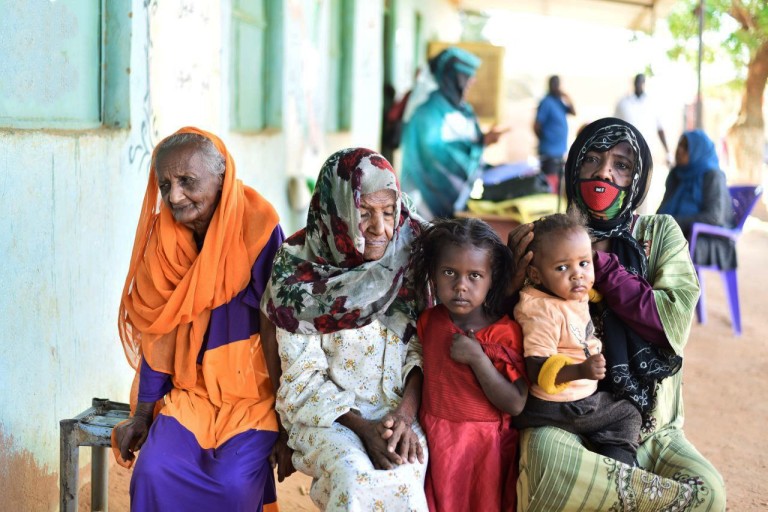
Join us in our Sudan Hunger Relief mission to provide nourishment and hope to those in need. Your support helps us feed the hungry, one meal at a time, and serves as a beacon of light in the lives of those facing food crisis.
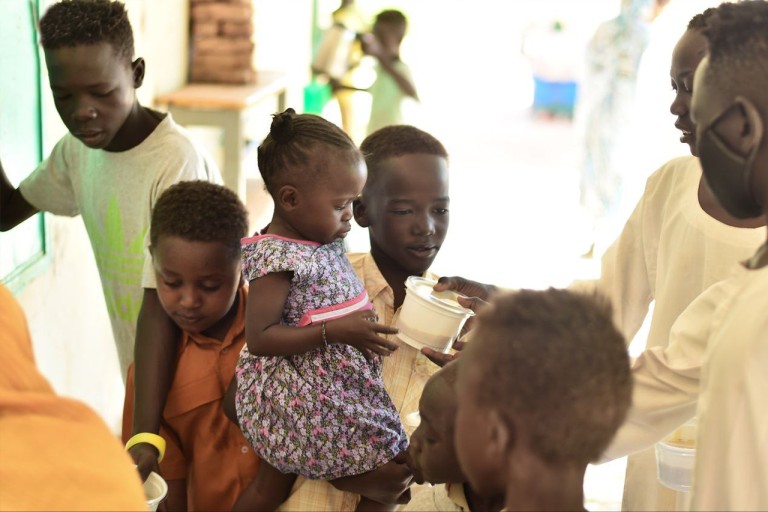
Access to clean water is a fundamental human right. Our Water for South Sudan initiatives are bringing clean, safe, and accessible water sources to communities across the nation.

SAPA has achieved the prestigious Platinum Seal of Transparency on Candid (formerly Guidestar), placing us among the top 0.1% of charities nationally.
Additionally, we proudly received a 4-star rating on Charity Navigator, a testament to our impactful work, fiscal responsibility, and transparency. Less than one-tenth of one percent of charities rated achieve this highest honor, affirming our dedication to excellence and effectiveness in serving those in need.
Cholera is a bacterial disease that spreads through contaminated water and food. It thrives in areas with poor sanitation, particularly in flood-affected or conflict-ridden regions. It cannot be spread from person to person but is transmitted through contact with contaminated water.
Symptoms of cholera include severe diarrhea, vomiting, dehydration, and muscle cramps. In severe cases, the disease can cause death within hours if left untreated.
Cholera is treated through rapid rehydration, either with oral rehydration salts (ORS) or intravenous fluids in severe cases. Antibiotics may also be administered to shorten the duration of the illness.
The combination of heavy floods damaged sanitation systems, and displaced populations living in overcrowded camps has created the perfect environment for cholera to spread. Contaminated water supplies, poor hygiene, and a lack of medical resources have exacerbated the crisis.
You can help by donating to organizations like SAPA that are on the ground, providing clean water, medical care, and public health education. You can also become a fundraiser and rally support from your community to combat this crisis.