Bahri Hospital’s Golden Days with 100,000 Outpatient Visits Annually: A Vision for Restoration
-
by
 Waleed
 - No Comments on Bahri Hospital’s Golden Days with 100,000 Outpatient Visits Annually: A Vision for Restoration
 Waleed
Once a cornerstone of Khartoum North’s healthcare system, Bahri Teaching Hospital was a beacon of service, resilience, and hope for over 1.5 million Sudanese. Before the region was ravaged by conflict, this hospital handled more than 100,000 outpatient visits, 30,000 emergency room cases, and 10,000 surgeries annually, standing as one of Sudan’s most vital public health institutions. With a 500-bed capacity, full specialty departments, advanced diagnostics, and a mission rooted in care and education, Bahri was more than a hospital; it was a lifeline.
Today, the Sudanese American Physicians Association (SAPA) is launching the Bahri Teaching Hospital Rehabilitation Project, an ambitious, urgently needed initiative to restore the hospital to its former strength.
Bahri Teaching Hospital: A Vital Healthcare Anchor
Location: Khartoum North (Bahri), Khartoum State, Sudan
Pre-conflict Role: Central referral hospital for millions across Khartoum State
Capacity & Reach:
- 500+ beds
- 350,000+ patients annually
- 100,000+ outpatient visits
- 30,000+ emergency cases
- 10,000+ surgeries
Bahri Hospital had departments for internal medicine, pediatrics, OBGYN, orthopedics, ENT, dermatology, and was fully equipped with operating rooms, imaging services (CT, ultrasound, X-ray), and specialized clinics.
It also served as a teaching and training hub for medical students, interns, and registrars, making it central not just to healthcare delivery but to the future of medicine in Sudan.
>> Related Post: Local Doctors Sustain Sudan’s Healthcare Amid War with SAPA’s Help
What Was Lost in Conflict
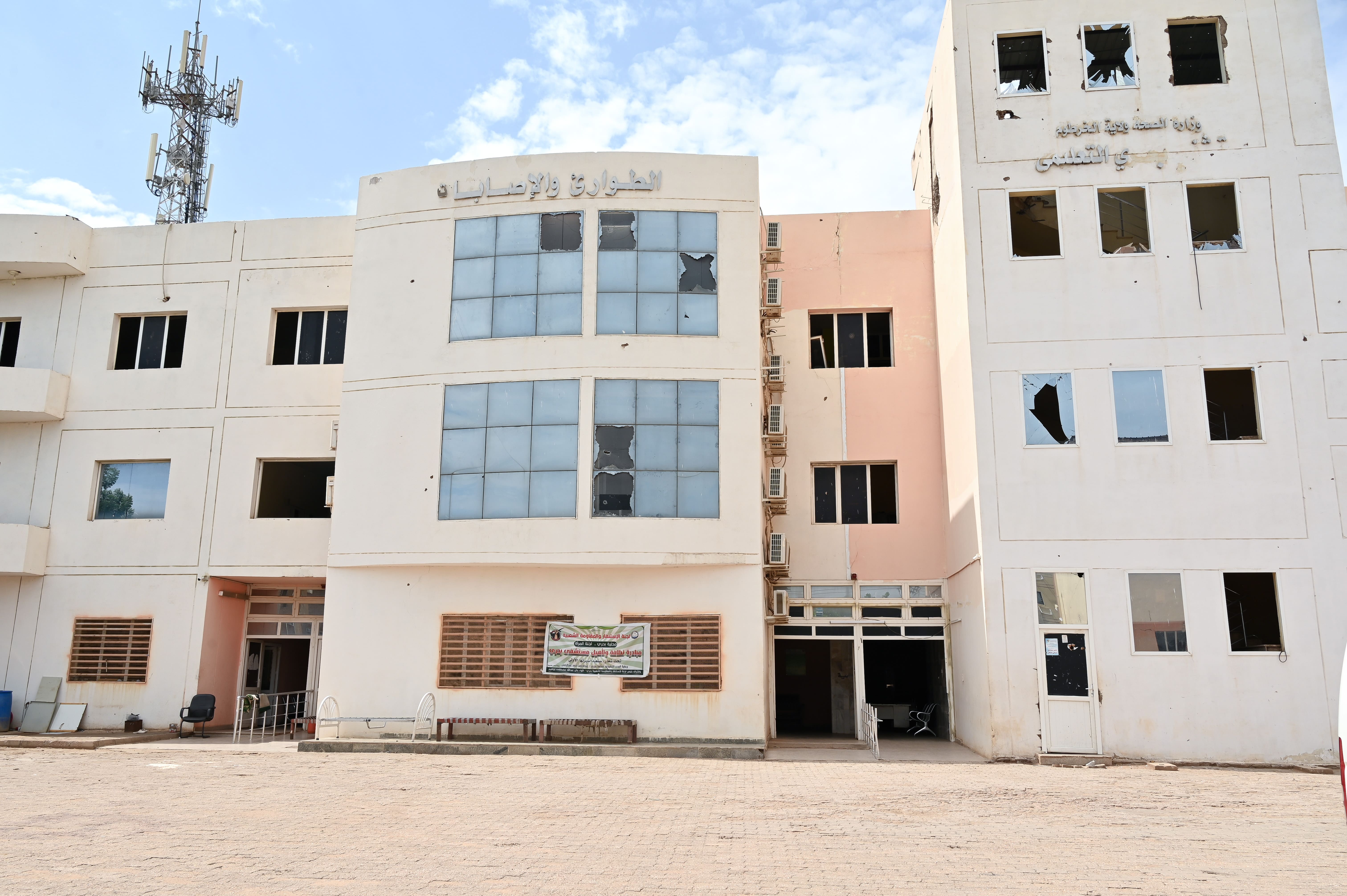
The eruption of war and subsequent infrastructure collapse forced Bahri Hospital to shut its doors. Utilities failed, equipment was damaged or looted, and entire departments became non-functional. Patients in Khartoum North were left without essential services, and the surrounding health system buckled under the pressure.
Now, with thousands of internally displaced families returning to the area, restoring Bahri Hospital is critical. SAPA’s rehabilitation initiative is not just about bricks and mortar; it’s about resurrecting trust in public healthcare, revitalizing essential services, and saving lives at scale.
>> Related Post: SAPA’s July 2025 Plan: Scaling Healthcare for Sudan’s Displaced
SAPA’s Vision: From Ruins to Revival
With an estimated budget of $2 million USD, SAPA’s project will span five months and unfold in six comprehensive phases, each aligned with local and international healthcare recovery standards.
Phase 1: Rapid Assessment & Community Mobilization
- Conduct engineering assessments
- Engage local partners and the Ministry of Health
- Establish baseline for Monitoring & Evaluation (M&E)
Phase 2: Infrastructure Rehabilitation
Targeted Sections:
- Emergency Department
- Operating Rooms
- Women and Maternity Hospital (OBGYN)
- Pediatrics and General Surgery
- Orthopedics and WASH systems
Key Activities:
- Structural repairs
- Water & power restoration
- Sanitation upgrades
- Ventilation and lighting overhauls
One of the most transformative steps includes drilling a new deep-water well, ensuring a sustainable and cost-effective water supply for hospital operations.
Phase 3: Equipment Procurement & Installation
- Surgical beds, orthopedic kits, diagnostic tools
- Incubators and maternal care equipment
- Oxygen systems and sterilization units
Phase 4: Staff Induction & IPC Protocols
- Onboard doctors, nurses, and administrators
- Train staff on infection prevention and control (IPC)
- Launch updated standard operating procedures (SOPs)
Phase 5: Service Activation
The hospital will reopen key departments, including:
- Emergency and trauma units
- Surgical and orthopedic care
- Maternity and neonatal wards
- Internal medicine, pediatrics, and diagnostics
Community outreach programs will educate residents about available services and help reintegrate patients into formal care networks.
Phase 6: Final Evaluation & Scale-Up Strategy
- Comprehensive project review and impact analysis
- Patient testimonies and success stories
- Collaboration with MoH on a long-term sustainability plan
>> Related Post: Life-Saving Care Arrives in Sudan’s War Zones via SAPA’s Mobile Clinics
Why Bahri Hospital Matters Now More Than Ever
As displaced families return to Khartoum North, demand for healthcare is growing rapidly. Local clinics cannot meet the needs of tens of thousands of patients requiring both urgent and chronic care. The absence of Bahri Hospital has already led to increased mortality, delayed surgeries, and dangerous childbirth outcomes.
Rehabilitating Bahri Hospital will:
- Restore access to essential, life-saving services
- Reduce maternal and infant mortality
- Shorten surgical wait times
- Empower returning families with healthcare security
It will also support Sudan’s next generation of physicians, restoring a vital training center that helps retain local medical talent.
How You Can Support the Mission
SAPA’s track record of high-impact humanitarian interventions in Sudan is widely recognized, but the success of this project depends on your involvement. Whether you’re part of the Sudanese diaspora, a global health advocate, or simply someone who believes in equitable access to care, you can help Bahri Hospital rise again.
Donate to help SAPA’s healthcare initiative, as your contribution will directly support infrastructure, medical equipment, and staff onboarding.
>> Related Post: Top 501(C)(3) Nonprofit Organizations to Donate to in 2026
FAQs
1. Why was Bahri Teaching Hospital so important before the war?
Bahri was a comprehensive referral hospital that served over 350,000 people annually. It had full departments for various specialties and acted as a medical education hub.
2. What specific challenges do returning populations face without Bahri Hospital?
They face delayed emergency response, lack of maternal care, untreated chronic illnesses, and high out-of-pocket costs from private clinics.
3. What makes this project sustainable in the long term?
SAPA plans to build local ownership through staff training, community outreach, and integration with the Ministry of Health’s public health system.
4. How does this project contribute to Sudan’s broader health recovery?
It sets a scalable model for hospital rehabilitation, combines infrastructure repair with workforce development, and supports training for future healthcare professionals.