SAPA Leads Bahri Hospital’s Comeback to Train the Next Generation of Doctors
 Waleed
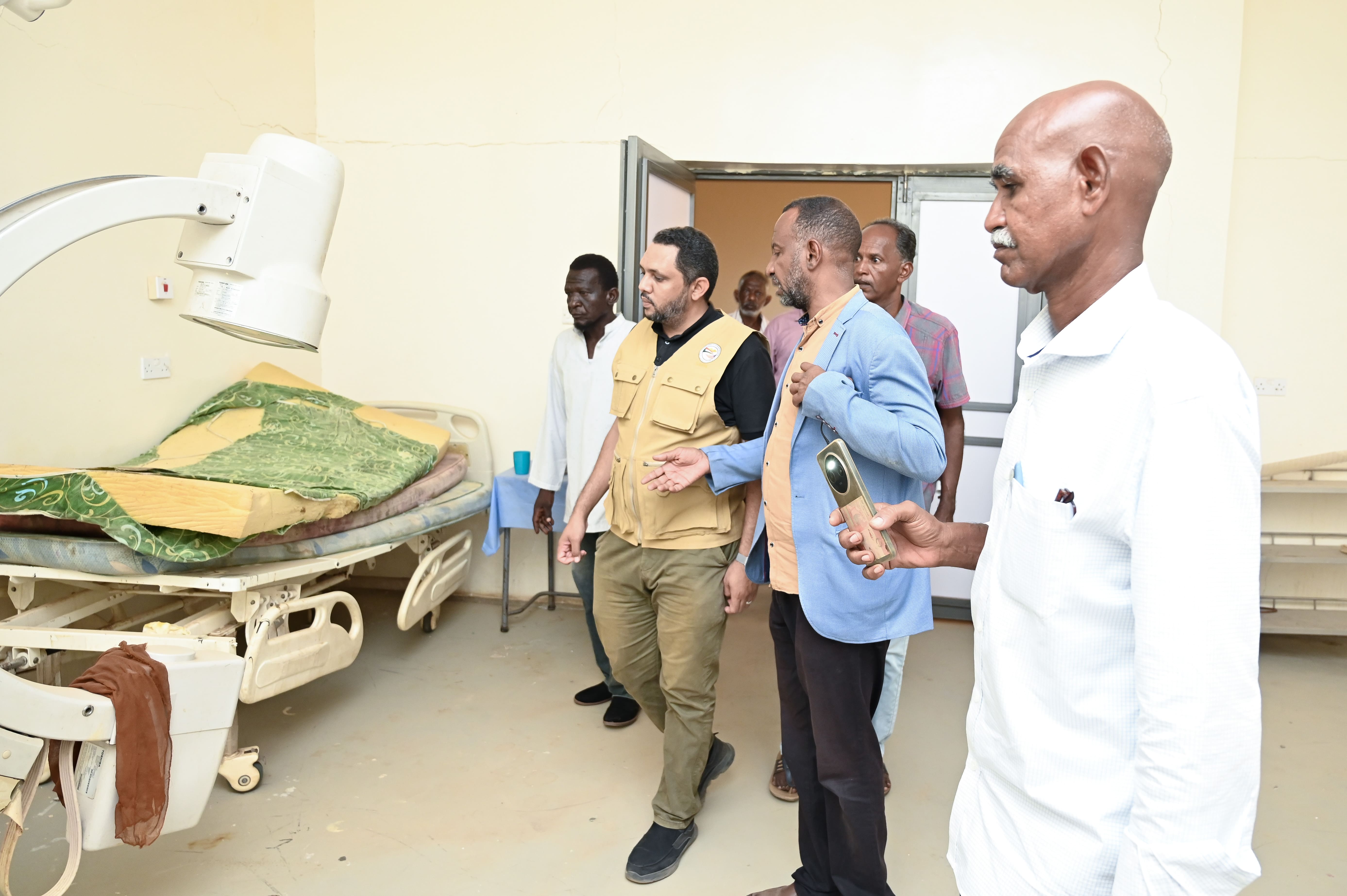
In the heart of Khartoum North, Sudan, a remarkable transformation is underway. Once a beacon of healing and education, Bahri Teaching Hospital had fallen silent due to the devastating conflict that swept across Sudan. But today, thanks to the unwavering efforts of the Sudanese American Physicians Association (SAPA), the hospital is preparing to reclaim its role not just as a healthcare provider but as a center of medical learning and excellence.
>> Related Post: SAPA Rebuilds Gebisha Hospital to Strengthen Healthcare in Gedaref
A Legacy Interrupted, Now Restored
Bahri Teaching Hospital, once the second-largest hospital in Sudan, has long served as a critical institution for both treatment and training. With approximately 500 beds and the capacity to serve more than 350,000 patients per year, including 100,000 outpatient visits, 30,000 ER visits, and 10,000 surgeries annually, the hospital trained thousands of medical students from the University of Bahri and other institutions.
Later, the hospital became non-operational. Infrastructure damage, looting, and the exodus of healthcare professionals brought its vital services to a halt. The educational pipeline for future doctors was fractured, creating a ripple effect across Sudan’s entire health system.
>> Related Post: Life-Saving Care Arrives in Sudan’s War Zones via SAPA’s Mobile Clinics
Why Reopening Bahri Hospital Matters for Medical Training
Sudan is currently facing an unprecedented healthcare worker shortage. According to a recent report, nearly 67% of hospitals in conflict zones are non-functional, and many of the Sudanese doctors have left the country since the war began. This shortage has created a dire gap in both care delivery and the education of future physicians.
Rehabilitating Bahri Hospital addresses both crises at once. With the support of SAPA, the hospital will:
- Resume clinical rotations for medical students who have been left in limbo.
- Reinstate residency and internship programs for young doctors.
- Provide continuing medical education (CME) opportunities to existing healthcare workers.
>> Related Post: Local Doctors Sustain Sudan’s Healthcare Amid War with SAPA’s Help
How the Rehabilitation Works
SAPA’s project is comprehensive. The first phase has focused on structural assessments, debris removal, restoring water and electricity, and repairing essential departments like internal medicine, pediatrics, and surgery wards. SAPA is also working with the Federal Ministry of Health and academic institutions to ensure that the educational mission of the hospital is restored in tandem with clinical services.
Efforts include:
- Re-equipping classrooms.
- Reconnecting medical students with academic mentors.
- Offering trauma care and crisis medicine training modules.
- Mobilizing SAPA members and diaspora physicians for teaching.
This integrated model bridges emergency response with long-term investment in health education.
Training the Trainers: SAPA’s Role as Mentor and Facilitator
SAPA brings more than just funding; it brings experience, mentorship, and a strong commitment to capacity-building. SAPA’s international network of Sudanese physicians and scholars is working to guide the next generation.
These initiatives are designed to equip young Sudanese doctors with the skills, knowledge, and confidence to lead in their communities. By fostering local capacity and academic exchange, SAPA’s model reduces dependence on foreign aid and slows the brain drain, while planting the seeds for a more resilient and self-sustaining healthcare system.
>> Related Post: Empowering the Next Generation: Girls’ Education in Sudan
A Future Fueled by Education and Hope
Rehabilitating Bahri Teaching Hospital is not just about fixing a building. It’s about reigniting the dreams of thousands of future doctors and nurses. It’s about ensuring that Sudan doesn’t lose an entire generation of medical professionals. And it’s about investing in a long-term vision of a self-reliant, locally led healthcare system.
When hospitals are rebuilt as centers of learning, they become more than treatment facilities. They become beacons of hope and catalysts for systemic transformation.
FAQs
1. What is the role of Bahri Teaching Hospital in Sudan’s medical education system?
Bahri Hospital was a key clinical training site for medical students from the University of Bahri and surrounding institutions, supporting internships, residencies, and research.
2. How has the war affected medical education in Sudan?
The conflict has disrupted universities, hospital-based training, and forced the migration of healthcare professionals. Many students have been left without access to rotations or exams.
3. Why is SAPA focusing on educational restoration, not just healthcare?
Because sustainable healthcare depends on building future capacity, training new doctors ensures long-term self-reliance and reduces dependency on external aid.
4. What kinds of training will be offered at the restored Bahri Hospital?
Clinical rotations, trauma and crisis medicine modules, continuing medical education (CME), and specialist workshops.
5. How can Sudanese diaspora physicians get involved?
They can volunteer for missions, offer lectures, become mentors, or support with donations and medical supplies.

Comment (1)
website create
Hi there to all, for the reason that I am genuinely keen of reading this website’s post to be updated on a regular basis. It carries pleasant stuff.