Benefits of Sadaqah in Islam: A Source of Blessings and Rewards
 sapa
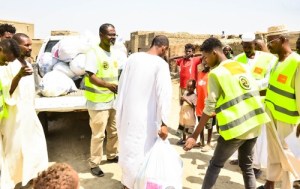
sapaSadaqah, the act of giving voluntary charity for the sake of Allah, holds profound significance in Islam. Rooted in the Quranic teachings and exemplified by the practices of Prophet Muhammad ﷺ, sadaqah transcends mere monetary transactions. It is a means of purifying wealth, attaining spiritual elevation, and securing blessings in both this life and the hereafter. This blog will discuss the numerous benefits of Sadaqah and why you should donate to charities.
Profund Benefits of Giving Sadaqah in Islam:
1. Multiplication of Rewards
One of the most compelling aspects of sadaqah is the promise of its rewards being multiplied manifold. Allah’s generosity is emphasized in the Quran, where it is stated, “The example of those who spend their wealth in the way of Allah is like a seed [of grain] which grows seven spikes; in each spike is a hundred grains. And Allah multiplies [His reward] for whom He wills” (Qur’an 2: 261). The act of giving sadaqah, whether in the form of money, services, or kind words, is likened to planting a seed that yields abundant harvests of spiritual and worldly benefits.
2. Journey to Jannah
For those who consistently practice sadaqah, a unique entry into paradise is promised. The Prophet Muhammad ﷺ proclaimed, “Anybody who spends a pair of something in the cause of Allah will be called from all the gates of Paradise, ‘O Allah’s slave! This is good.’ He who gives in charity will be called from the gate of charity” (Sahih Bukhari). This illustrates the distinct honor bestowed upon the givers of sadaqah, who will be welcomed into Jannah through the special door known as Baab as-Sadaqah.
3. Attaining Taqwa
Taqwa, often translated as righteousness or piety, is a cherished quality in Islam. Giving sadaqah is recognized as a means to achieve taqwa, as it fosters a deep sense of consciousness and fear of Allah. As Allah declares in the Quran, “You will never achieve taqwa until you donate some of what you cherish. And whatever you give is certainly well known to Allah” (Qur’an 3: 92). By partaking in acts of generosity, Muslims can aspire to be counted among the noblest in the sight of Allah.
4. No Fear, No Grief
A recurring concern for individuals is the fear and grief associated with the Day of Judgment. However, those who engage in regular acts of sadaqah are reassured by Allah Himself: “Those who spend their wealth in charity day and night, secretly and openly—their reward is with their Lord, and there will be no fear for them, nor will they grieve” (Qur’an 2: 274). This divine assurance underscores the protective shield that sadaqah provides against the anxieties of the afterlife. It is one of the biggest benefits of giving Sadaqah.
5. Extinguishing Sins
The Prophet ﷺ beautifully likened sadaqah to water extinguishing fire, stating, “Salat is clear proof, and Sawm (fasting) is an impregnable shield, and Sadaqah (charity) extinguishes sins just as water extinguishes fire” (Tirmidhi). Engaging in regular acts of charity becomes a means of expiating sins and purifying one’s soul, aligning with the Quranic notion that good deeds remove the effects of evil deeds (Quran 11:114). It’s important to note the difference between Sadaqah and Zakat here.
6. Shaded by Allah
On the Day of Resurrection, when the sun will scorch the earth, those who gave sadaqah in secret will find solace under the shade of Allah. The Prophet ﷺ elucidated, “Seven (people) will be shaded by Allah by His Shade on the Day of Resurrection when there will be no shade except His Shade… and (finally), a man who gives in charity so secretly that his left hand does not know what his right hand has given” (Sahih Bukhari). This highlights the divine recognition and protection afforded to those who give selflessly.
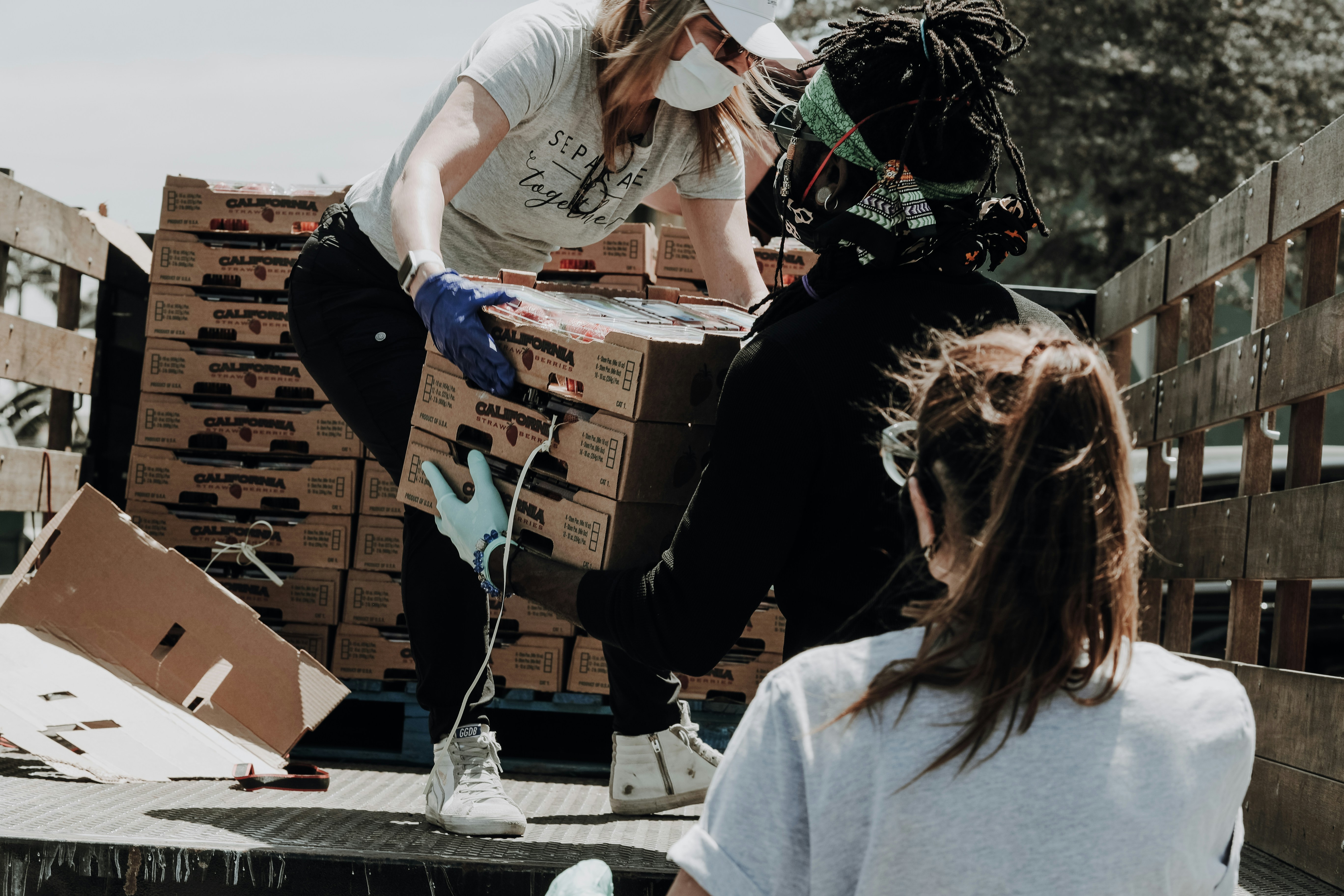
Fastest & Securest Way to Pay SADAQAH ONLINE👇
Sadaqah Related Resources & Posts:
- Differences Between Zakat and Sadaqah
- Give Sadaqah Online
- Donate Sadaqah Jariyah Online
- Sadaqah in Quran and Hadith
- Types of Sadaqah
- Benefits of Sadaqah
- Examples of Sadaqah Jariyah
- Sadaqah Jariyah for Deceased
- Sadaqah for Illness
FAQs
1. What is Sadaqah in Islam?
Sadaqah is a voluntary act of charity that purifies wealth and earns spiritual rewards, going beyond financial giving to include acts of kindness and service. Its importance is highlighted on SAPA’s Sadaqah page.
2. How are rewards multiplied through Sadaqah?
The Quran likens Sadaqah to a seed yielding seven hundred times over, illustrating that Allah multiplies the rewards manifold for those who spend sincerely in His cause (Quran 2:261).
3. What is the spiritual significance of giving Sadaqah?
Prophet Muhammad ﷺ taught that Sadaqah protects from Hellfire and grants special entry into Paradise through the gate of charity, highlighting its profound spiritual benefits.
4. What is Sadaqah Jariyah, and why is it important?
Sadaqah Jariyah refers to continuous charity, such as building schools or wells, which benefits others long after the donor’s lifetime. The Prophet ﷺ said it is among deeds that reward persists for after death, described further on SAPA’s Donate Sadaqah Jariyah Online.
5. Can small acts of kindness be considered Sadaqah?
Yes, even minor deeds like a smile or a kind word count as Sadaqah, reflecting the broad scope of charitable acts beyond money.
6. How does Sadaqah contribute to achieving Taqwa (righteousness)?
Giving Sadaqah cultivates consciousness of Allah and purifies the heart, aligning with the Quranic verse that true piety involves sharing from what one cherishes (Quran 3:92).
7. Why is secret giving emphasized in Islam?
Secret Sadaqah is highly meritorious, with the Prophet ﷺ saying those who give discreetly will be protected under Allah’s shade on the Day of Resurrection (Sahih Bukhari).
8. What social impact does Sadaqah have?
Sadaqah promotes solidarity and compassion, reducing social inequity by supporting the vulnerable and fostering community wellbeing.
9. How does donating Sadaqah through SAPA make a difference?
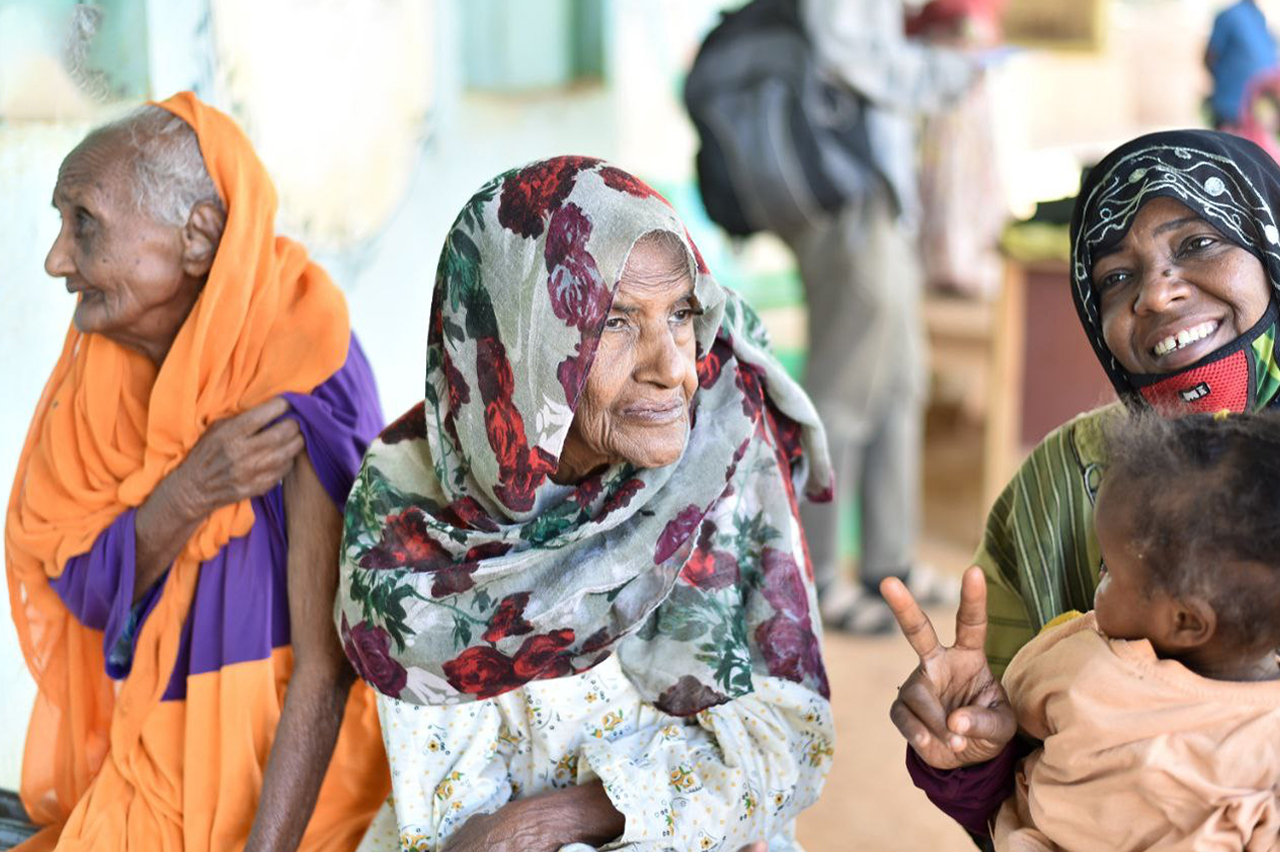
Sadaqah donations via SAPA help provide vital aid for women and children in Sudan and support sustainable humanitarian projects, making a lasting impact.
10. Where can Sadaqah be given online safely?
SAPA provides a secure platform to give Sadaqah online, ensuring transparency and effective use of funds for charitable causes, detailed on their Give Sadaqah Online page.