
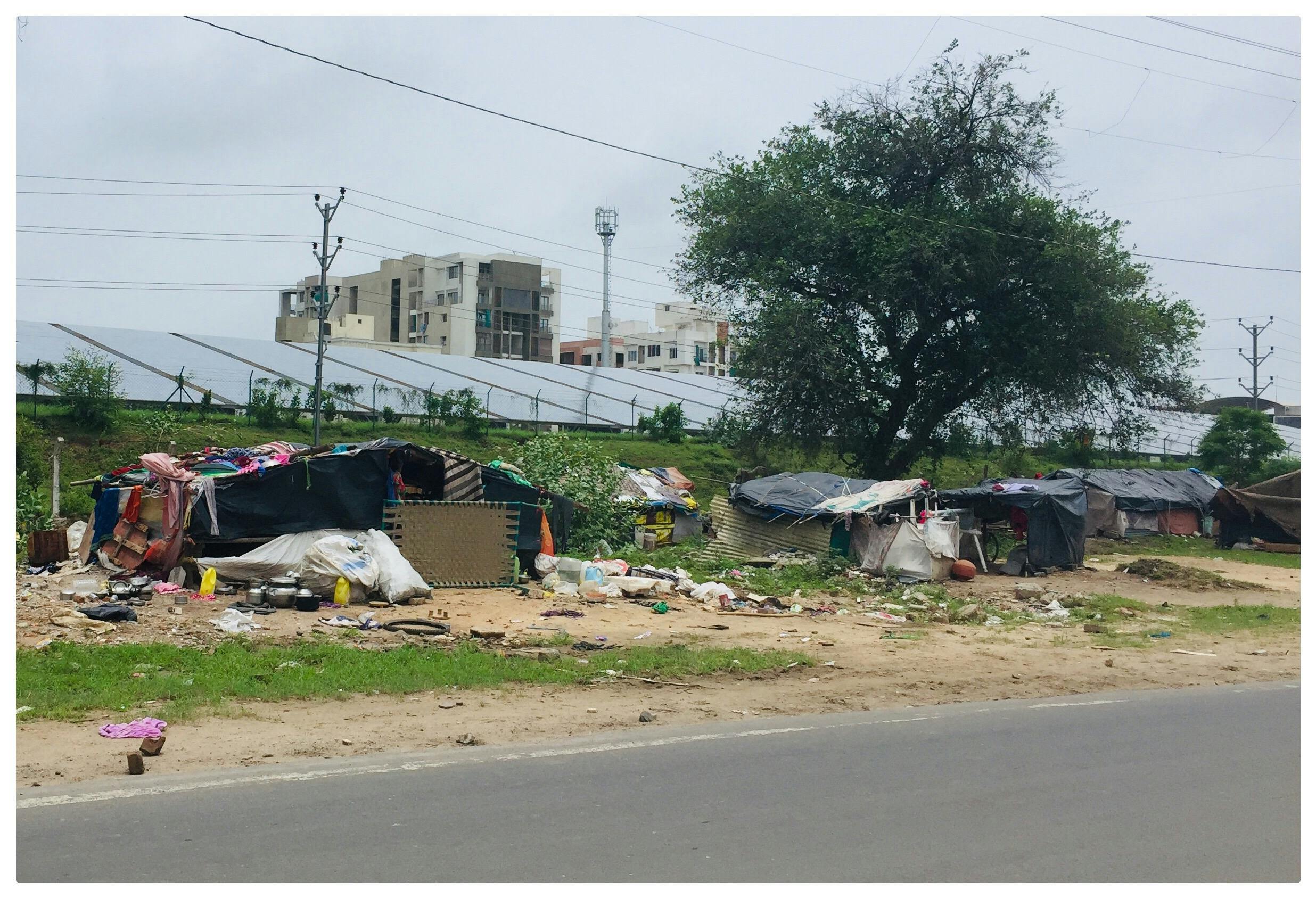
Top 10 Countries with Highest Poverty Rate in the World in 2026
 mahnoor
Poverty is more than just a statistic; it’s a harsh reality for millions of people around the world. It strips individuals of their dignity, dreams, and the necessities of life. In 2025, the world is still grappling with the pressing issue of poverty, and the statistics tell a heartbreaking story. Understanding these numbers and the lives they represent is essential for igniting change. This blog delves into the current state of global poverty, highlights the countries with the highest poverty rate, and showcases the efforts of organizations like the Sudanese American Physicians Association (SAPA) to combat this crisis. Together, we can make a difference in the lives of those trapped in the cycle of poverty.
Why Understanding Poverty Matters: The Human Stories Behind the Data
Poverty is far more than a mere statistic; it’s a harsh reality that strips millions of people of their dignity, dreams, and necessities, trapping families and communities in cycles of hardship. In 2025, approximately 800 million people worldwide live in extreme poverty, surviving on less than $3.00 per day, according to the updated World Bank Global Poverty Report. This equates to roughly 1 in 10 individuals globally, highlighting a staggering challenge despite decades of progress that have lifted over 1.5 billion people out of poverty since 1990 and 2022. The ongoing effects of the COVID-19 pandemic, protracted conflicts, climate change, and economic instability have reversed gains and slowed poverty reduction, with regions like Sub-Saharan Africa and fragile states bearing the heaviest burdens.
Behind these figures are real people, mothers struggling to feed their children, families displaced by war, and communities without access to clean water or adequate healthcare. Systemic barriers such as lack of education, inadequate health services, and limited economic opportunities perpetuate poverty across generations. For instance, in conflict-affected areas like Sudan, SAPA’s humanitarian efforts support vulnerable populations facing food insecurity and health crises, emphasizing the human impact behind the numbers.
Understanding poverty through this dual lens of data and lived experiences is essential not only for awareness but for catalyzing real change. It calls on global citizens, policymakers, and organizations alike to prioritize inclusive growth, equitable resource access, and resilience-building to restore dignity and hope for millions entrenched in poverty.
World Poverty Rate by Country Statistics
Poverty remains a deeply complex issue, intertwined with economic conditions, education access, healthcare, and the availability of essential resources. In 2025, global poverty statistics reveal persistent disparities, with about 838 million people living in extreme poverty, defined as living on less than $2.15 per day, now revised to $3.00 per day by the World Bank to better capture current economic realities. This means approximately one in ten people worldwide endure deprivation that affects their access to basic needs, dignity, and opportunity.
The devastating impact of the COVID-19 pandemic compounded pre-existing inequities, pushing estimates of global extreme poverty sharply upwards by 50 million people in just 2020. Since then, while progress toward poverty reduction has resumed, it has slowed compared to previous decades, with fragile and conflict-affected states plus Sub-Saharan Africa disproportionately bearing the burden.
>> Related Post: Top 10 Poorest Countries in The World
Top 10 Countries with the Highest Poverty Rates in 2026
Understanding the human impact behind the numbers of poverty statistics is essential for fostering empathy and igniting change. Below, we delve deeper into the ten countries with the highest poverty rates, exploring the heart-wrenching realities their citizens face.
1. South Sudan
With 82.3% of its population living in extreme poverty, South Sudan stands at the tragic forefront of this global crisis. The nation has been plagued by years of civil war and political turmoil, which have left its economy in shambles. The impact of climate change on Sudan is profound, making it increasingly difficult for families to rely on agriculture. Families struggle daily to find food, and many children go to bed hungry. The water crisis in Sudan is also a pressing issue; many communities rely on unsafe sources, leading to health crises that compound their suffering. The desperate need for humanitarian aid is palpable, as countless organizations work tirelessly to provide life-saving assistance to those trapped in this cycle of despair.
>> Related Post: Top 10 Charities in Sudan to Donate to
2. Somalia
Somalia’s poverty rate of 76.8% paints a grim picture of a country long ravaged by conflict, drought, and famine. The relentless instability has destroyed livelihoods, leaving families homeless and in dire need of shelter. Mothers walk for miles to find water, often returning with little more than a few jerry cans, and children suffer from malnutrition as food becomes increasingly scarce. Top Humanitarian organizations are the lifeline for many, yet their challenges are immense. As the sun rises over the arid landscape daily, families cling to hope, hoping for a better tomorrow.
3. Nigeria
In Nigeria, a nation rich in natural resources, the stark reality is that 70.7% of its people live in poverty. Widespread corruption and conflict, particularly in the northern regions, exacerbate millions’ struggles. Families often survive on meager incomes, and many children do not have access to primary education, leaving them trapped in a cycle of poverty. The bustling markets contrast sharply with the harsh realities of life outside the city; while some experience fleeting prosperity, countless others go without. The urgent call for systemic change is louder than ever as citizens yearn for opportunities to lift themselves out of despair.
4. Pakistan
Pakistan’s 68.8% poverty rate reveals a nation facing multifaceted challenges. Economic instability, political unrest, and inadequate access to education and healthcare plague its population. The shadows of poverty cast long over families, with many struggling to provide even the necessities for their children. In rural areas, the situation is particularly dire, as the lack of infrastructure further complicates efforts to escape poverty. Community initiatives and government programs are slowly working towards improvement, but the journey remains fraught with obstacles. The resilience of the Pakistani people is commendable, as they hold onto hope amid ongoing challenges.
5. India
In India, a country known for its rapid economic growth, 64.9% of the population still grapples with poverty. Much of the impoverished population resides in rural areas, where access to resources is often limited. The divide between the urban wealthy and rural poor is stark, with many families facing inadequate healthcare, education, and job opportunities. As urban centers flourish, countless individuals remain invisible, their struggles overshadowed by the glimmer of prosperity around them. The dream of a better future is out of reach for many, fueling the urgency for innovative solutions that address the systemic issues perpetuating poverty.
6. Madagascar
Madagascar’s 63.9% poverty rate tells a story of environmental challenges and economic hardship. As crops fail, malnutrition becomes a heartbreaking reality for children. Many live on less than $2.15 daily, facing daily struggles just to survive. Despite their resilience, the people of Madagascar need immediate support to help rebuild their lives and protect their environment. The cry for help resonates in the hearts of those affected as they seek a path toward a brighter future.
7. Burundi
Burundi, with a poverty rate of 58.5%, remains mired in political instability and economic fragility. Many families lack access to essential services, such as education and healthcare, making it challenging to break free from poverty. The day-to-day struggles of life are often marked by uncertainty and despair as individuals work tirelessly to meet their most basic needs. The community spirit is strong, and local organizations strive to assist, yet the need for comprehensive support remains critical. The dreams of a better life persist in the hearts of the Burundian people, who long for peace and opportunity.
8. Central African Republic
The Central African Republic’s 56.8% poverty rate reflects years of conflict and violence that have devastated its economy. Many lack access to education and clean water, leading to dire health consequences and limited opportunities. In this country, the struggle to survive is an everyday reality, as families face the constant threat of violence and displacement. Humanitarian aid is vital to address immediate needs, but long-term solutions are needed to foster stability and growth. The resilience of the Central African people shines through their hardships as they cling to hope for a peaceful and prosperous future.
>> Related Post: Top 10 Poorest African Countries in 2026
9. Equatorial Guinea
Despite its oil wealth, Equatorial Guinea suffers from a 54.4% poverty rate. The stark contrast between the country’s riches and the reality of many citizens’ lives highlights the severe wealth inequality and government mismanagement that plague the nation. Many families struggle to access necessities, including food, clean water, and healthcare, while the affluent elite continue to thrive. This disparity frustrates the majority, who long for transparency and accountability. The voices of the oppressed echo, calling for change and a fair distribution of resources that would uplift all citizens.
10. Sierra Leone
Finally, Sierra Leone rounds out the list with a poverty rate of 53.2%, still reeling from the effects of a brutal civil war. Many citizens live without access to essential resources, and the scars of conflict linger, hindering progress and development. Families face daily struggles to secure food and clean water, and the path to recovery feels steep and daunting. However, there is hope; local and international organizations work tirelessly to promote sustainable development and provide aid. The strength and resilience of the Sierra Leonean people are a testament to the human spirit’s capacity to endure and rebuild.
>> Related Post: Top 10 Poorest Muslim Countries in the World in 2026
Fastest Way to Donate to SUDAN ONLINE👇
Steps That SAPA Is Taking to Decrease the Global Poverty Rate
Organizations like the Sudanese American Physicians Association (SAPA) are committed to making a difference in the fight against poverty. Their efforts focus on several key areas:
1. Healthcare Access: SAPA recognizes that health is fundamental to breaking the cycle of poverty. They work to improve healthcare access for underserved communities, providing medical care and resources to those in need. Addressing health disparities empowers individuals to pursue education and employment opportunities.
2. Community Engagement: SAPA believes in the power of community involvement. They work alongside local leaders and organizations to identify needs and create solutions. Empowering communities to take charge of their development fosters a sense of ownership and sustainability.
3. Advocacy and Awareness: SAPA advocates for policies that address poverty at local, national, and international levels. By raising awareness of the challenges faced by impoverished communities, they encourage others to join the fight against poverty and support meaningful change.
>> Related Post: Top 10 Charities in Africa to Donate to
FAQs
1. Which country has the highest poverty rate in 2026?
South Sudan has the highest poverty rate, with approximately 82.3% of its population living in extreme poverty, largely due to ongoing civil conflict and economic collapse.
2. What are some of the poorest countries in terms of poverty rate as of 2026?
Other countries with extremely high poverty rates include Equatorial Guinea at 76.8%, Madagascar at 70.7%, and the Central African Republic at 68.8%, all facing chronic instability and weak economies.
3. What is Somalia’s poverty rate, and what factors contribute?
Somalia’s poverty rate is approximately 54.4%, fueled by decades of conflict, drought, and famine, which have destroyed infrastructure and livelihoods.
4. How does Nigeria rank in terms of poverty rate?
Nigeria has a poverty rate of around 40.1%. Corruption, regional conflicts, and unequal wealth distribution worsen the plight of millions living in poverty.
5. What are the poverty statistics for Burundi in 2026?
Burundi experiences a poverty rate close to 64.9%, exacerbated by political instability and weak healthcare and education systems.
6. What is the current international poverty line set by the World Bank?
As of June 2025, the World Bank updated the international poverty line to $3.00 per day, an increase from the previous $2.15, to better reflect current living costs and national poverty thresholds (World Bank June 2025 Update).
7. How many people worldwide live in extreme poverty in 2025?
Approximately 838 million people live in extreme poverty in 2025, meaning they survive on less than $3.00 a day, the equivalent of one in ten people globally.
8. Which regions bear the highest burden of extreme poverty today?
Sub-Saharan Africa and fragile or conflict-affected states carry the largest share of extreme poverty, with poverty rates often exceeding 40% in many countries in these regions.
9. How much progress has been made in reducing poverty since 1990?
From 1990 to 2022, over 1.5 billion people have been lifted out of extreme poverty globally due mostly to economic growth in East and South Asia, but recent progress has slowed due to economic stagnation and overlapping crises.


Comment (1)
Rahul Chaudhury
Not a properly researched & data based findings.
India has elevated it’s poverty index much beyond as what is mentioned based on perhaps 2 decades old data.
Even at the peak of pandemic in 2020-21, it lifted 30 cr people from below poverty lines & all documented evidence like economic surveys, annual budgets, IMF & WB data corroborated this.
Through it in garbage.