

Crisis in El Fasher: Urgent Needs and Lifesaving Support
 Waleed
The city of El Fasher in North Darfur is facing a deepening humanitarian catastrophe. Amid escalating conflict, the crisis is marked by mass displacement, acute shortages of food, water, and medical care, and widespread reports of atrocities. At this moment, the call for urgent lifeline support is louder than ever. The focus of this piece is to outline the urgent needs and highlight how organisations like SAPA are stepping in with lifesaving support.
The Scale of the Crisis in El Fasher
El Fasher has become a flashpoint in the conflict between the Rapid Support Forces (RSF) and the Sudanese Armed Forces (SAF). According to the United Nations Human Rights Office, after the RSF took control of El Fasher, “brutal attacks” escalated and more than 82,000 of the city’s estimated 260,000 population had fled. Displaced persons’ testimonies indicate that many survived an 18-month siege only to face violence, starvation, and collapse as they attempted to flee.
One report noted that over 81,000 civilians had been displaced by insecurity in El Fasher region. These numbers reflect not only large-scale displacement but a desperate struggle for basic survival.
>> Related Post: From El-Fasher to Tawila: How SAPA is Saving Lives in North Darfur’s Deepening Crisis
Key Urgent Needs in El-Fasher:
Displacement, Shelter, and Protection
With tens of thousands fleeing, many arrive at camps or improvised shelters without basic protection. People report arriving having lost family members, having walked long distances, and now facing exposure, trauma, and predation. In many cases, there are not enough tents or safe spaces for women, children, or the elderly.
Food, Water, and Livelihoods
An 18-month siege and intensified conflict have disrupted supply lines into El Fasher. As a result, food shortages, malnutrition, and water scarcity are rampant. Witnesses say families are living on just one meal a day. Without rapid intervention, children are especially at risk of acute malnutrition and death.
Medical Care and Health Services
The healthcare infrastructure has been severely compromised in the region. Medical staff in and around El Fasher report that civilians are wounded, starving, and in some cases dying of exhaustion simply trying to escape. Access to trauma care, basic medicines, and maternal and child health is extremely limited.
Protection from Violence and Psychological Support
Reports of atrocities, including summary executions, abductions for ransom, ethnic targeting, and sexual violence, have emerged. Many displaced persons arrive with deep trauma, having witnessed or been subject to violence. Psychological first-aid and safe spaces are therefore urgent needs.
Coordination of Aid and Access
Conflict and siege conditions make humanitarian access hazardous. Aid agencies struggle to reach people trapped or fleeing. Ensuring safe corridors, logistics, and coordination is vital. Without this, supplies may never reach the most vulnerable. Reports from aid organisations highlight the danger of further collapse.
>> Related Post: Month of Giving: Give Back to Charities This Holiday Season
The Bigger Picture: Why El Fasher Matters
El Fasher is not only emblematic of the suffering in Darfur; its fall and siege have strategic, humanitarian, and moral implications.
Strategic Significance
The capture of El Fasher by the RSF represented the fall of the SAF’s last stronghold in Darfur. Control of the city alters the balance of power, but also deepens the humanitarian risk for civilians caught in the crossfire.
Humanitarian Significance
Civilians in El Fasher and surrounding camps have endured an 18-month siege, intense bombardments, displacement, and hunger. This region’s collapse would mean tens or hundreds of thousands more civilians either trapped or fleeing under catastrophic conditions.
Why Support Now Matters
Delaying response would mean many more deaths, deeper malnutrition, more children lost to hunger, and long-term psychosocial damage. Every day matters. SAPA’s work is thus not only urgent but lifesaving.
>> Related Post: Malaria in Sudan: Data, Challenges, and Impact on Sudan’s Healthcare System

Lifesaving Support: How SAPA is Responding
At this critical juncture, organisations like SAPA are stepping in. Here’s how the response is structured:
Nutrition & Food Support
SAPA provides emergency food rations and collaborates with local health partners to screen children for malnutrition. Therapeutic foods are delivered where needs are highest.
Medical & Health Interventions
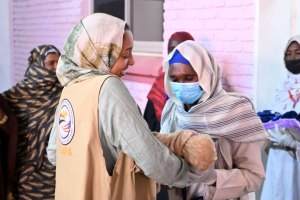
SAPA’s medical and relief teams are on the frontlines in Tawila, providing one of the few sources of emergency medical care, food, clean water, and shelter for displaced families fleeing violence in El Fasher. However, with thousands of internally displaced persons arriving daily, SAPA’s mobile clinics, emergency aid centers, and central kitchens are overwhelmed and urgently need your support.
Your contributions can have a direct impact:
- $50 provides emergency food for one family
- $100 treats three malnourished children
- $250 supplies clean water for 25 families
- $500 supports one SAPA medical clinic for a day



Comment (1)
Sudan's El Fasher Faces Catastrophe as Displacement Fears Escalate
[…] >> Related Post: Crisis in El Fasher: Urgent Needs and Lifesaving Support […]