Effects of Child Hunger – How Does Food Insecurity Affect Children?
 mahnoor
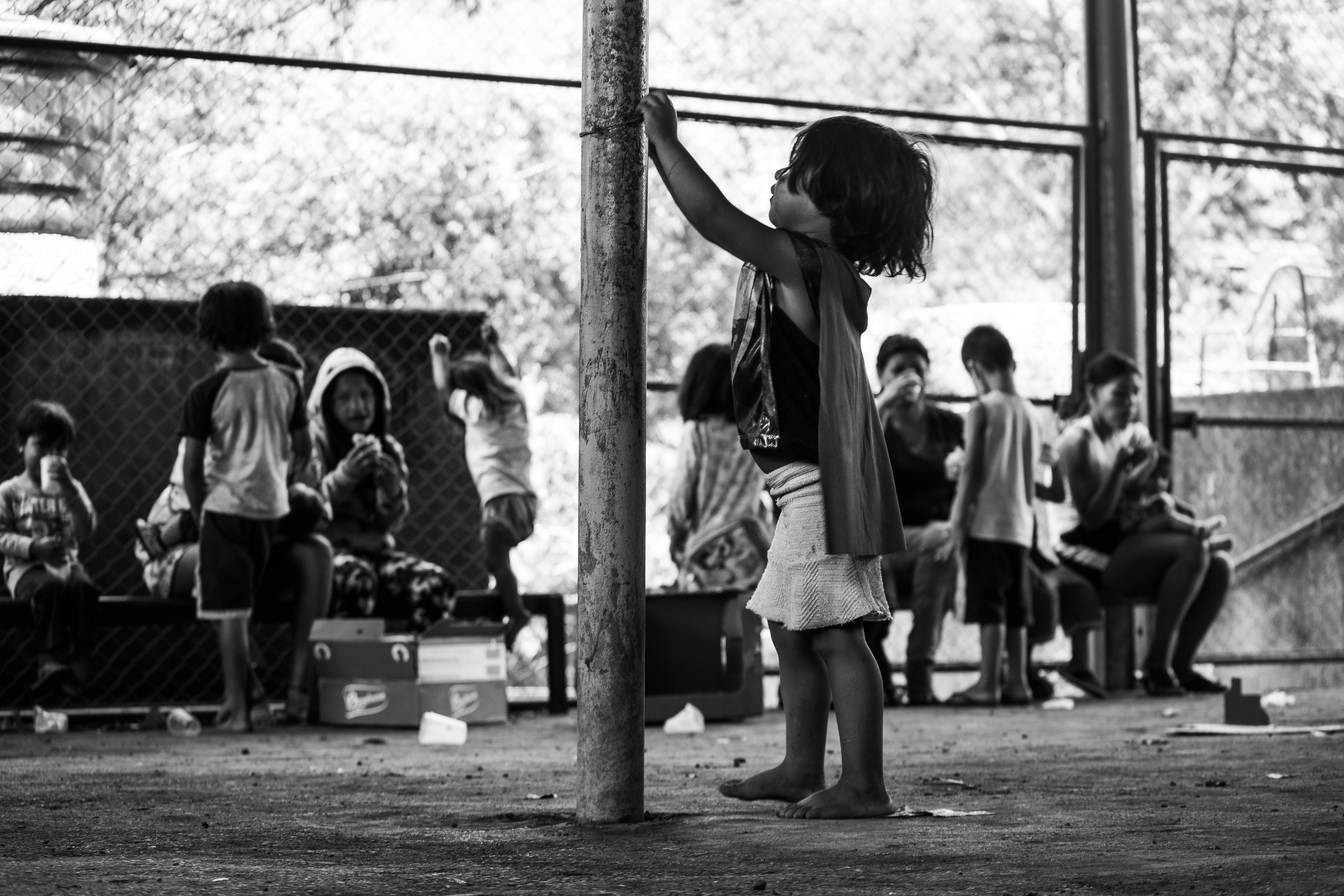
Child hunger is a heartbreaking reality affecting millions of children worldwide. Hunger isn’t just the absence of food—it’s the absence of a future. When children go hungry, it disrupts their development, impacts their physical and mental health, and steals away the innocence of childhood. For families facing daily battles against food insecurity, the effects of child hunger can be devastating, leaving children without the support they need to grow and thrive.
As the world deals with many crises, from conflicts and economic instability to climate change, the issue of child hunger has worsened. Organizations like the Sudanese American Physicians Association (SAPA) work tirelessly to address hunger in Africa and have also initiated North Africa hunger crisis appeal, offering hope and practical solutions to families and communities. However, understanding the scope of child hunger, why it persists, and its profound effects on children is essential to grasping the urgency of this crisis.

What is Child Hunger?
Child hunger refers to a state where children do not have access to sufficient food to meet their basic nutritional needs. This doesn’t just mean a lack of food; it often means that the food available lacks essential nutrients required for healthy development. The impact of child hunger goes beyond an empty stomach—it can result in stunted growth, weakened immune systems, developmental delays, and lasting psychological effects.
When parents struggle to afford nutritious meals, children bear the weight of that hardship. Child hunger is more than a nutritional issue; it’s a crisis that affects health, education, and the future of an entire generation.
>> Related Post: Hunger in Africa: Addressing Famine, Starvation, and Food Insecurity
Why Are Children Going Hungry?
Understanding why children are going hungry requires looking at the broader picture. Hunger doesn’t happen in isolation; it is the result of complex, interwoven factors, including:
- Poverty: Families living in poverty simply cannot afford enough nutritious food, leading to difficult-to-break cycles of hunger.
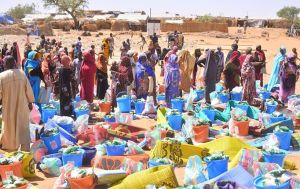
- Conflict and Displacement: Wars and conflicts often disrupt food supplies, pushing families out of their homes and into extreme hunger. In Sudan, ongoing conflict has displaced millions, stripping them of their livelihoods and access to food.
- Climate Change: Unpredictable weather patterns, droughts, and floods have devastated crops and food supplies. Climate Change in Sudan is especially problematic as communities mostly rely heavily on agriculture.
- Economic Instability: Inflation and rising food prices make it harder for families to afford basic essentials.

>> Related Post: Best Hunger Relief Charities in 2025
How Does Hunger Affect Child Development? 6 Effects of Child Hunger
Hunger impacts children in ways that many of us can’t fully imagine. Here’s a look at six profound effects hunger has on children, leaving scars that can last a lifetime.
1. Physical Growth and Development
A child’s body needs nutrients to grow strong and healthy. When those nutrients are missing, the body compensates, but it comes at a heavy cost. Chronic hunger can lead to stunted growth, where a child remains small and underdeveloped compared to their peers. For a child, this means a lifelong struggle with health issues, an inability to participate in everyday activities, and a visible reminder of the hunger they endured. These children face challenges not just in childhood but throughout their entire lives; their growth is stunted not by lack of potential but by lack of food.
2. Cognitive Functioning
The brain is a hungry organ, demanding constant nourishment, especially during childhood. But when a child is hungry, their brain is deprived of the fuel to grow and learn. Hunger impairs memory, concentration, and the ability to focus, leaving hungry children to struggle in school, often falling behind their peers. As they grow, this gap widens, reducing their chances for a better life. Hunger steals the present and future, limiting a child’s potential and dimming their dreams.
3. Immune System Health
Hunger doesn’t just make children tired; it makes them fragile. A malnourished child’s immune system is weakened, making them more susceptible to common illnesses like colds, flu, and infections. Minor illnesses can become major health crises for malnourished children. In communities where healthcare is scarce, this means that hunger can lead to preventable deaths. Every meal skipped is a battle lost against disease, leaving children to fight infections with bodies too weak to stand a chance.
>> Related Post: Top 10 poorest African countries in 2025
4. Emotional Well-being
Hunger brings anxiety, insecurity, and despair, leaving children feeling vulnerable and unworthy. The constant fear of not having enough to eat can create lasting scars, leading to low self-esteem and a sense of hopelessness. For children, the emotional toll of hunger can be overwhelming. They may hide their hunger to avoid burdening their families or struggle with feelings of shame, creating a psychological burden that’s often invisible but deeply painful.
5. Behavioral Issues
Hunger changes behavior, and not in ways we might expect. Children suffering from chronic hunger can become withdrawn, easily agitated, or disruptive. They may have trouble making friends or connecting with others, leading to isolation. Teachers may misinterpret their behavior as disobedience or lack of interest, never realizing that the root cause is hunger. Hunger is an unseen burden these children carry, one that affects their ability to connect, learn, and enjoy their childhood.
6. Long-term Economic Impact
The cycle of hunger and poverty is vicious and self-perpetuating. A hungry child grows into an adult and is more likely to face health challenges, educational setbacks, and economic instability. The impact of hunger extends far beyond childhood, limiting a person’s ability to contribute meaningfully to their community and economy. Without intervention, hunger’s shadow follows children into adulthood, trapping them in the same cycles of hardship that once ensnared their families.
>> Related Post: 5 Ways to Reduce Hunger/Poverty in Africa
SAPA’s Contribution to Alleviating Child Hunger
The Sudanese American Physicians Association (SAPA) has been actively working to address child hunger, especially in regions hit hardest by food insecurity. SAPA’s initiatives focus on providing immediate relief, long-term support, and sustainable solutions to reduce hunger.
- Emergency Food Aid: SAPA provides food packages to families affected by conflict and displacement. In regions where access to food is nearly impossible, these aid packages are lifesaving.
- Healthcare Programs: SAPA’s healthcare programs ensure that malnourished children receive the medical attention they need. By focusing on health and nutrition, SAPA tackles child hunger from multiple angles, improving children’s overall well-being.
- Advocacy and Awareness: SAPA works to raise awareness about the severity of child hunger and advocates for support and policies that address the underlying causes. Our commitment to this issue inspires hope and change, highlighting that hunger is preventable with the right resources and dedication.
>> Related Post: Top 10 countries with the highest poverty rate in the world in 2025
Conclusion
Child hunger is a crisis that transcends borders and demands global attention. Every hungry child represents a life full of potential, dreams, and aspirations, but hunger cuts these short. It’s a tragedy that requires immediate action, compassion, and commitment from individuals, communities, organizations, and governments.
Organizations like SAPA are leading the way in this fight, offering food, support, and hope. While SAPA’s efforts are making a real difference, much remains to be done. We must recognize that hunger is more than an isolated problem; it impacts millions of children’s health, education, and the future.
FAQs: Why is Child Hunger a Problem?
1. What is child hunger?
Child hunger is when children lack sufficient food to meet their nutritional needs. It affects their physical growth, cognitive development, and emotional well-being.
2. Why is child hunger a problem?
Child hunger leads to malnutrition, stunted growth, and weakened immune systems. It limits a child’s potential and affects their future, impacting health, education, and economic stability.
3. How does hunger affect a child’s development?
Hunger affects every development aspect, including physical growth, cognitive abilities, emotional stability, immune health, and behavior. It has lifelong consequences.
4. What causes child hunger?
Poverty, conflict, climate change, economic instability, lack of healthcare, and insufficient government support are all factors that contribute to child hunger.
5. How can I help alleviate child hunger?
You can support organizations like SAPA through donations, to make a difference.