Every Pregnancy in Sudan Matters: SAPA, Every Pregnancy, and Dr. Safaa Protect Mothers on the Frontlines
-
by
 Waleed
 - No Comments on Every Pregnancy in Sudan Matters: SAPA, Every Pregnancy, and Dr. Safaa Protect Mothers on the Frontlines
 Waleed
As conflict escalated across Sudan in April 2023, hospitals were damaged, healthcare workers were displaced, and critical medical systems fractured under immense pressure. In Khartoum State, maternity services were among the most severely disrupted. Even as infrastructure collapsed, childbirth did not pause.
Dr. Safaa Ali chose to stay
Dr. Safaa Ali, later recognized among BBC’s 100 Women for her courage and leadership during the crisis, continued providing care under conditions few physicians are ever trained to endure.
As shelling intensified during the early months of the war, Al-Saudi Maternity Hospital sustained significant damage. Supplies dwindled. Electricity became unreliable. A member of the medical staff lost their life. Still, mothers kept coming.
When evacuation became unavoidable, Dr. Safaa and her team reportedly spent four days transferring patients under active gunfire. Even after relocation, pregnant women sought her assistance wherever they could find her.
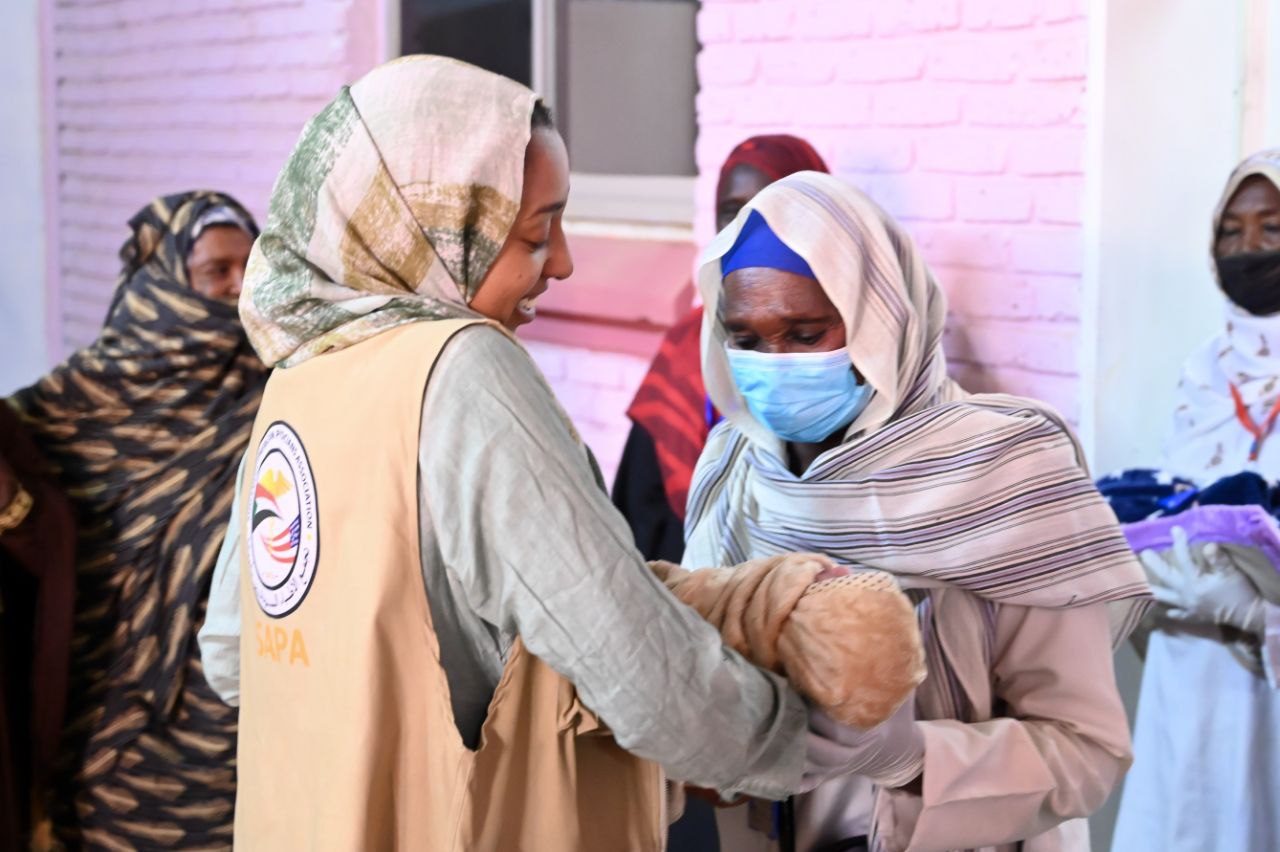
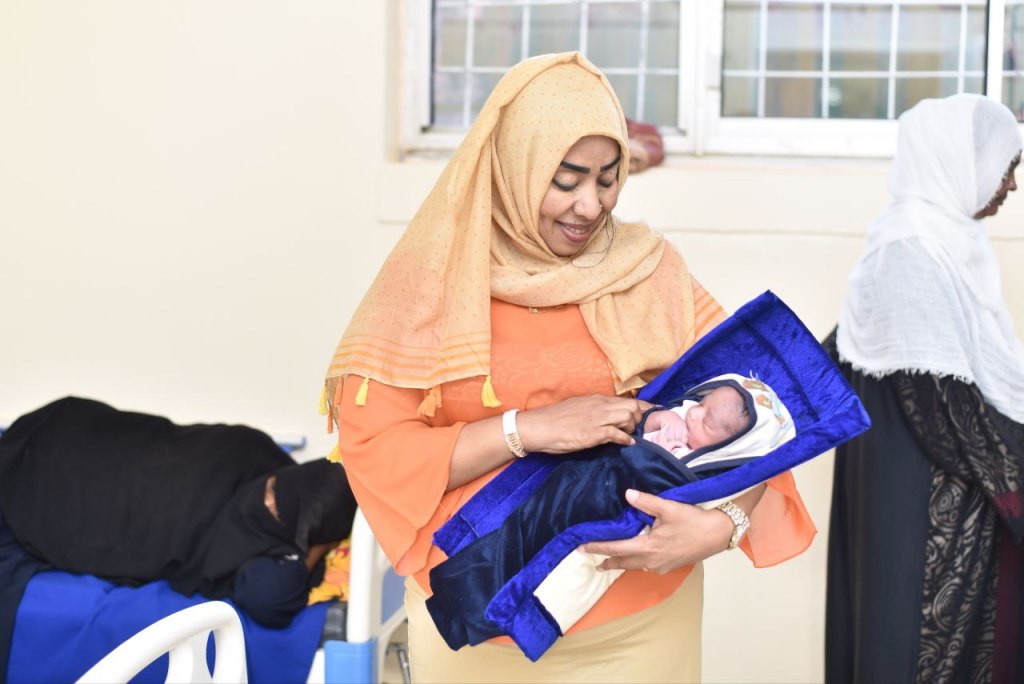
Today, following rehabilitation efforts supported by the Sudanese American Physicians Association (SAPA), the hospital has resumed operations and is managing approximately 130 deliveries per day. However, medical staff say the strain remains immense. With limited recovery space, multiple mothers may share beds following childbirth.
>> Protect a mother and newborn today. Donate Now

A Structured Collaboration to Address Maternal Risk
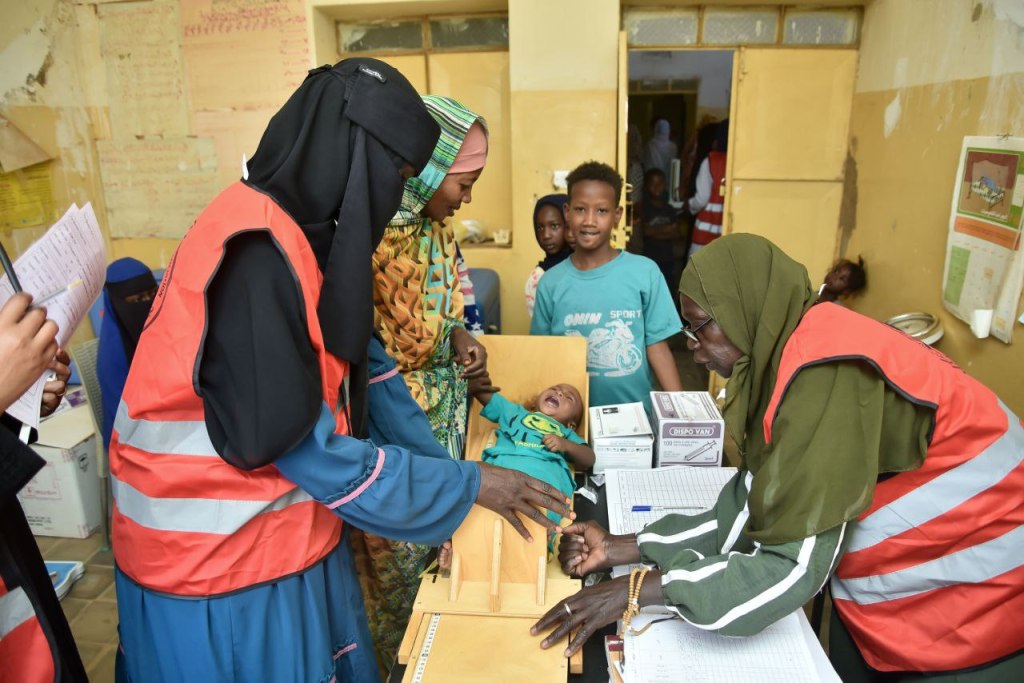
Dr. Safaa’s work is now part of a broader initiative led by SAPA in partnership with Every Pregnancy. The collaboration focuses on rebuilding maternal and newborn care systems across vulnerable regions of Sudan.
According to program representatives, the initiative provides comprehensive maternal health support, including antenatal monitoring, skilled delivery services, infection prevention, postnatal follow-up, newborn screening, and emergency referrals.
Medical experts note that the majority of maternal deaths worldwide are preventable when safe delivery environments, skilled birth attendants, and emergency obstetric interventions are available. In conflict-affected areas, the absence of sterilized tools, medications, and referral systems significantly increases maternal and neonatal mortality rates.
The partnership aims to close these gaps through coordinated supply distribution and facility reinforcement.
Across supported hospitals, essential resources include sterilization materials, personal protective equipment, IV fluids, obstetric medications, neonatal stabilization tools, and infection prevention kits. These supplies directly support frontline professionals like Dr. Safaa, enabling them to respond to complications such as hemorrhage, obstructed labor, infection, and newborn respiratory distress.
The Financial Framework Supporting the Initiative
To sustain operations, SAPA has structured defined contribution levels that directly correspond to medical needs on the ground.
According to program data:
- A $25 contribution supports basic delivery tools and sterilization materials for one mother and newborn.
- A $50 donation provides personal protective equipment, disinfectants, and sterilization supplies to create a safer birth environment.
- A $75 contribution helps supply life-saving obstetric medications and IV fluids required during delivery emergencies.
- A $100 gift covers essential medicines, sterilization tools, and newborn supplies for one complete safe delivery package.
- A $150 donation provides critical neonatal medications and consumables for newborns experiencing complications.
- A $250 contribution supports monitoring tools, resuscitation equipment, and emergency interventions benefiting multiple newborns.
- A $500 contribution helps fund major delivery equipment, emergency medications, and sterilization supplies capable of supporting multiple mothers and infants.
Program coordinators state that these structured levels allow supporters to understand how contributions translate into measurable medical support. With delivery volumes exceeding 100 births daily in some facilities, sustained funding is considered essential to prevent supply interruptions.
DONATE NOW
Maternal Health as a Foundation for Community Stability
Healthcare analysts argue that maternal health in crisis settings extends beyond immediate medical intervention. When mothers survive childbirth safely and newborns receive timely care, families remain intact and long-term recovery becomes more achievable.
At Al-Saudi Maternity Hospital, the combination of frontline commitment and external support illustrates this intersection. Dr. Safaa and her colleagues provide direct clinical care under demanding circumstances, while SAPA and Every Pregnancy reinforce the medical infrastructure required to sustain that care.
Despite restored services, capacity challenges persist. Bed shortages, supply pressure, and ongoing instability continue to test the system’s resilience. Yet deliveries continue.
As maternal health efforts expand, program leaders emphasize that sustained engagement from the international community will determine whether these gains can be maintained.