
10 Interesting Facts About Ramadan You Should Know
 Waleed
Ramadan is one of the most sacred months in the Islamic calendar, observed by over a billion Muslims worldwide. While many people associate Ramadan primarily with fasting from dawn to sunset, the month is far richer in meaning, history, and spiritual depth. It is a time of self-discipline, generosity, reflection, and deep compassion for those facing hardship.
In today’s world, where millions of families are displaced, hungry, or without access to healthcare, understanding the true essence of Ramadan becomes even more important. Interesting facts about Ramadan will help you better understand why this month holds such profound spiritual and humanitarian significance.
>> Related Post: Ramadan in Islam: Insights from the Quran and Hadith
10 Interesting Facts About Ramadan:
1. Ramadan Is the Ninth Month of the Islamic Lunar Calendar
One of the most important facts about Ramadan is that it follows the Islamic lunar calendar, not the Gregorian calendar. Because the lunar year is approximately 10–11 days shorter, Ramadan shifts earlier each year. This means Muslims may fast during long summer days in some years and shorter winter days in others. This variation emphasizes that Ramadan is not tied to comfort or convenience. Instead, it is about consistency in faith, patience, and devotion, regardless of external circumstances.
2. Fasting During Ramadan Is One of the Five Pillars of Islam
Among the most essential Ramadan facts is that fasting (Sawm) is one of the Five Pillars of Islam, the core acts of worship that structure a Muslim’s faith and practice. Adult Muslims abstain from food, drink, and other physical needs from dawn (Suhoor) until sunset (Iftar).
However, fasting is not only physical. Muslims are encouraged to avoid negative speech, harmful behavior, and distractions from spiritual growth. The goal is purification of the soul and strengthening one’s relationship with God. Those who are ill, pregnant, traveling, elderly, or facing hardship are exempt, highlighting Islam’s emphasis on mercy and compassion.
3. Ramadan Commemorates the Revelation of the Qur’an
Another deeply meaningful entry among the 10 facts about Ramadan is its connection to the Qur’an. Muslims believe the first verses of the Qur’an were revealed to Prophet Muhammad (peace be upon him) during Ramadan.
As a result, Ramadan is closely associated with increased Qur’an recitation, reflection, and learning. Many Muslims aim to complete the entire Qur’an during the month, either individually or through nightly prayers known as Tarawih. This spiritual focus encourages self-reflection, ethical living, and a renewed commitment to justice and compassion.
4. The Fast Is Broken Daily With Iftar
Iftar, the meal eaten at sunset to break the fast, is a cherished daily ritual. Traditionally, Muslims break their fast with dates and water, following the practice of the Prophet Muhammad (peace be upon him). Beyond nourishment, Iftar is a moment of gratitude, family connection, and generosity. Communities often gather to share meals, and many families prepare extra food for neighbors or those in need. For humanitarian organizations, Iftar becomes an opportunity to provide warm meals to displaced and vulnerable families, restoring dignity during a sacred time.
5. Ramadan Emphasizes Charity, Compassion, and Social Justice
One of the most powerful interesting facts about Ramadan is how deeply the month emphasizes giving. Muslims are encouraged to increase acts of charity (Sadaqah) and fulfill obligatory almsgiving (Zakat), which supports the poor, widows, orphans, and those facing hardship.
Ramadan serves as a reminder that fasting is incomplete if it does not lead to empathy for those who experience hunger every day by circumstance. This spirit of generosity drives global humanitarian efforts during Ramadan, especially for communities affected by conflict, displacement, and poverty.
>> Related Post: 5 Good Deeds to Do in Ramadan for Maximum Reward
6. Laylat al-Qadr: A Night Better Than a Thousand Months
Among all facts about Ramadan, Laylat al-Qadr (the Night of Power) holds extraordinary significance. Believed to fall within the last ten nights of Ramadan, this night commemorates the moment the Qur’an was first revealed.
Worship performed on Laylat al-Qadr is considered more rewarding than worship performed over a thousand months. Muslims spend these nights in prayer, reflection, and supplication, seeking forgiveness and mercy. The emphasis on this night reinforces the values of humility, hope, and spiritual renewal.
7. Ramadan Is Observed Differently Across Cultures
While the core practices of Ramadan are universal, cultural traditions vary widely. From special foods and community prayers to charity initiatives and nightly gatherings, each region adds its own flavor to Ramadan observance. Despite these differences, the essence remains the same: faith, discipline, generosity, and care for others. This shared purpose unites Muslims across borders, languages, and cultures, especially in times of global crisis.
8. Fasting Builds Empathy for the Less Fortunate
A crucial yet often overlooked Ramadan fact is how fasting builds empathy. Experiencing hunger and thirst, even temporarily, helps people better understand the daily struggles of those living in poverty. For millions of families affected by war and displacement, hunger is not symbolic; it is constant. Ramadan encourages believers to turn empathy into action by supporting humanitarian aid, food security programs, and medical relief efforts.
9. Ramadan Is a Time for Healing, Reflection, and Renewal
Beyond fasting, Ramadan is a time for self-improvement. Muslims focus on repairing relationships, seeking forgiveness, and breaking harmful habits. It is a spiritual reset and a chance to realign life with purpose and values. This emphasis on renewal extends beyond individuals to communities, inspiring collective responsibility for social welfare and human dignity.
10. Ramadan Inspires Global Humanitarian Action
The final entry in these 10 interesting facts about Ramadan highlights its global humanitarian impact. Ramadan consistently inspires some of the highest levels of charitable giving each year. From food distributions and medical camps to emergency relief and refugee support, Ramadan mobilizes communities worldwide to respond to suffering with compassion and urgency.
>> Related Post: 5 Best Ramadan Charities to Donate to in 2026
Fastest & Securest Way to Pay RAMADAN Donations ONLINE👇
Supporting Lives This Ramadan With SAPA
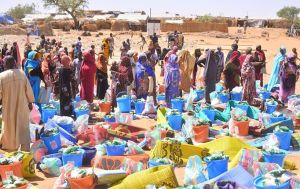
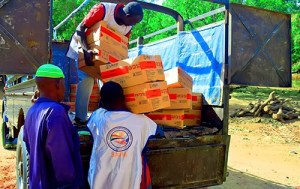
The Sudanese American Physicians Association (SAPA) is dedicated to improving health outcomes and delivering lifesaving aid to vulnerable communities, particularly those affected by conflict and displacement. During Ramadan, SAPA intensifies its efforts to provide warm iftar meals, food packages, medical assistance, and essential healthcare services to families impacted by the ongoing crisis in Sudan. These initiatives are rooted in the very values Ramadan teaches including, mercy, generosity, and human dignity.
FAQs
1. What is Ramadan and why is it important?
Ramadan is the ninth month of the Islamic calendar, observed through fasting, prayer, and charity to promote spiritual growth and compassion.
2. Who is required to fast during Ramadan?
Adult Muslims who are healthy and able are required to fast, while exemptions exist for illness, pregnancy, travel, and hardship.
3. What are Suhoor and Iftar?
Suhoor is the pre-dawn meal before fasting begins, and Iftar is the meal at sunset to break the fast.
4. Why does Ramadan change dates every year?
Ramadan follows the lunar calendar, which is shorter than the Gregorian calendar.
5. What is Laylat al-Qadr?
Laylat al-Qadr is the Night of Power, when the Qur’an was first revealed and worship is especially rewarded.
6. Why is charity emphasized during Ramadan?
Ramadan encourages generosity to support the poor and vulnerable, reinforcing empathy and social justice.
7. How does fasting promote empathy?
Fasting helps people understand hunger and hardship, motivating them to help those in need.
8. How does SAPA help during Ramadan?
SAPA provides food aid, medical care, and humanitarian support to families affected by the crisis, especially in Sudan.