
SAPA and UNICEF’s Life-Changing Aid for Malnourished Children like Hashim in Omdurman
-
by
 Waleed
 - No Comments on SAPA and UNICEF’s Life-Changing Aid for Malnourished Children like Hashim in Omdurman
 Waleed
In the sprawling city of Omdurman, within Khartoum State, the capital region of Sudan, countless families are caught in the crossfire of ongoing conflict and profound humanitarian disaster. Children, especially, bear the harshest burdens, vulnerable to displacement, hunger, and disease.
Among the 25 primary health centers actively supported by the Sudanese American Physicians Association (SAPA) in partnership with UNICEF through the Sudan Health Assistance and Response to Emergencies (SHARE) Project, stories of hope are quietly emerging. One such story is that of little Hashim, a boy whose journey from malnourishment to recovery illustrates the life-saving impact of this dedicated healthcare initiative.
>> Related Post: Mobile Health Clinics: Importance, Benefits & Effectiveness
The Stark Reality of Malnutrition in Omdurman
Sudan is grappling with one of the largest displacement crises worldwide. Families displaced by violence frequently relocate to urban centers like Omdurman. However, while the city offers comparative safety, it also brings overcrowding and intense pressure on healthcare resources.
Malnutrition, especially in children under five, is a silent but deadly crisis, weakening their immune systems, impairing growth, and increasing susceptibility to fatal diseases. The disruption of food supplies, clean water access, and essential health services exacerbates the problem.
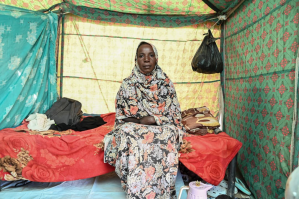
Hashim’s family fled their home in Umbadda due to escalating violence and sought refuge in the Al-Fitehab neighborhood. When Hashim arrived at the Abu Said Health Center with his sister, it was evident he was severely malnourished and in urgent need of care.
>> Related Post: Saving Lives One Dose at a Time: Mayar’s Immunization Story in Khartoum
How SAPA and UNICEF are Changing Lives
SAPA, partnering with UNICEF under the SHARE Project, is vital in addressing these urgent healthcare needs. The project’s focus is on supporting primary health centers in Omdurman, enabling them to provide essential services including nutritional screening, treatment, vaccinations, and maternal care.
At the Abu Said Health Center, medical staff conducted a thorough examination of Hashim. Immediately, he was started on a specialized treatment plan combining medical intervention and nutritional support. Within days, his condition began to improve, a powerful testament to the effectiveness of early detection and comprehensive care.
>> Related Post: 4,000 Daily Meals for Tawila Families Reflect SAPA’s Commitment to Relief
The SHARE Project: A Lifeline for Vulnerable Children
The SHARE Project represents more than just healthcare; it symbolizes resilience and recovery. By strengthening existing health infrastructure and integrating emergency response mechanisms, SHARE ensures that health centers can withstand the pressures of conflict and displacement while continuing to serve their communities.
Key elements of the SHARE Project include:
– Nutritional Support: Identification and treatment of malnutrition with therapeutic foods and supplements.
– Medical Care: Vaccinations, disease management, and maternal health services to protect children and families.
– Clean Water & Sanitation: Initiatives to reduce disease transmission and improve hygiene.
– Community Engagement: Educating families about nutrition, disease prevention, and safe childcare practices.
Why Omdurman is a Strategic Focus Area
Omdurman, Sudan’s largest city by population, hosts many displaced families who fled violence in regions like Darfur and Blue Nile. These communities often live in informal settlements or overcrowded neighborhoods where access to healthcare is scarce.
Supporting Omdurman health centers means reaching a highly vulnerable population of families with limited resources, few options, and urgent health needs. SAPA and UNICEF’s efforts here ripple out, preventing preventable deaths and fostering healthier futures for thousands of children.
>> Related Post: Top 10 Poorest Countries in the World in 2026 [GDP per Capita]
Measuring Impact: From Hundreds to Thousands Saved
SAPA’s collaboration extends beyond health centers:
- Treated over 424,000 patients across Sudan.
- Distributed more than 1,153,410 meals, especially to malnourished children and displaced families.
- Provided healthcare to more than 59,000 children under five.
- Deployed 36 mobile clinics to reach the most remote and vulnerable populations.
>> Related Post: Bahri Hospital’s Golden Days with 100,000 Outpatient Visits Annually: A Vision for Restoration
How You Can Help Malnourished Children Like Hashim
The crisis in Sudan is vast, but your support makes an immediate, measurable difference:
- Keep health centers stocked with essential medicines and nutrition aids.
- Expand nutritional screening and therapy to more children.
- Strengthen healthcare outreach and education programs.
- Provide clean water and sanitation to prevent recurring illness.
Every child deserves the chance to grow healthy and strong. Through SAPA and UNICEF’s SHARE Project, stories like Hashim’s illuminate a path from despair to hope, powered by compassion and global solidarity.
Become part of this life-saving mission. Donate, volunteer, or share today to ensure no child in Omdurman or beyond faces malnutrition alone.
FAQs
1. What is the Sudan Health Assistance and Response to Emergencies (SHARE) Project, and how does it help children like Hashim?
The SHARE Project is a collaboration between SAPA and UNICEF focused on supporting primary health centers in Omdurman, Khartoum State. It provides nutritional support, essential medical care, vaccinations, and emergency response to displaced and vulnerable children suffering from malnutrition and other health risks.
2. How does SAPA’s partnership with UNICEF improve healthcare access in Omdurman and Khartoum State?
SAPA and UNICEF work together to support 25 primary health centers, ensuring they have the necessary medical staff, supplies, and nutritional programs. This joint effort increases access to life-saving treatments and preventive care for displaced families and reduces childhood malnutrition and disease risks.
3. Why is malnutrition such a serious issue for children in conflict-affected areas like Omdurman?
Malnutrition weakens children’s immune systems, stunts growth, and increases susceptibility to diseases. In conflict zones, food insecurity, poor sanitation, and disrupted healthcare services compound these risks, making early nutritional intervention critical to survival and healthy development.
4. How can donations to SAPA and UNICEF directly support treatment for malnourished children in Sudan?
Donations fund therapeutic foods, medical treatments, clean water provision, and healthcare worker training at health centers. These resources enable timely diagnosis and support for children like Hashim, helping them recover from malnutrition and preventing life-threatening complications.
5. What ongoing challenges do displaced families in Omdurman face, and how does SAPA address them?
Displaced families face overcrowded living conditions, limited clean water, poor sanitation, and scarce medical resources. SAPA’s efforts focus on strengthening healthcare infrastructure, nutrition programs, vaccination coverage, and community education to address these multifaceted challenges.
6. Can supporting SAPA’s health centers help prevent future malnutrition cases in Sudan?
Yes. By providing consistent nutritional screening, medical care, and health education, SAPA helps detect early signs of malnutrition and prevent progression. Additionally, improvements in water, sanitation, and hygiene reduce disease transmission, indirectly lowering malnutrition rates.
7. How does the SHARE Project contribute to Sudan’s long-term health system recovery?
Beyond emergency aid, SHARE invests in health system resilience by mentoring healthcare workers, improving supply chains, enhancing disease surveillance, and supporting maternal and child health programs, laying a foundation for sustainable healthcare improvements in Sudan.