Human Rights Group Advocates for Global Force to Safeguard Sudanese Citizens
-
by
 mahnoor
 - No Comments on Human Rights Group Advocates for Global Force to Safeguard Sudanese Citizens
 mahnoor
Sudan is grappling with one of its worst humanitarian crises in decades as violence escalates between the Sudanese Armed Forces (SAF) and the Rapid Support Forces (RSF). The conflict, which began in April 2023, has devastated communities, leaving a trail of destruction, death, and displacement.
Al Jazirah state has become a focal point of the turmoil, witnessing a surge in attacks targeting civilians. In response to the escalating atrocities, Human Rights Watch (HRW) and other NGOs have made a compelling call for international intervention, advocating for a global force to protect Sudanese citizens and restore a semblance of stability.
>> Related Post: The Sudan Conflict: A Comprehensive Analysis
Background of the Conflict
The Sudanese conflict originated as a power struggle between General Abdel Fattah al-Burhan, leader of the SAF, and Mohamed Hamdan Dagalo, commonly known as Hemeti, commander of the RSF. What began as a dispute over military and political control has spiraled into a devastating war that has claimed over 61,000 lives and displaced more than 9.5 million people.
Neighboring nations have also felt the strain as over 2 million refugees flee the violence. Sudanese civilians are caught in the crossfire, enduring widespread human rights abuses, including indiscriminate killings, sexual violence, and forced displacements, underscoring the urgent need for international intervention.
>> Related Post: Sudan Flooding: Latest Updates on the Flood in Sudan
Recent Escalation in Al Jazirah State
The violence in Sudan has intensified, with Al Jazirah state becoming a new epicenter of atrocities. In October 2024, following the defection of an RSF commander to the SAF, the Rapid Support Forces launched a series of retaliatory attacks across more than 30 towns and villages in the region. These assaults have been characterized by grave human rights violations, including targeted killings, unlawful detentions, and widespread sexual violence.
Reports detail at least 169 civilian deaths, with women and girls as young as 10 among the victims of 25 documented cases of rape and gang rape. Entire communities have been uprooted, with over 135,400 people forced to flee their homes in search of safety. This wave of violence underscores the RSF’s deliberate targeting of civilians, intensifying the already dire humanitarian crisis.
International Response and Challenges
The international community has been slow to respond to the escalating crisis in Sudan. The United Nations Security Council (UNSC) has expressed concern over the ongoing conflict but has yet to take decisive action to establish a ceasefire to address the worsening humanitarian situation. While various countries and organizations have called for immediate humanitarian aid and ceasefires, a cohesive strategy to deploy an international protection force remains elusive.
Mobilizing an international protection mission is fraught with challenges. Geopolitical considerations, such as differing interests among UNSC member states, complicate consensus on intervention. Some nations fear that involvement could deepen regional instability or draw resources away from other global priorities.
Additionally, the financial and logistical demands of deploying and maintaining such a force are significant, particularly given the scale and complexity of the conflict. These obstacles have left Sudanese civilians with limited protection and an uncertain future.
>> Related Post: Top 10 International NGOs in the World in 2025
Implications for Sudanese Civilians
Deploying an international protection force could offer vital benefits for the safety and security of Sudanese civilians. Such a force would likely deter further atrocities, provide critical protection for vulnerable populations, and facilitate the delivery of humanitarian aid. It could also support local efforts to lay the groundwork for a more stable peace process.
However, international intervention is not without risks and limitations. Past missions in conflict zones have sometimes struggled with insufficient resources, unclear mandates, or unintended consequences, including prolonging or exacerbating hostilities. In Sudan’s case, there is also the risk of resistance from warring factions, potentially leading to heightened violence. Despite these challenges, the dire situation on the ground underscores the urgency of taking decisive action to mitigate the suffering of Sudan’s civilian population.
>> Related Post: What Causes Climate Change in Sudan
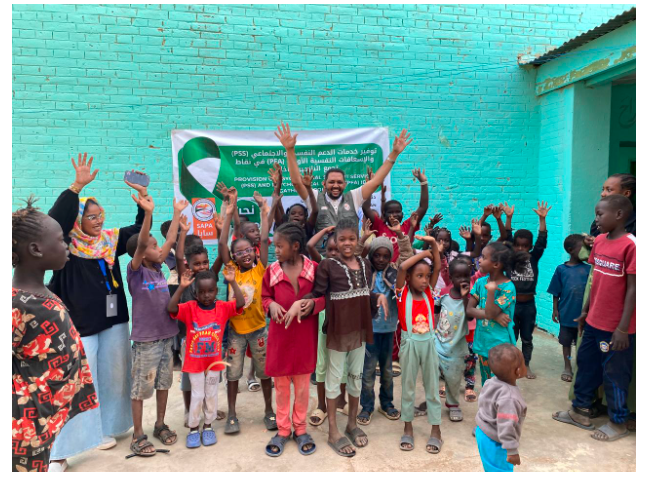
SAPA’s Initiatives in Response to the Sudanese Conflict
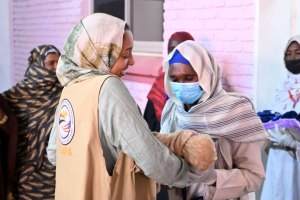
- Medical Missions: SAPA facilitates medical missions to provide healthcare services to displaced individuals. These missions focus on delivering urgent medical care, including treatments for injuries, infections, and chronic conditions exacerbated by the conflict.
- Fundraising Campaigns: Through its ongoing fundraising campaigns, SAPA raises vital funds to provide emergency aid, including food, water, shelter, and healthcare supplies to those displaced by violence.
- Advocacy and Awareness: SAPA works to raise global awareness about the Sudanese crisis, urging the international community to take action and support humanitarian efforts on the ground. The organization’s advocacy also calls for policy changes that prioritize the protection and welfare of Sudanese civilians.
>> Related Post: Best Sudanese Charities to Donate to
Conclusion
Sudan’s escalating crisis demands urgent and decisive global action. The widespread violations, particularly in regions like Al Jazirah and Gezira, have inflicted unimaginable suffering on civilians, with targeted killings, sexual violence, and mass displacement creating a dire humanitarian emergency. SAPA’s ongoing efforts provide critical support to Sudanese civilians, addressing their medical and humanitarian needs.
While significant challenges exist in mobilizing an international force, the potential benefits far outweigh the risks. A well-implemented mission could deter atrocities, provide critical security, and pave the way for long-term peace and stability. The global community must rise to this challenge, prioritizing the protection of civilians and reaffirming its commitment to human rights. Inaction is not an option; the time to act is now.
FAQs
- How does SAPA collaborate with other organizations to address the Sudanese crisis?
SAPA partners with global humanitarian organizations, medical professionals, and advocacy groups to provide a coordinated response to the crisis in Sudan. Through these partnerships, SAPA helps facilitate the delivery of medical aid, raise awareness, and advocate for policy changes to protect civilians in Sudan. - What specific initiatives has SAPA launched in response to the Sudanese conflict?
SAPA has launched several initiatives, including organizing medical missions to provide healthcare to displaced individuals, raising funds to support Sudanese families, and hosting advocacy events. These initiatives aim to provide both immediate relief and long-term solutions for those affected by the ongoing conflict. - How can SAPA help in the context of global calls for intervention in Sudan?
SAPA is actively advocating for international intervention to protect Sudanese civilians and to ensure that adequate humanitarian aid reaches those in need. The organization works to raise awareness about the crisis, calls for action from global leaders, and mobilizes support for intervention and peace-building efforts.