
Is Sudan Safe To Travel? Risks & Recommendations
 sapa
sapaSudan, a country steeped in rich history and cultural heritage, has long been a destination that captures the imagination of intrepid travelers. However, concerns about safety often cast a shadow over the allure of exploring this diverse nation due to a Civil War in Sudan. In this blog, we delve into the question: Is Sudan safe to travel? We will navigate through the myths, realities, and practical tips to help you make an informed decision about visiting this unique and enigmatic destination.
Understanding the Sudan Travel Concerns
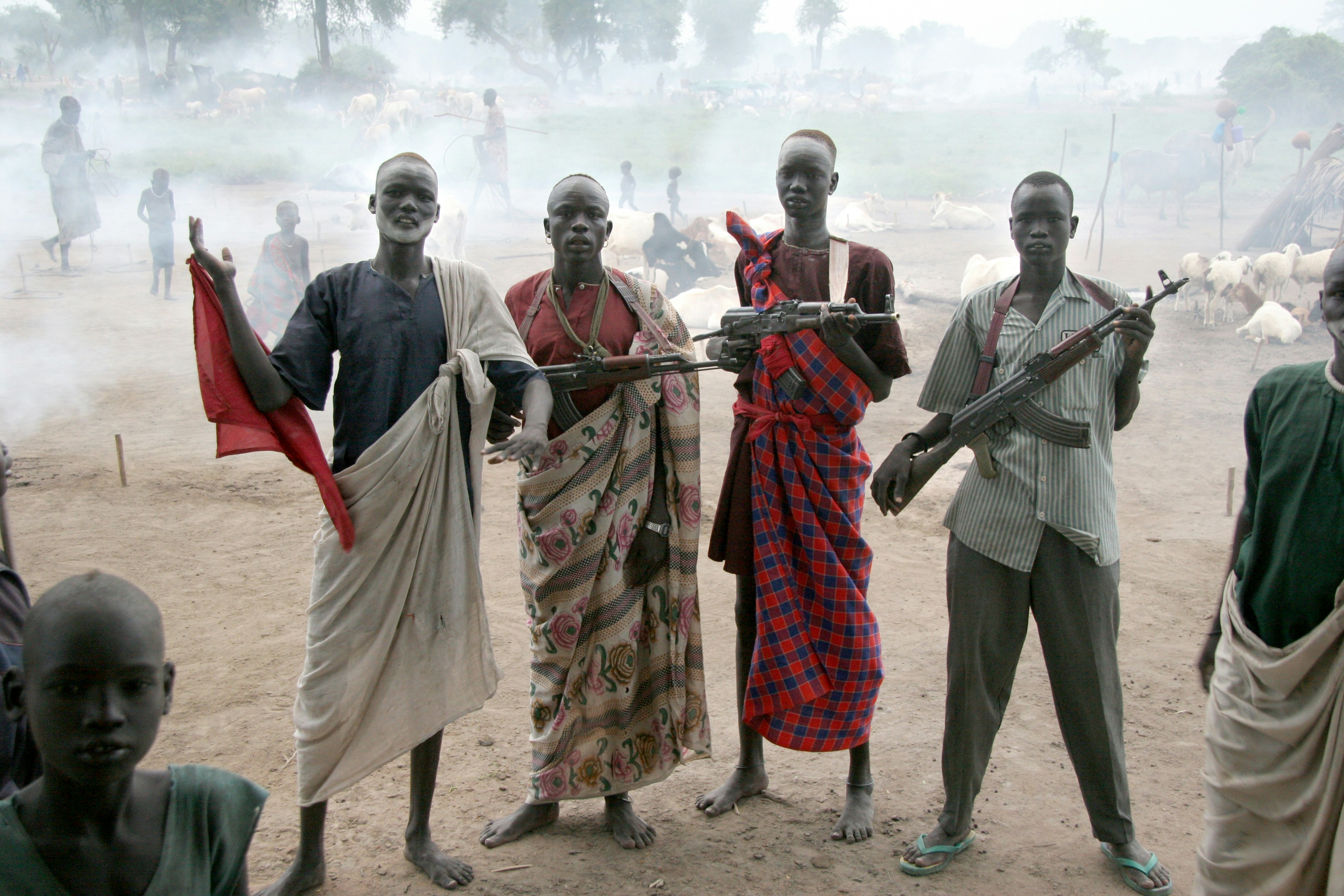
Myth: Sudan is Constantly Engulfed in Conflict
Reality: While there has been a Crisis in Sudan, it’s essential to recognize that the situation is dynamic and has significantly evolved. The Comprehensive Peace Agreement in 2005 marked a turning point, leading to the independence of South Sudan. The political landscape has since seen changes, and many regions of Sudan are now stable and safe for travel.
Myth: Sudan is Unsafe Due to Terrorism
Reality: Like many countries globally, Sudan has faced challenges related to terrorism. However, the government has taken measures to address these issues, and the overall security situation has improved. Popular tourist destinations, including Khartoum, have seen increased stability, and the country has not been a prominent target for terrorist activities in recent years.
Myth: Sudan is Plagued by Widespread Crime
Reality: While no destination is entirely devoid of crime, Sudan is generally considered safe for travelers. Petty crimes like pickpocketing can occur in crowded areas, as is the case in many cities worldwide. However, violent crime directed at tourists is rare. Adhering to common-sense safety practices, such as keeping valuables secure and being aware of your surroundings, can significantly mitigate any risks.
Related Post: Is Sudan a Poor Country?
Travel Recommendations for Sudan in 2026
Sudan, a land shrouded in ancient mysteries and breathtaking landscapes, awaits adventurous travelers seeking to traverse beyond the beaten path. While safety requires careful consideration (refer to my previous response on Sudan’s security situation), for those willing to venture beyond the warnings, Sudan unveils a tapestry of wonders waiting to be experienced.
Embracing History:
- Pyramids of Meroe: Step back in time amidst the ancient Nubian pyramids, rivals to their Egyptian counterparts, towering in the desert sands near Atbara. Witness the majestic ruins of temples, royal tombs, and intricate reliefs whispering tales of a glorious civilization.
- Jebel Barkal: Immerse yourself in the UNESCO World Heritage site of Jebel Barkal, an ancient religious center boasting pyramids, temples dedicated to the Amun god, and the ruins of the once-thriving city of Napata.
- Khartoum National Museum: Unveil the treasures of Sudan’s rich history at the Khartoum National Museum. From Nubian artifacts and Islamic calligraphy to stunning pharaonic sculptures, embark on a journey through millennia of vibrant cultures.
Natural Splendor:
- Red Sea Coast: Dive into the azure waters of the Red Sea, a paradise for snorkelers and divers. Discover vibrant coral reefs teeming with marine life, explore stunning coral gardens, and unwind on pristine beaches basking in the warm sunshine.
- Dinder National Park: Embark on a safari adventure in Dinder National Park, home to a diverse array of wildlife including elephants, lions, giraffes, and rare birds. Witness the breathtaking vistas of the Dinder River flowing through savannas and acacia woodlands.
- Nuba Mountains: Trek through the verdant Nuba Mountains, a hidden gem boasting cascading waterfalls, lush valleys, and breathtaking panoramas. Discover ancient rock paintings and connect with the warm hospitality of the local communities.
Cultural Encounters:
- Sufi Whirling Dervishes: Witness the mesmerizing spectacle of the Sufi Whirling Dervishes in Omdurman. Immerse yourself in the rhythmic chants and graceful twirling movements, a centuries-old tradition connecting spirituality with artistic expression.
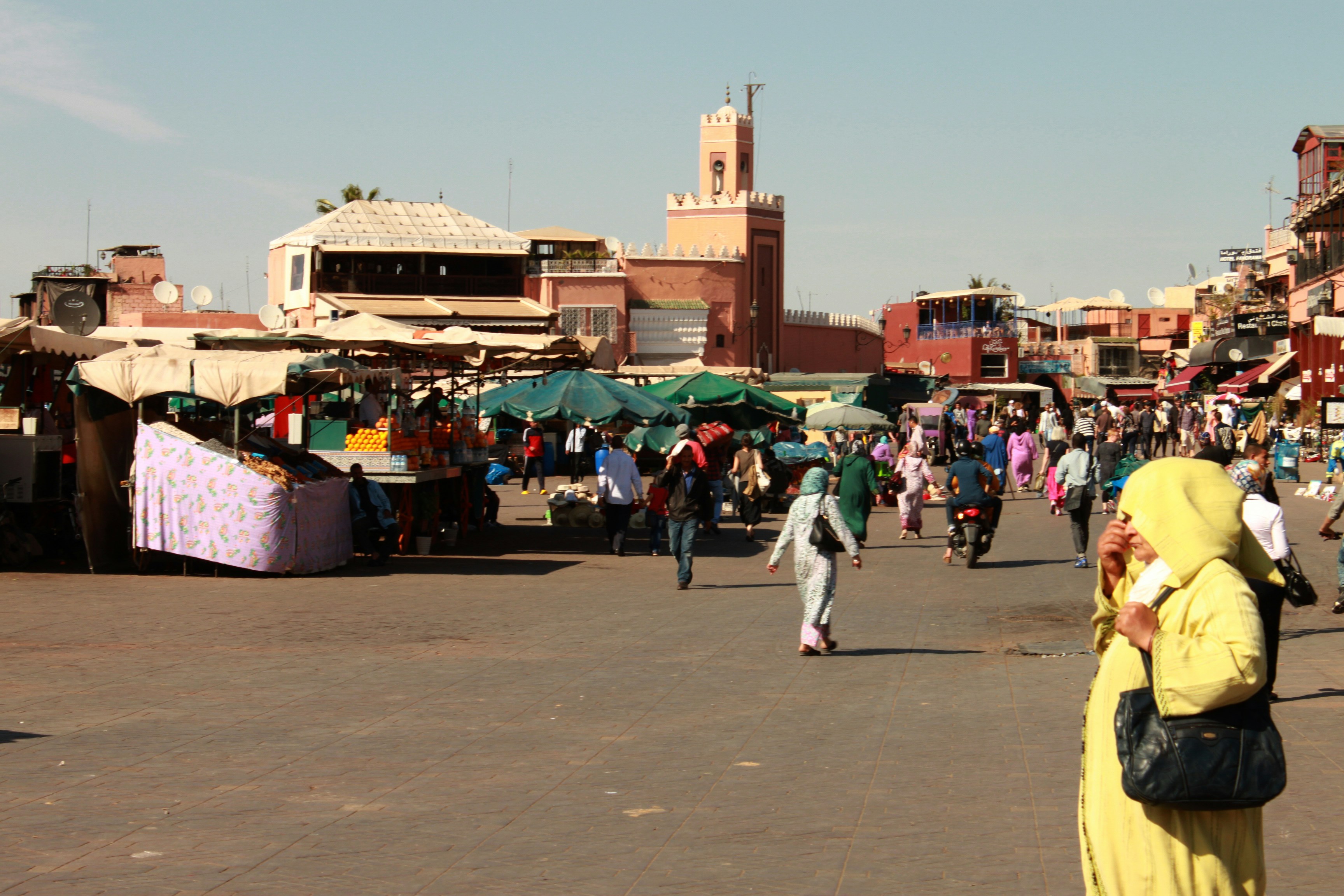
- Traditional Markets: Explore the vibrant souks of Khartoum and Omdurman, brimming with colorful fabrics, spices, handcrafted wares, and local delicacies. Haggle with friendly vendors, soak in the bustling atmosphere, and discover the hidden gems of Sudanese craftsmanship.
- Nubian Villages: Venture into the traditional Nubian villages of Kerma and Faras. Experience the warm hospitality of the Nubian people, learn about their unique culture and customs, and savor their delicious cuisine.

Practical Tips for Safe Travel in Sudan:
– Stay Informed
Before traveling to Sudan, it’s crucial to stay informed about the current situation. Regularly check travel advisories from reputable sources, and be aware of any specific considerations for the regions you plan to visit.
– Respect Local Customs
Respecting local customs is essential in any foreign destination. In Sudan, a predominantly Muslim country, it’s advisable to dress modestly, particularly in more conservative areas. Understanding and following local customs demonstrate cultural sensitivity and contribute to a positive travel experience.
– Engage Local Guides
Engaging local guides can enhance your travel experience in Sudan. Not only do they provide valuable insights into the culture and history, but they also offer an added layer of security and navigation assistance in unfamiliar areas.
– Choose Reputable Accommodations
Opt for reputable accommodations with positive reviews. Well-established hotels and guesthouses that cater to international tourists often prioritize safety and security, providing a comfortable and secure base for your explorations.
– Transportation Safety
Exercise caution when using public transportation, particularly in crowded areas. Arrange transportation through reputable providers and be vigilant with personal belongings. Hiring a trusted driver or using well-regulated transportation services adds an extra layer of security.
– Connecting with Locals
One of the most enriching aspects of travel in Sudan is the opportunity to connect with locals. Sudanese people are known for their warmth and hospitality. Engaging in conversations, sharing meals, and participating in local events can provide a deeper understanding of the culture and foster positive interactions.
Conclusion
So, Is Sudan safe to travel? The answer is nuanced. While challenges persist like Hunger in Sudan and Water for South Sudan, It has made significant strides in improving overall security, and many regions are deemed safe for travelers. As with any travel destination, informed decision-making, awareness of local customs, and adherence to safety practices are crucial.
If you’re a traveler seeking unique cultural experiences, historical wonders, and natural beauty off the beaten path, Sudan holds the promise of an unforgettable journey. By navigating through the myths and realities, you can embark on a safe and enriching adventure, discovering the hidden gems that make Sudan a destination worth exploring.
In closing, as you plan your trip to Sudan, remember that a sense of curiosity, respect, and an open mind can go a long way in fostering positive connections and creating lasting memories. Donate to Sudan, To make an impact in the ongoing Sudanese crisis.
FAQs
1. Is Sudan currently safe for tourists to visit in 2026?
Sudan’s safety for travelers in 2026 varies by region. While some areas remain affected by conflict, many parts, including Khartoum and established tourist sites, show increased stability. Travelers should stay updated on the evolving situation via trusted sources and adhere to recommended safety precautions.
2. What are the top historical sites to visit safely in Sudan?
Visitors can safely explore Sudan’s rich historical sites such as the Pyramids of Meroe, the UNESCO World Heritage site of Jebel Barkal, and the Khartoum National Museum. These locations offer profound insights into Sudan’s ancient civilizations within secure and accessible areas.
3. What precautions should travelers take when visiting Sudan?
Travelers should stay informed by regularly monitoring travel advisories, respect local customs such as modest dress codes, engage reputable local guides, choose well-reviewed accommodations, and use safe transportation options to enhance security during their visit.
4. How can tourists experience Sudan’s natural beauty while ensuring safety?
Natural attractions like the Red Sea coast for diving, Dinder National Park safaris, and trekking in the Nuba Mountains are accessible with proper planning and local guidance. Using certified operators and following safety instructions helps ensure a secure experience.
5. How significant is Sudan’s tourism sector economically?
Sudan’s international tourism receipts were about $1.04 billion in 2018, with inbound tourists reaching over 830,000 in that year, signaling potential for growth despite challenges. Reviving tourism supports economic diversification amid ongoing recovery efforts.
6. What cultural experiences can visitors engage in safely in Sudan?
Tourists can safely witness the Sufi Whirling Dervishes, explore colorful traditional markets, and visit Nubian villages where they can engage with hospitable locals and experience authentic Sudanese culture firsthand.
7. How does Sudan’s security situation affect travel insurance?
Due to ongoing conflicts in certain regions, travelers should ensure their travel insurance covers all planned activities and contingency scenarios. Opting for policies that remain valid despite volatile security conditions is crucial to avoid coverage issues.
8. What transportation safety tips are recommended for visitors in Sudan?
Using trusted transportation providers, avoiding overcrowded public transit, securing personal belongings, and hiring local drivers familiar with current conditions are advised to enhance safety during travel within Sudan.
9. How important is understanding and respecting local customs for travel safety in Sudan?
Highly important; Sudan is predominantly Muslim with conservative cultural norms. Modest dressing, polite behavior, and awareness of religious practices contribute to respectful interactions and reduce potential security risks.
10. Where can travelers find up-to-date travel advisories and safety information for Sudan?
Regularly consulting official sources and international organizations helps travelers stay informed of the latest security updates, entry requirements, and safety recommendations.