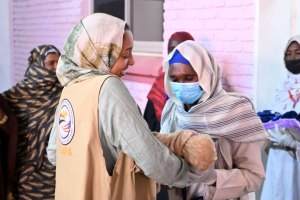

Local Doctors Sustain Sudan’s Healthcare Amid War with SAPA’s Help
 Waleed
In Sudan, war has shattered lives, leaving millions without food, clean water, or healthcare. With nearly half of Khartoum’s hospitals damaged and most doctors fleeing the conflict, local medical teams are the last line of defense against famine and deadly diseases like cholera and malaria. The Sudanese American Physicians Association (SAPA), a one of the best 501(c)(3) nonprofit (EIN: 83-3464851), stands with these heroes, empowering them to save lives under unimaginable conditions.
SAPA is on the ground delivering critical medical aid, food, and clean water while training young doctors to sustain Sudan’s collapsing healthcare system. Find out how SAPA’s support enables local doctors to fight famine and disease, offering hope to millions.
>> Related Post: Sudan: The World’s Largest Displacement Crisis
The Crisis in Sudan’s Healthcare System
Sudan’s ongoing conflict, intensified since April 2023, has devastated its healthcare infrastructure. According to the World Health Organization (WHO), South Sudan’s health system is overwhelmed by cholera, hepatitis E, and polio outbreaks, worsened by flooding and the spillover crisis from Sudan.
In Khartoum, nearly half of the hospitals are non-functional, with medical supplies scarce and staff displaced. The United Nations reports imminent famine near Khartoum due to destroyed farms and blocked food supply routes, leaving millions vulnerable.
Local doctors and volunteers face dire conditions:
- Limited Resources: Hospitals lack electricity, medicines, and clean water.
- Disease Outbreaks: Cholera and malaria spread rapidly in overcrowded, unsanitary conditions.
- Food Insecurity: Families survive weeks without adequate food, risking malnutrition.
Despite these challenges, local medical teams remain committed, and SAPA’s support ensures they can continue their life-saving work.
>> Related Post: Top 10 Countries with the Highest Poverty Rate in the World in 2026
SAPA’s Role in Empowering Local Doctors
Founded in January 2019, SAPA is a not-for-profit organization dedicated to enhancing healthcare access and fostering resilience in Sudanese communities. SAPA’s programs deliver measurable impact. In 2024, SAPA touched:
- 424,000 lives through medical care
- 1,325 Healthcare Professionals Supported Through Incentive Programs
- 875 healthcare professionals trained
Here’s how SAPA empowers local doctors in 2026:
1. Emergency Care on the Ground
When cholera and malaria outbreaks intensified, SAPA acted fast, setting up emergency treatment tents equipped with life-saving beds and medicine. These temporary medical centers allow local teams to deliver immediate care to thousands of patients in war-affected zones.
2. Training and Supporting Local Providers
To prevent the total collapse of the health system, SAPA trains and incentivizes young doctors and nurses to stay and serve in their communities. In 2024 alone, SAPA supported over 1,300 healthcare professionals and trained 875 medical cadres and volunteers. These efforts ensure that care doesn’t stop even when the war makes it nearly impossible.
3. Mobile Clinics in Remote Regions
With roads destroyed and hospitals shuttered, SAPA deploys mobile clinics to reach people who have been entirely cut off. These clinics deliver urgent care, vaccinations, and essential medicines to families that otherwise have no access to health services.
4. Clean Water and Disease Prevention
In response to disease outbreaks, SAPA delivers hygiene kits, clean water tablets, and sanitation education. These simple but powerful tools help stop cholera and other waterborne illnesses from spreading, especially in displaced communities.
Empowering Physicians Through Education & Training
At SAPA, we are committed to strengthening Sudan’s healthcare system by empowering physicians with the knowledge, skills, and resources they need to provide high-quality medical care. Through education, training, and collaboration, we support both physicians in Sudan and those in the Sudanese diaspora who are eager to give back.
Our Initiatives:
1. Continuing Medical Education (CME) & Training
SAPA offers professional development opportunities for doctors, medical students, and healthcare workers through:
- Workshops, seminars, and online sessions
- Hands-on clinical skill development
- Global mentorship with experienced physicians
2. Physician Exchange & Mentorship Programs
By connecting Sudanese physicians with experts from the diaspora, SAPA fosters valuable knowledge exchange and strengthens frontline healthcare delivery.
3. Global Collaboration & Advocacy
We partner with international institutions to engage Sudanese physicians in global health conversations, research projects, and medical missions.
4. Strengthening Healthcare Infrastructure
We ensure medical professionals are equipped to save lives by:
- Supplying hospitals and clinics with essential medical tools
- Supporting telemedicine programs
- Advocating for healthcare development and physician support policies
>> Related Post: Top 501(C)(3) Nonprofit Organizations to Donate to in 2026
A Healthcare System Held Together by Hope
The work is difficult. Dangerous. At times, overwhelming. But SAPA and Sudan’s local doctors press on because giving up is not an option.
This year alone, SAPA has:
- Delivered over 1.15 million meals to vulnerable families
- Provided medical care to 424,000+ patients
- Screened 22,600 children for malnutrition
- Vaccinated 9,741 children under 5
- Deployed 36 mobile clinics to serve communities in crisis
These numbers aren’t just data points. They represent lives touched. Communities stabilized. Futures protected.
>> Related Post: How Many People and Children Starve to Death Every Day?
Conclusion
In Sudan’s war-torn landscape, local doctors are heroes, risking their lives to deliver care amid crumbling hospitals and rampant disease. SAPA’s support, through mobile clinics, hunger relief, WASH programs, and trainin,g empowers these doctors to keep hope alive.
Your donation, time, or voice can save lives. Support SAPA and help Sudan’s doctors sustain healthcare in 2026. Together, we can ensure hope never ends for Sudan’s people.
FAQs
1. Why is it important to support local doctors during a humanitarian crisis like Sudan’s?
Local doctors are uniquely positioned to deliver consistent care in conflict zones. They understand the language, culture, and local health needs. Supporting them ensures that care continues even when international aid is restricted or delayed.
2. What makes SAPA’s approach to medical aid different from short-term relief missions?
While emergency response is critical, SAPA prioritizes capacity-building training and supporting Sudanese healthcare workers to create long-term, sustainable healthcare solutions. This dual focus on emergency aid and education helps prevent systemic collapse.
3. How does SAPA ensure transparency and accountability in its aid programs?
SAPA tracks its impact through documented patient numbers, meal distributions, training sessions, and project reports. As a registered non-profit, SAPA follows best practices in financial reporting and regularly shares outcomes with donors and partners.
4. What is a mobile clinic, and how does it function in a conflict zone?
A mobile clinic is a fully equipped medical team that travels to remote or inaccessible areas to provide essential services. In Sudan, SAPA’s mobile clinics offer vaccinations, maternal care, medications, and referrals, reaching populations with no access to hospitals.
5. How does SAPA decide where to allocate resources in Sudan?
SAPA partners with on-ground volunteers, local health authorities, and global NGOs to identify high-need areas, especially regions where famine, disease, and displacement are most severe. Data-driven assessments help SAPA deliver targeted support.
6. Is SAPA involved in only emergency relief or also long-term development?
Both. SAPA provides urgent medical care during crises and invests in the future by training healthcare professionals, rebuilding health facilities, and launching community-led recovery initiatives that promote resilience beyond the war.