
Saving Lives One Dose at a Time: Mayar’s Immunization Story in Khartoum
 Waleed
In the bustling city of Omdurman, Khartoum State, where challenges of displacement, conflict, and limited healthcare access intersect, a life-changing initiative is quietly transforming childhood. Through the partnership of the Sudanese American Physicians Association (SAPA) and UNICEF under the Sudan Health Assistance and Response to Emergencies (SHARE) Project, children like little Mayar Nizar receive vital immunizations, each a step toward a healthier, safer future.
>> Related Post: Local Doctors Sustain Sudan’s Healthcare Amid War with SAPA’s Help
Meet Mayar: A Story of Hope and Protection
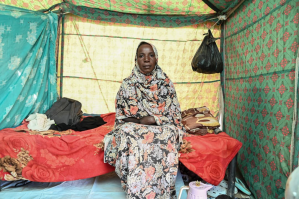
During SAPA’s recent visits to the 25 primary health centers they support across Omdurman Locality, SAPA’s on-ground team met Mayar Nizar. Accompanied by her mother, Fatima, Mayar arrived at the Abu Said Health Center for her vaccination and routine follow-up care.
Despite the upheaval caused by conflict and displacement, Mayar was able to receive all her essential immunization doses in full, a critical shield against life-threatening diseases in a country where vaccination coverage has dramatically declined.
Mayar’s story is a beacon of hope, illustrating how SAPA’s targeted healthcare interventions at the community level save lives, protect children, and strengthen families even amid crisis.
The Importance of Immunization in Sudan’s Humanitarian Crisis
Sudan’s health system, especially in urban hubs like Omdurman, is struggling to serve displaced populations and vulnerable communities. Conflict has slowed vaccine distribution, and coverage rates have plummeted. This gap threatens millions of children with diseases such as measles, polio, diphtheria, and pneumonia.
Immunization is one of the most effective interventions for reducing childhood mortality and preventing epidemics. Every dose contributes to safeguarding a child’s health and the well-being of entire communities.
>> Related Post: Mobile Health Clinics: Importance, Benefits & Effectiveness
The SHARE Project: Supporting Sudan’s Frontline Healthcare
The SHARE Project bolsters 25 health centers like Abu Said by:
- Providing vaccines and cold chain equipment
- Training and supporting healthcare workers
- Conducting outreach and education programs
- Monitoring health outcomes and vaccine uptake
This coordinated approach allows SAPA and UNICEF to overcome challenges like supply chain disruptions and vaccine hesitancy, ensuring immunizations reach children who need them most despite difficult circumstances.
>> Related Post: SAPA Rebuilds Gebisha Hospital to Strengthen Healthcare in Gedaref
Vaccination: A Lifeline for Children and Families
Mayar’s story is a testament to the critical role these vaccines play. Receiving all her immunization doses protects her from potentially fatal illnesses that disproportionately affect children living in displacement and poverty.
Routine immunizations reduce the burden on healthcare systems by preventing illness, lowering hospitalization rates, and increasing survival rates. They also build community resilience in fragile settings.
>> Related Post: Life-Saving Care Arrives in Sudan’s War Zones via SAPA’s Mobile Clinics
How Can You Help Save Sudan’s Children?
Together, we can ensure that no child misses out on lifesaving vaccines due to conflict or displacement. Your generosity empowers SAPA and UNICEF to keep their promise of health and hope.
>> Related Post: SAPA and UNICEF’s Life-Changing Aid for Malnourished Children like Hashim in Omdurman
FAQs
1. How does SAPA and UNICEF’s SHARE Project improve immunization access for children in Omdurman, Khartoum State?
The SHARE Project strengthens 25 primary health centers in Omdurman by providing vaccines, trained healthcare workers, cold chain equipment, and community education, enabling children like Mayar to receive full immunization despite displacement and conflict challenges.
2. Why is immunization coverage declining in conflict-affected areas like Khartoum, and how is SAPA addressing this?
Ongoing conflict disrupts healthcare infrastructure and supply chains, and creates safety concerns limiting vaccine access. SAPA partners with UNICEF to rebuild supply chains, support health workers on the ground, and conduct outreach programs promoting vaccine awareness in vulnerable communities.
3. What are the common vaccine-preventable diseases threatening children in Sudan’s displaced populations?
Children face risks from measles, polio, diphtheria, pneumonia, and whooping cough. Immunization reduces these risks, lowering childhood morbidity and mortality rates, especially in conflict zones where sanitation and healthcare access remain poor.
4. How can supporting vaccination programs through SAPA help save lives in Sudan?
Donations enable the procurement of vaccines, maintain cold storage, train healthcare staff, and run vaccination campaigns in hard-to-reach communities. This holistic support ensures children receive timely doses, helping prevent deadly disease outbreaks in displaced populations.
5. What role do community health centers like Abu Said Health Center play in immunizing displaced children?
They act as critical access points providing routine immunization, health screenings, and education for caregivers. These centers bridge gaps in healthcare access caused by displacement and conflict, making vaccine delivery possible for children like Mayar.
6. How does immunization contribute to long-term health system recovery in Sudan?
Consistent vaccine coverage strengthens community immunity, reduces disease burden, and allows health systems to focus on broader care. Projects like SHARE build local capacity to ensure sustainable healthcare services beyond emergency phases.