The Miraculous Recovery of Qais: Overcoming Acute Malnutrition with SAPA
 mahnoor
Have you ever witnessed a transformation so remarkable it felt like a miracle? In Sudan, a country facing immense challenges, stories of hope and resilience emerge daily. This is the story of Qais, a young boy whose journey from the brink of death to a healthy life is a testament to the incredible work of the Sudanese American Physicians’ Association (SAPA).
The Need for Aid in Sudan
Sudan, a nation rich in history and culture, has been grappling with complex issues for years. Conflict, political instability, and economic hardship have created a dire situation for many families, especially children. One of the most pressing challenges is acute malnutrition, a condition in which a child doesn’t get enough nutrients to survive and thrive.
Role of SAPA in Sudan
This is where SAPA steps in, offering a lifeline to countless Sudanese children suffering from malnutrition. SAPA is a non-profit organization that provides life-saving therapeutic food and medical care to malnourished children. Our work focuses on treating children with severe acute malnutrition (SAM), a critical stage where immediate intervention is crucial.
Read More: SAPA’s Inspiring Projects
The Story of Qais
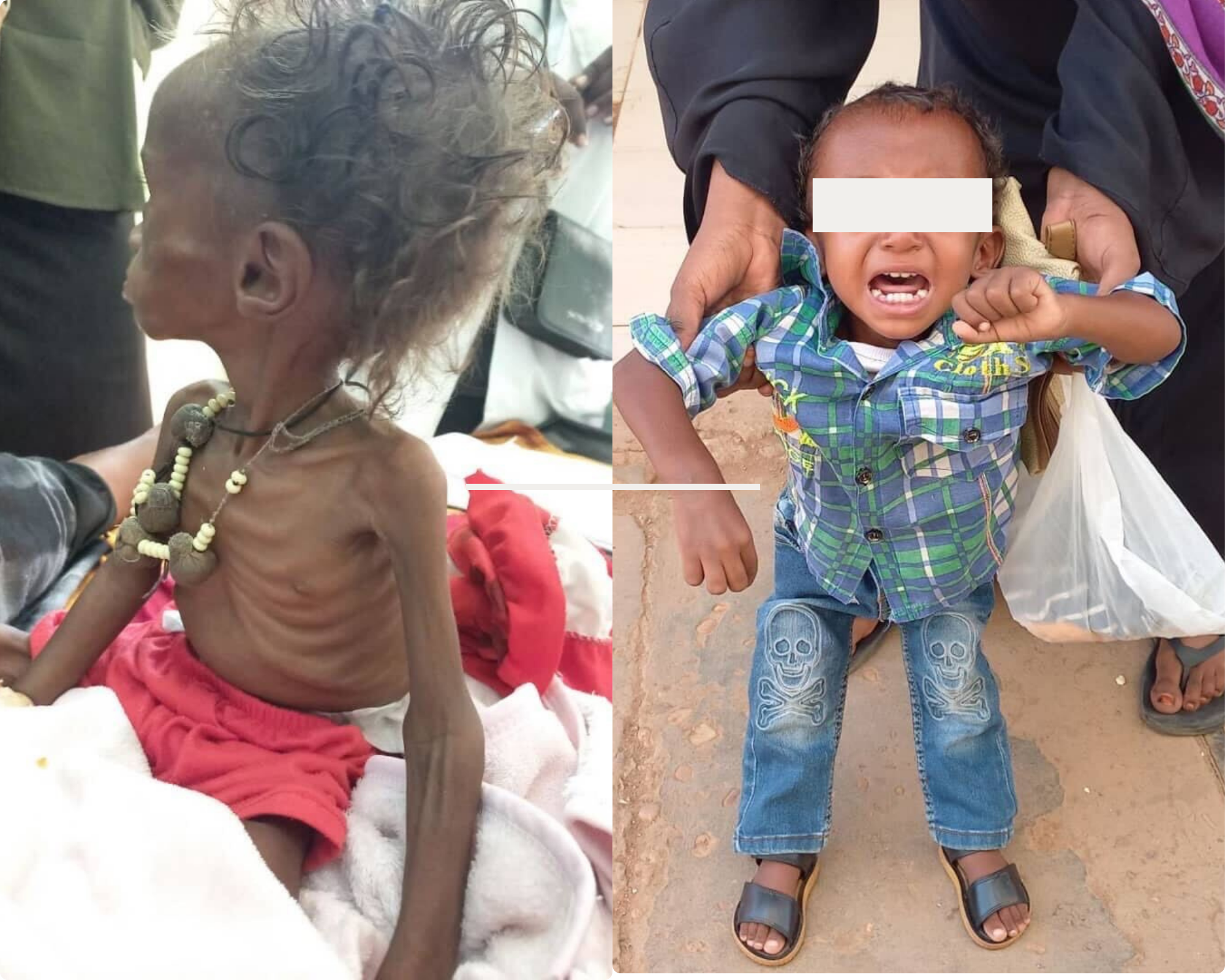
Qais, a young boy with bright eyes with a flicker of fear, arrived at a SAPA treatment center weak and pale. He was a heartbreaking picture of malnutrition, his tiny body ravaged by hunger. His family, troubled and worried, clung to the hope SAPA could offer.
How Did SAPA Contribute to Qais’s Miraculous Recovery?
SAPA’s dedicated team immediately began treating Qais with a specialized therapeutic food called Peanut Butter Paste (PLumpy Nut). This high-calorie, nutrient-rich paste is specifically designed to address the deficiencies caused by malnutrition. Alongside the therapeutic food, Qais received regular medical checkups and supportive care to ensure his body could absorb the nutrients effectively.
The change in Qais was remarkable. Slowly but surely, his frail body began to regain strength. His once sunken cheeks filled out, and a spark of life returned to his eyes. With each passing day, Qais’s playful spirit emerged, bringing smiles to his family’s faces. Support by Sharing Qais Story
SAPA’s Method of Dealing with Malnutrition in Sudan
SAPA’s approach to treating malnutrition goes beyond just providing food. They understand the complexities of this condition and take a holistic approach. Here’s a glimpse into our methods:
- Community Outreach: SAPA works closely with communities to identify children at risk of malnutrition. They train community health workers to recognize the signs and symptoms and educate families about proper nutrition and hygiene practices.
- Treatment Centers: SAPA operates treatment centers across Sudan, equipped with trained medical staff and the necessary supplies to treat children with SAM.
- Medical Care: Alongside the therapeutic food, SAPA offers crucial medical care to address any underlying health issues contributing to malnutrition.
- Family Support: SAPA understands the importance of family involvement. It provides support and education to families to ensure they can continue caring for their child’s nutritional needs after leaving the treatment center.
Conclusion
Qais’s story is common. Thanks to our team’s tireless efforts, countless children in Sudan have found hope and healing. The dedication to providing life-saving treatment and empowering communities symbolizes light in a country facing immense challenges.
FAQs
1. What are the symptoms of malnutrition in children?
Malnutrition can manifest in various ways. Some common signs include weight loss, stunted growth, lack of energy, frequent infections, and pale skin.
2. How can I help children suffering from malnutrition in Sudan?
You can support organizations like SAPA by donating, volunteering, or raising awareness about our work. Every contribution, big or small, can make a real difference in a child’s life.
3. What can I do to prevent malnutrition in my own community?
Educating yourself and others about healthy eating habits and advocating for policies supporting access to nutritious food are impactful ways to prevent malnutrition.