
Life-Saving Care Arrives in Sudan’s War Zones via SAPA’s Mobile Clinics
 Waleed
This is the reality for families in Sudan’s war-torn regions, cut off from hospitals, roads destroyed, and lives at risk. In a country where more than 24 million people face acute humanitarian needs, the Sudanese American Physicians Association (SAPA) is making the impossible possible by bringing healthcare directly to the people.
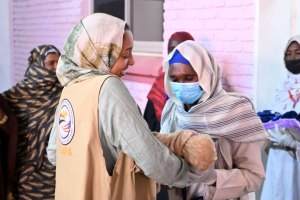
Through SAPA’s mobile clinics, doctors, nurses, and health workers travel deep into crisis zones to reach vulnerable families with lifesaving treatment, vaccines, and medicines. These clinics are a vital response to the collapse of Sudan’s healthcare system, where nearly half of the hospitals are no longer functional, and countless people suffer without access to even basic care.
>> Related Post: Empowering the Next Generation: Girls’ Education in Sudan
The Urgent Need for Mobile Clinics in Sudan
Sudan’s civil war, escalating since April 2023, has crippled its healthcare system. The World Health Organization (WHO) reports that nearly half of Khartoum’s hospitals are non-functional, with 70% of facilities in conflict zones, such as Darfur and Kordofan, out of service.
The United Nations warns of imminent famine near Khartoum, with blocked food routes and destroyed farms exacerbating hunger. Cholera, malaria, and polio outbreaks further strain limited resources, as flooding and displacement create unsanitary conditions.
Key challenges include:
- Inaccessible Healthcare: Remote areas lack hospitals, leaving millions without care.
- Disease Outbreaks: Cholera spreads rapidly in crowded camps that lack access to clean water and sanitation.
- Malnutrition: 22,600 children screened for malnutrition in 2024 face life-threatening hunger.
- Staff Shortages: Many doctors have fled, leaving local teams overwhelmed.
SAPA’s mobile clinics are a lifeline, bringing healthcare directly to those in need where traditional facilities cannot operate.
>> Related Post: Sudan Climate Change: Causes, Impact in 2026
Why Mobile Clinics Are Desperately Needed in Sudan
SAPA’s clinics bridge these gaps, delivering care where it’s needed most. The scale of Sudan’s crisis demands mobile solutions:
- Inaccessibility:
Conflict blocks access to static hospitals, making mobile clinics the only viable option.
- Urgent Outbreaks:
Cholera and malaria require rapid, on-site treatment to prevent epidemics.
- Famine Threat:
Malnutrition weakens communities, increasing healthcare needs.
- Doctor Shortages:
With many professionals displaced, mobile clinics maximize limited staff.
>> Related Post: 5 Types of Donations for Charities & Nonprofit Organizations in 2026
What SAPA’s Mobile Clinics Deliver
In 2024, SAPA deployed 36 mobile clinics across Sudan, delivering services where no hospitals remain standing. These mobile clinics helped treat over 424,000 patients, vaccinated 9,741 children, and screened 22,600 children for malnutrition. These mobile teams provide:
1. Emergency Medical Care
- Treating wounds, infections, and disease
- Providing maternal care and safe deliveries
- Stabilizing patients until referral is possible
2. Vaccinations & Disease Prevention
- Administering vaccines for children under 5
- Distributing oral rehydration salts, antibiotics, and anti-malarial medication
- Educating families on sanitation and disease control
3. Cholera & Malaria Response
- Identifying and isolating cases early
- Distributing clean water tablets, hygiene kits, and mosquito nets
- Setting up temporary treatment centers when needed
4. Medical Supplies and Referrals
- Providing critical medication where pharmacies no longer exist
- Connecting severe cases to regional hospitals if reachable
>> Related post: Food Crisis in Sudan Worsens: Critical Shortages Impact Millions
The Impact of SAPA’s Mobile Clinics on Communities
SAPA’s mobile clinics have transformed lives in Sudan’s most vulnerable regions:
- 424,000 Patients Treated: From cholera to chronic conditions, clinics deliver care where hospitals cannot.
- 59,000 Children Served: Vaccinations and malnutrition screening save young lives.
- Remote Access: Clinics reach isolated areas like Tawila and North Darfur, providing hope to families cut off by war.
- Community Trust: Local doctors, supported by SAPA, foster resilience and continuity of care.
>> Related Post: Best Sudanese Charity Organizations to Donate to in 2026
Conclusion
SAPA’s mobile clinics are a lifeline in Sudan’s war zones, delivering healthcare, combating famine, and preventing disease outbreaks such as cholera. By empowering local doctors, vaccinating children, and providing access to clean water, SAPA positively impacted 424,000 lives in 2024.
Join SAPA’s mission today. Donate, volunteer, or spread awareness to support Sudan’s communities. Your action can save lives in 2026.
FAQs
1. What do SAPA’s mobile clinics do in Sudan?
They provide emergency medical care, cholera treatment, vaccinations, and malnutrition screening in war-torn areas, reaching 424,000 patients in 2024.
2. Why are mobile clinics critical in Sudan’s war zones?
With half of Khartoum’s hospitals damaged, mobile clinics deliver care to remote areas, addressing cholera, malnutrition, and other urgent needs.
3. How do SAPA’s clinics combat disease outbreaks?
They provide cholera treatment tents and distribute clean water tablets through the WASH program, thereby protecting communities from waterborne diseases.
4. Are SAPA donations tax-deductible?
Yes, as a 501(c)(3) nonprofit (EIN: 83-3464851), donations are tax-deductible up to 60% of AGI.