
New Year, New Hope for Sudan: SAPA’s Compassion in 2023
 sapa
sapaAs the clock struck midnight, heralding the dawn of a new year, Sudan found itself embroiled in a complex humanitarian crisis. However, amid the challenges, the Sudanese American Physicians Association (SAPA) emerged as a beacon of hope, actively engaged in delivering life-saving support to the people of Sudan. In this blog post, we’ll take a closer look at SAPA’s impactful endeavors in 2023, showcasing their commitment to the well-being of the Sudanese population who are suffering from the Sudan war.
A Crucial Recap
SAPA’s Positioning and Collaborative Approach
SAPA’s journey in 2023 positioned it as the most prominent local medical aid organization in Sudan. Leveraging both local and international networks, SAPA brought together a dedicated in-country team and the expertise of Sudanese American physicians. This collaboration not only facilitated program design and implementation but also ensured a nuanced understanding of the local context and innovative solutions.
Key Achievements
During the six months, SAPA achieved significant milestones, demonstrating a steadfast commitment to addressing pressing humanitarian needs in Sudan. Some noteworthy achievements include:
Financial Support for Hospitals: SAPA provided crucial financial support to 13 hospitals and primary healthcare centers across six states, catering to a catchment population of 4 million.
Mobile Clinics Reaching Vulnerable Populations: Over 25,000 patients in Gezira State were directly served through outreach using mobile teams. These clinics specifically targeted over 100 gathering points for Internally Displaced Persons (IDPs).
SAPA Hospital in Medani: The establishment of the SAPA Hospital in Medani, Gezira State, exemplified SAPA’s commitment to accessible and essential healthcare delivery. This hospital provided secondary healthcare services at no cost to IDPs, serving a catchment area of 80,000 individuals.
Extensive Support to Vulnerable Groups: SAPA supported over 300,000 direct beneficiaries, including 15,000 infants between 6 and 12 months, 60,000 children under 5, and 7,200 pregnant women, emphasizing its dedication to the most vulnerable groups.
Overcoming Challenges
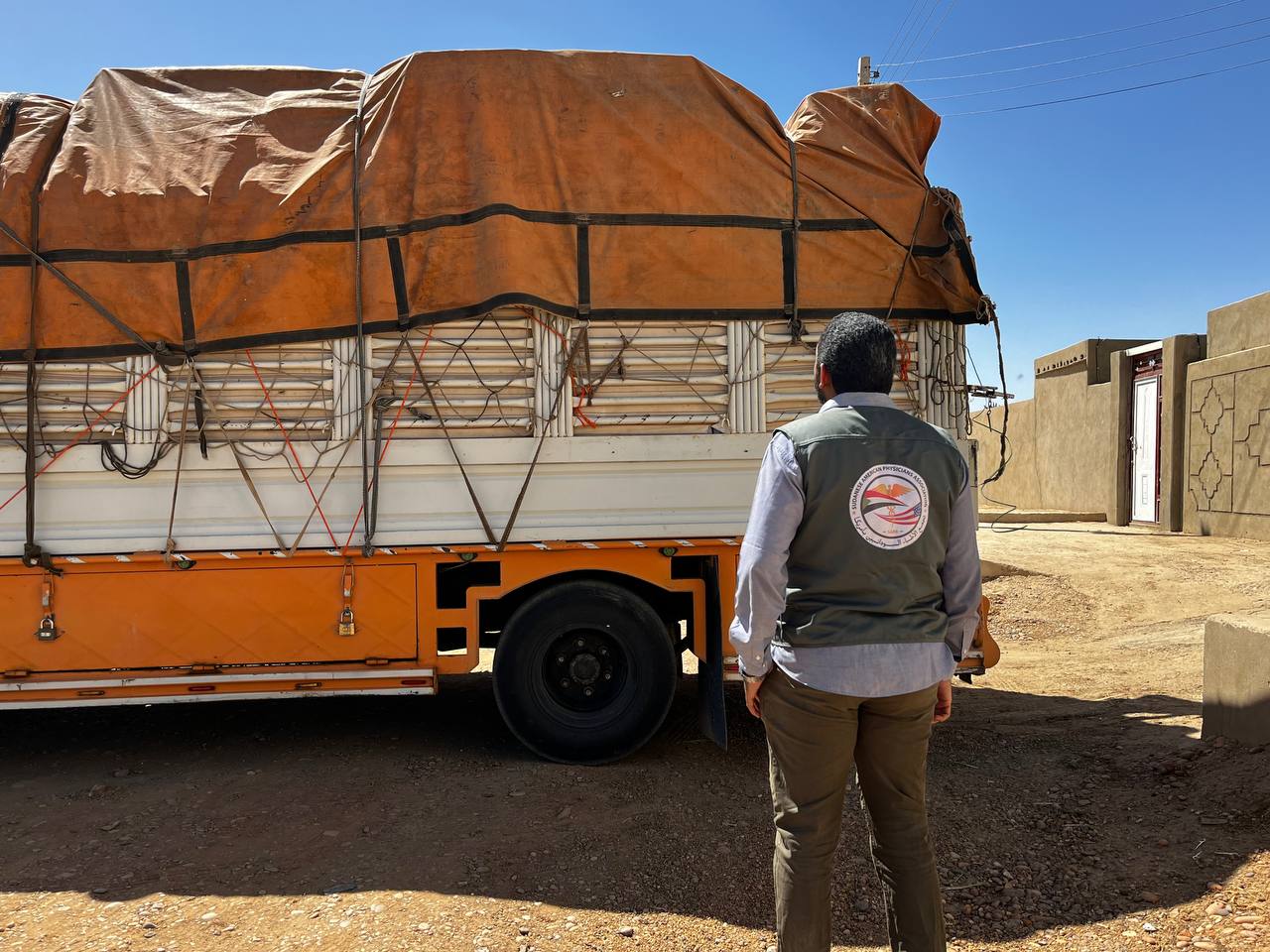
Undoubtedly, delivering humanitarian aid during a conflict presents numerous challenges. SAPA navigated these obstacles, including security concerns, access restrictions, limited resources, and infrastructure damage, through a coordinated and adaptive approach. Strong partnerships with local organizations were pivotal in overcoming these challenges.
Expanding Programming for the Future
Looking ahead, SAPA intends to build on its current programming, prioritizing the needs of those displaced by the conflict. This includes providing healthcare through mobile teams, providing direct support to health facilities, and implementing WASH (Water, Sanitation, and hygiene) programs in IDP camps.
Comprehensive Approach to Healthcare
SAPA’s programming framework includes pillars such as Direct Health Service Delivery, Health System Resiliency, WASH, Food and Nutrition, and Protection. This comprehensive approach aims to increase capacity to respond to disasters while simultaneously building resilience through preparedness and response.
Healthcare Delivery Strategy
SAPA adopts a holistic approach to healthcare delivery for vulnerable groups, mainly focusing on the needs of women and children. This involves a combination of primary and tertiary care, health systems strengthening, and capacity building of local health workers.
Community Engagement and Empowerment
SAPA actively engages with communities, health providers, and institutions to build a robust healthcare system prepared to respond to crises. This involves infrastructure support, advocacy, coordination, use of medical technologies, and the facilitation of best practices.
SAPA’s Ongoing Operations
Since its inception, SAPA has operated in nine states in Sudan and currently works in six: Gezira, Red Sea, South Darfur, White Nile, Northern State, and Khartoum.
Objectives and Goals
SAPA’s overarching humanitarian goals are outlined as follows:
- Ensure access to essential healthcare services for affected populations.
- Implement measures to prevent, monitor, and control outbreaks of infectious diseases.
- Provide food assistance and nutritional support.
- Support health facilities with necessary equipment, medicines, and qualified personnel.
- Strengthen the capacity of local healthcare workers and systems.
- Ensure a steady supply of essential drugs and medical supplies.
- Foster coordination and collaboration among humanitarian organizations, local authorities, and healthcare providers.
Specific Objectives During the Conflict
During the initial six months of the conflict, SAPA’s specific objectives included enhancing healthcare capacity, ensuring access to clean water, promoting hygiene practices, delivering nutrition interventions, improving environmental sanitation, implementing health promotion initiatives, and collaborating with other humanitarian organizations.
Mobile Clinics: Bridging Gaps and Empowering Communities
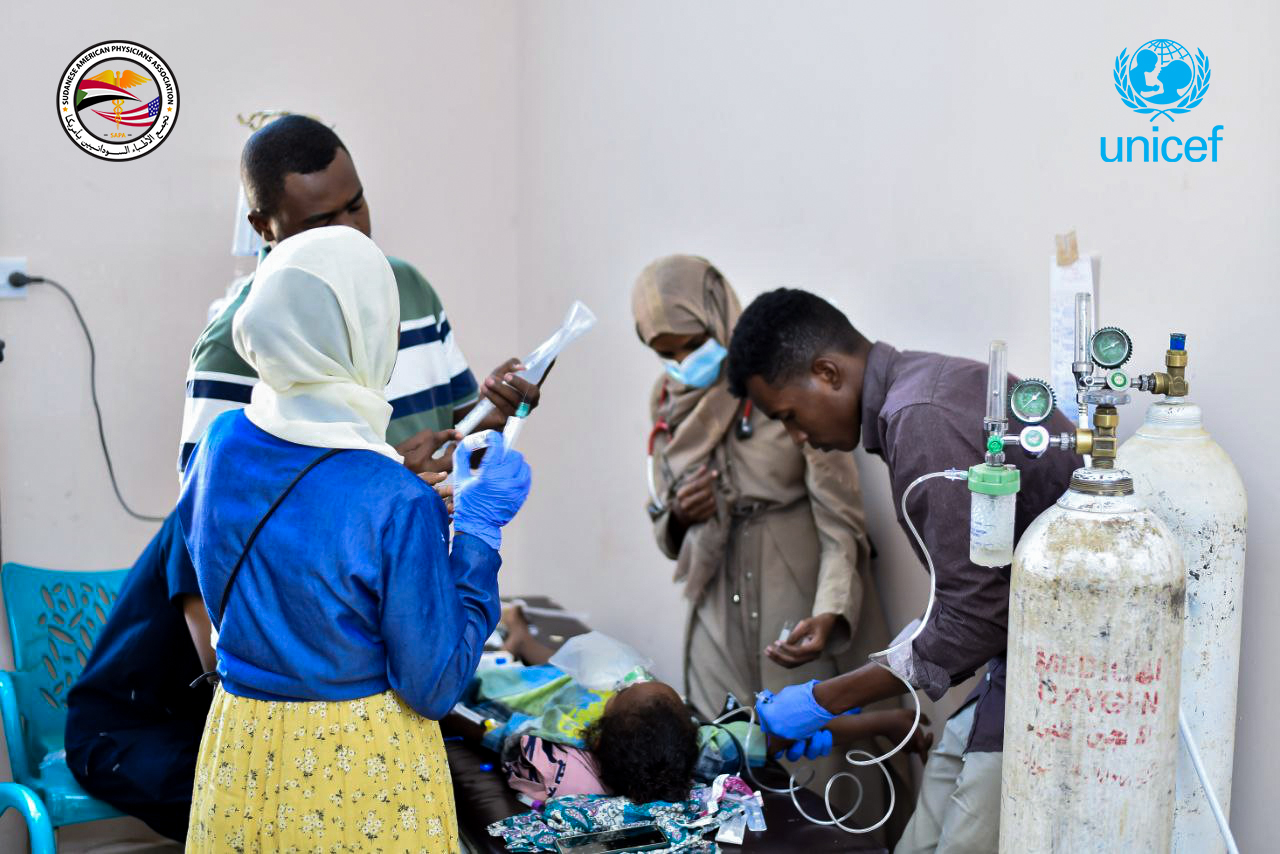
One of SAPA’s standout initiatives is the deployment of mobile clinics, which played a pivotal role in reaching remote and underserved areas, particularly IDP camps. These clinics provided a range of services, with 60% focusing on outpatient care, 10% on antenatal care, 20% on child health, and 5% each on mental health and health promotion.
The adaptability of SAPA’s mobile clinics ensures continuous access to healthcare services, with the ability to relocate to different camps based on evolving situations. Beyond medical services, these clinics foster community engagement and empowerment by building trust, providing health education, and raising awareness about preventive measures.
Madani IDP Clinic and Mobile Clinics
In response to the displacement wave from Khartoum to Wad Madani, SAPA collaborated with the College of Medicine at Al Jazeera University to establish a health center. This center, offering family medicine, gynecology, obstetrics, and pediatric services, exemplifies SAPA’s commitment to providing essential care to displaced immigrants.
Operational Impact and Outreach
The operational impact of SAPA’s initiatives is significant, with mobile clinics, hospital support, and specialized national centers making a tangible difference. Some key statistics include:
- Mobile clinics are reaching over 25,000 beneficiaries.
- Support for Halfa Hospital, with 557 ER visits and 1,816 total hospital visits.
- Support for Saudi Hospital, serving a catchment area of 4 million with 230 daily deliveries.
- Supporting and partially operating specialized national centers in Madani, Al Jazeera state.
- Operating Nyala Teaching Hospital completely, serving 2.9 million people.
- SAPA-operated Al Nada Hospital in Omdurman-Khartoum provides free natural and cesarean delivery services along with pediatric care.
Conclusion
As we bid farewell to 2023, SAPA stands tall as a testament to compassion, resilience, and unwavering dedication to humanity. Their comprehensive approach to healthcare, collaborative efforts, and innovative solutions have not only addressed immediate needs but have also laid the foundation for a more resilient Sudan. The journey continues, and as we step into the new year, SAPA’s commitment to “New Year, New Hope for Sudan” resonates as a promise for a brighter future. Donate Now to help the people of Sudan.