Qurbani Rules for a Family: How Much is Qurbani per Person?
 mahnoor
What is Qurbani in Islam?
When translated into English, Qurbani means sacrifice. It is an obligatory religious act performed by wealthy Muslims on Eid-ul-Azha. It is carried out to remember the intended sacrifice of Prophet Ibrahim of his son – Prophet Ismael. He showed all Muslims for all time to come that in the name of Allah, a Muslim should be ready to give up all that he or she loves. It is a symbolic act of worship but teaches Muslims the meaning of sacrifice and, simultaneously, allows the distribution of meat amongst all the poor and the needy. This helps eliminate hunger for at least a specific period.

Who has to give Qurbani?
Qurbani is an obligation for every adult Muslim who is of sound mind and possesses the Zakat Nisab. If you meet the criteria for giving Zakat, you must also perform Qurbani. However, it is essential to note that Qurbani is not obligatory for children, the elderly, or those who cannot afford it.
>> Related Post: Qurbani Rules for Married Couple
How much is Qurbani per person?
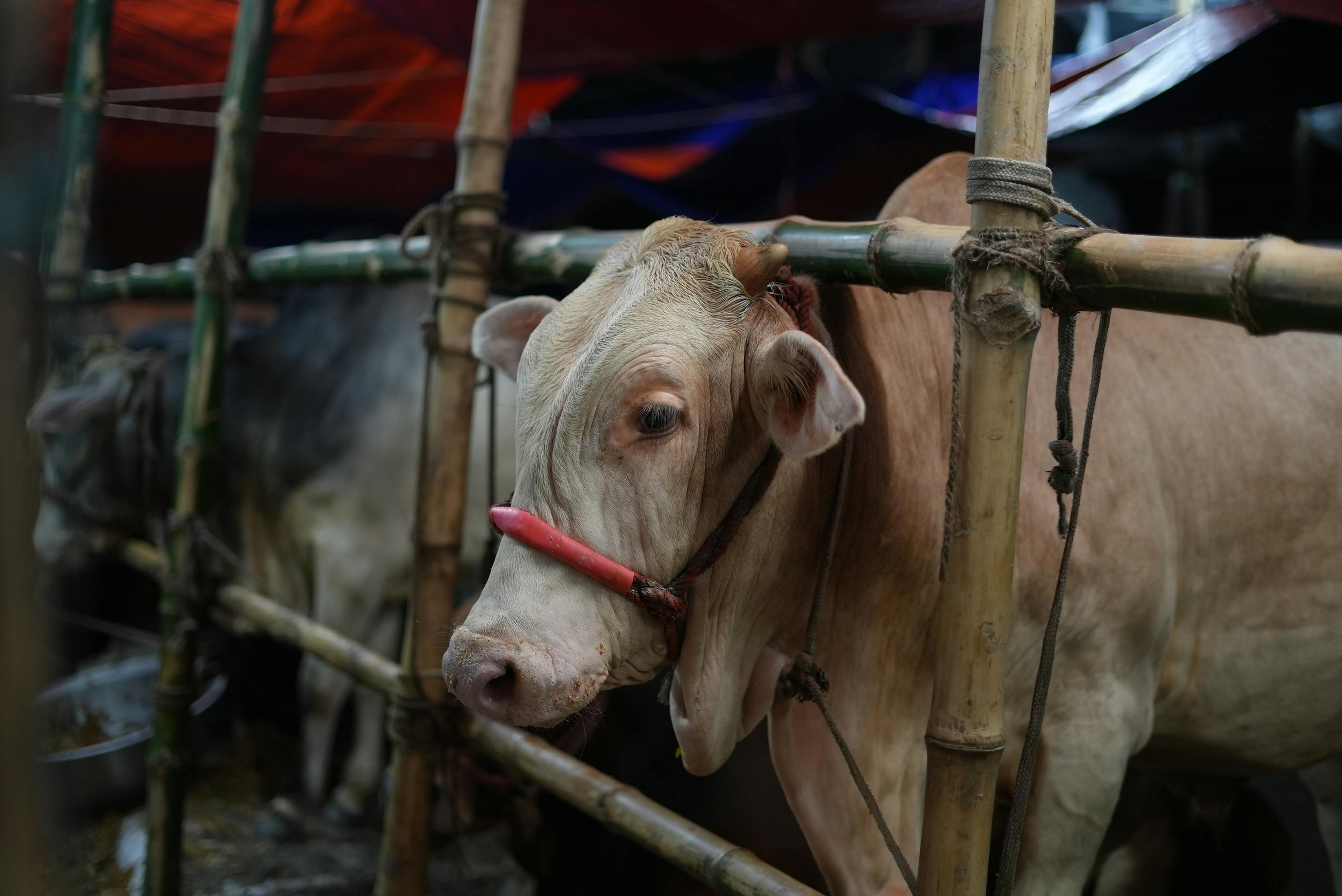
The important question is how many Qurbani per family? The cost varies depending on the type of animal being sacrificed and the region. In general, it is recommended to sacrifice a sheep or goat for one person, a cow or buffalo for seven people, and a camel for ten people. However, it is important to note that these are guidelines and not strict rules. The most important thing is to perform the sacrifice with sincerity and according to Islamic teachings.

Qurbani Rules for a Family:
Performing Qurbani as a family can be a deeply rewarding experience. It is an opportunity to unite as a family and strengthen your bond while fulfilling a religious obligation. Here are some guidelines and Qurbani rules for families:
1. Obligatory Age of Qurbani
According to Shariah laws, it is a religious obligation for any Muslim who has reached puberty to perform Qurbani, given that he or she owns wealth equal to the value of Nisab. So, performing Qurbani on behalf of all children in a family who have reached puberty becomes compulsory for the head of the family.
2. Number of Donations Per Family
According to the Hanafi school of thought, every eligible member of a household required to perform Qurbani must contribute at least one Qurbani. A single Qurbani entails the sacrifice of one sheep or goat. At the same time, a larger animal like a cow, buffalo, or camel can fulfill the Qurbani obligation for up to seven individuals.
3. Members to be Discluded
For the following members of the family, performing Qurbani is not obligatory:
- Mentally ill members
- Those who are poor and own wealth which is less than the value of Nisab
4. Share to be Kept by the Family
Once the Qurbani has been performed, and most of the meat has been distributed amongst the poor and the needy, as well as relatives and neighbors, the family is allowed to keep one-third of the share of one Qurbani for themselves.
5. Timing of the Qurbani
The recommended days for performing Qurbani are the 10th, 11th, and 12th of the month of Zul Hajj. The most pious of Muslims begin the act of Qurbani immediately after the Eid prayer and carry out their distribution as soon as possible.
Fastest & Securest Way to Pay QURBANI ONLINE👇
The form is not published.
Qurbani Related Resources & Posts:
- Qurbani Rules for Husband and Wife
- Qurbani Rules for a Family
- Is Qurbani Mandatory
- Donate Qurbani Online
Role of SAPA in Performing Qurbani
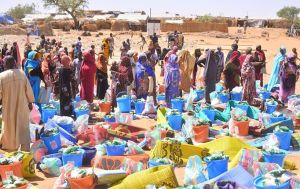
SAPA leverages platforms to maximize the impact of Eid Ul Adha 2025 donations online. Through a secure and convenient donation process, donors worldwide can contribute to the cause, providing nourishing meals to those in need during Eid-ul-Adha. The meat from Qurbani sacrifices is distributed through SAPA’s on-ground team, which operates central kitchens in Khartoum State, Al-Jazeera, and other severely affected areas. This distribution ensures that over 60,000 beneficiaries, including 10,000 needy families, receive sacrificial meat, providing relief from hunger and supporting those facing food insecurity.
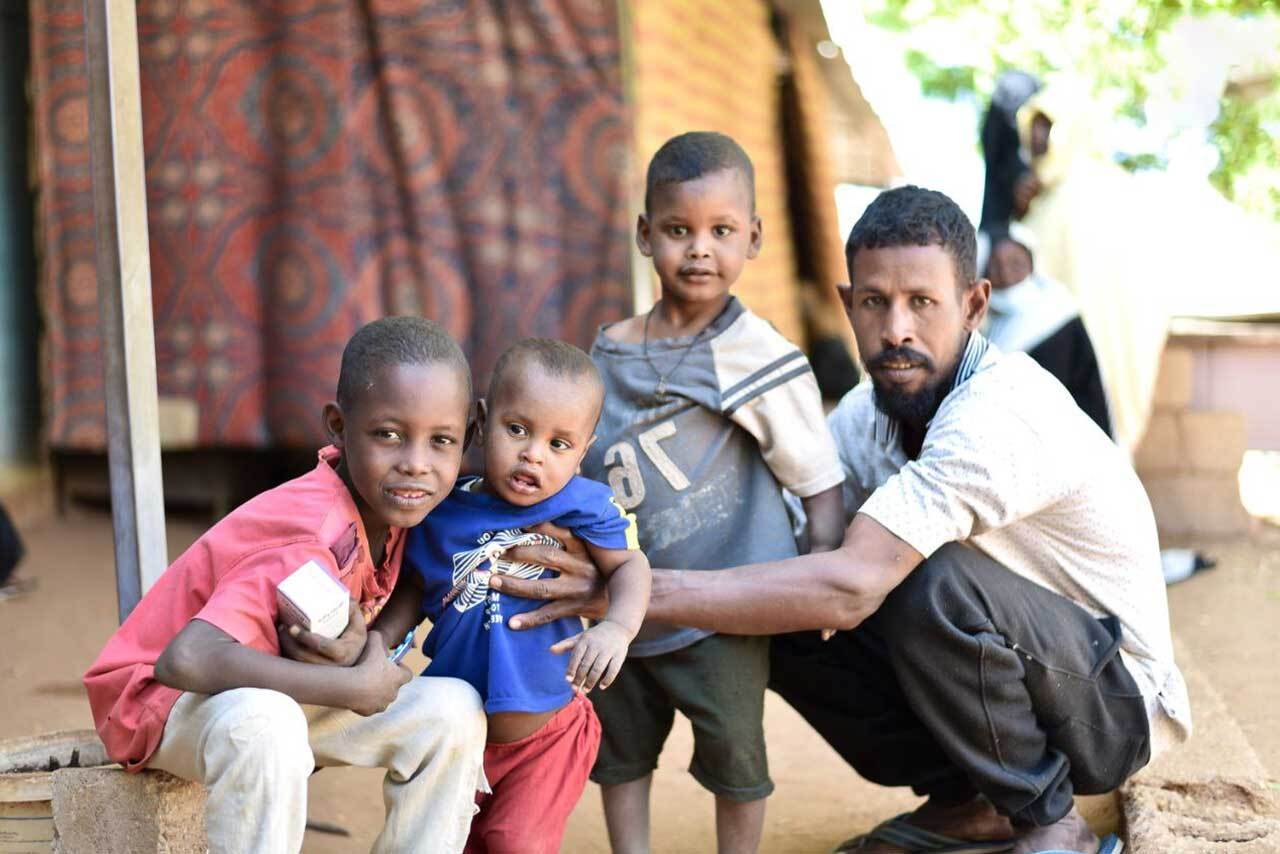
Amidst the backdrop of the Sudan civil war and ongoing crisis, exacerbated by hunger in Sudan and the plight of Sudanese women, the urgency for Qurbani donations persists. SAPA extends an earnest invitation to donors to partake in acts of compassion and generosity this Eid-ul-Adha. Your donation holds the power to deliver essential aid to vulnerable communities, offering sustenance and restoring hope and dignity in the face of adversity. Join hands with SAPA today and be a beacon of light in the lives of those grappling with the challenges of the Sudan crisis.
Conclusion
Qurbani, also known as Udhiyah, is a significant ritual in Islam performed during the Eid al-Adha festival. It commemorates Prophet Ibrahim’s willingness to sacrifice his son in obedience to Allah’s command. Qurbani, the act of sacrificing an animal, symbolizes this profound devotion and teaches the value of giving back. It’s not just about fulfilling religious obligations; it’s also about Paying Sadaqah and feeding the poor, core principles in Islam. Donating to charity during this time is highly encouraged, offering numerous benefits, including the perpetuity of Sadaqah e Jariyah and the opportunity to donate in someone’s name. There are various types of sadaqah, each with its own benefits, and donating online makes it easier than ever to make a difference.
FAQs: Qurbani Rules for a Family: How Much is Qurbani per Person?
1. Can Qurbani be performed on behalf of someone else?
Yes, Qurbani can be performed on behalf of someone else, including deceased relatives. It is a common practice for Muslims to perform Qurbani on behalf of their deceased parents or loved ones.
2. What should be done with the meat from Qurbani?
The meat from Qurbani should be divided into three parts: one-third for the person performing the sacrifice, one-third for relatives and friends, and one-third for the poor and needy. It is recommended that the meat be shared with as many people as possible.
3. How much is Qurbani per person?
The cost of Qurbani varies depending on the type of animal being sacrificed and the region. In general, it is recommended to sacrifice a sheep or goat for one person, a cow or buffalo for seven people, and a camel for ten people.
4. Who is required to perform Qurbani according to Islamic teachings?
Every adult Muslim who meets the Zakat Nisab threshold and is of sound mind is obligated to perform Qurbani. This obligation excludes children, the elderly, and those without sufficient wealth, aligning with Islamic principles detailed in SAPA’s Zakat Guidelines.
5. How is Qurbani calculated for families and individuals?
Typically, one sheep or goat is sacrificed per person, while larger animals like cows or camels can fulfill the Qurbani for multiple family members. Families are encouraged to perform Qurbani sincerely, respecting the religious teachings.
6. What are the Qurbani rules specific to family obligations?
In families, every eligible member must observe the obligation unless exempted for reasons such as illness or poverty. Once the sacrifice is made, families can retain one-third of the meat, distributing the rest to the poor.
7. How can donors securely contribute to Qurbani online?
SAPA provides a secure platform for online Qurbani donations, enabling global supporters to aid vulnerable communities, especially in conflict zones like Sudan. Donations ensure efficient distribution through SAPA’s relief programs, detailed at Donate Qurbani Online.
8. Besides Qurbani, how can Muslims contribute to charitable causes during Eid?
Muslims can engage in continuous charity like Sadaqah e Jariyah and donate in the names of loved ones, supporting diverse charitable causes, as guided by SAPA’s Ways to Donate for maximum impact.