Ramadan in Islam: Insights from the Quran and Hadith
 Waleed
Ramadan is not merely a date on the Islamic calendar, it is a divine invitation. A month in which time slows, hearts soften, and faith is renewed. For Muslims across the world, Ramadan in Islam represents a sacred pause from worldly distractions and a return to Allah through fasting, prayer, reflection, and generosity.
The Quran and the Hadith describe Ramadan as a month of guidance, mercy, and transformation. It is the month in which the Quran was revealed, the gates of Paradise are opened, sins are forgiven, and every sincere act of worship is multiplied beyond measure. Through Ramadan quotes from the Quran and hadith on Ramadan, we begin to understand why this month holds such unmatched spiritual weight.
As we reflect on these teachings, Ramadan also reminds us of our responsibility toward those who are fasting under hardship. This is why supporting lifesaving work during Ramadan becomes an extension of our worship.
>> Related Post: 5 Good Deeds to Do in Ramadan for Maximum Reward
Ramadan Quotes from the Quran and Sunnah:
Ramadan in the Quran
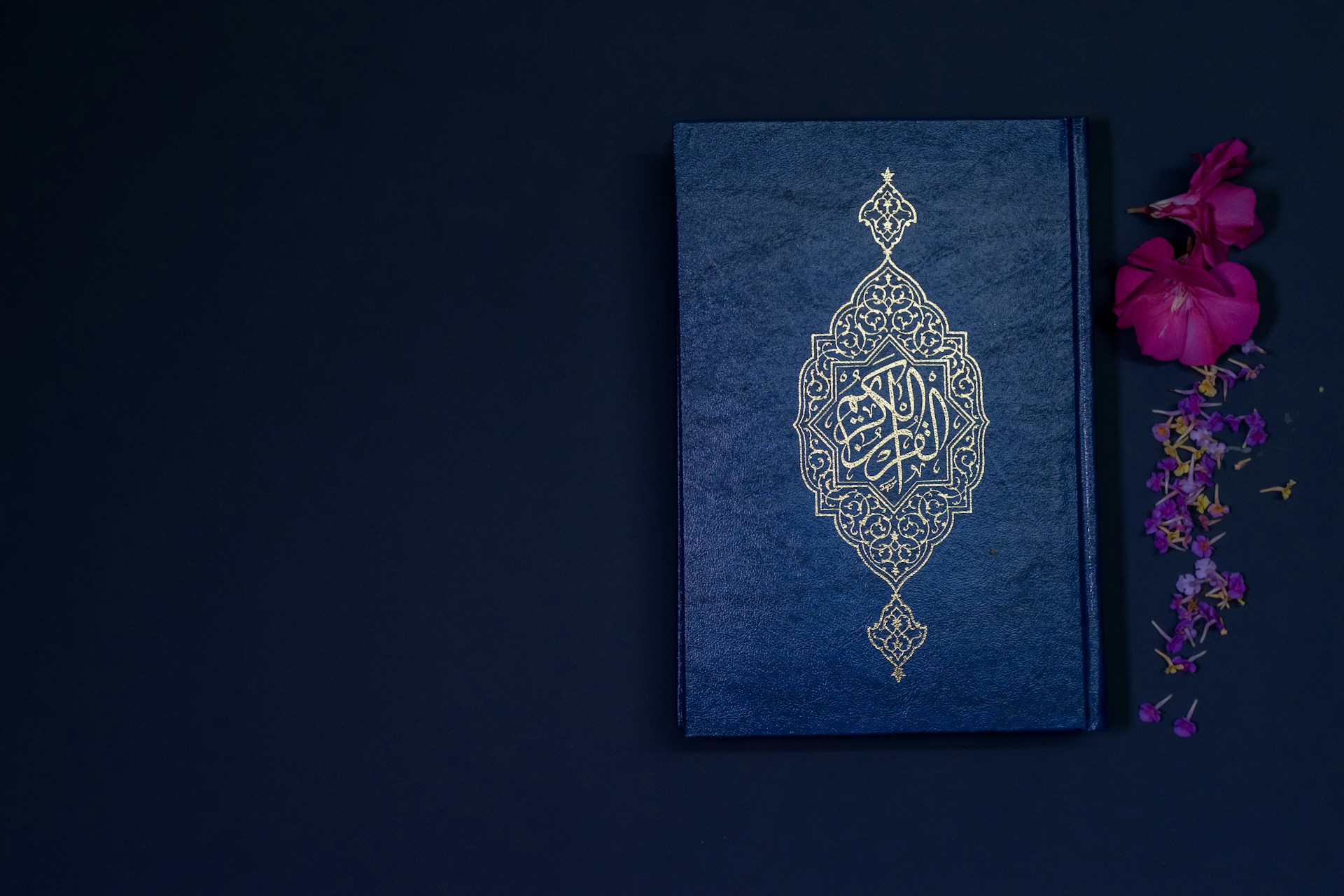
The Quran speaks of Ramadan with clarity, purpose, and deep spiritual meaning. It establishes fasting not as a burden, but as a means to grow in the consciousness of Allah.
Allah says:
“O you who believe, fasting has been prescribed for you as it was prescribed for those before you, that you may attain taqwa (God-consciousness).”
(Surah Al-Baqarah 2:183)
This verse defines the essence of Ramadan in the Quran. The purpose of fasting is not hunger or deprivation, but the refinement of the soul, which includes learning restraint, humility, and empathy.
Allah further states:
“The month of Ramadan is the one in which the Quran was revealed as guidance for mankind, clear proofs of guidance, and the criterion.”
(Surah Al-Baqarah 2:185)
Ramadan is therefore inseparable from revelation. It is a time to reconnect with the Quran not only through recitation, but through reflection and action that ease the suffering of others.
One of the most comforting quotes about Ramadan from the Quran is found in the same passage:
“When My servants ask you about Me, indeed I am near.”
(Surah Al-Baqarah 2:186)
This verse reassures believers that Ramadan is a time of answered prayers. For families facing hunger, illness, and displacement, that nearness often comes through the kindness of others.
>> Related Post: Best Zakat Charities to Donate to in 2026
Hadith on Ramadan
The Sunnah of the Prophet Muhammad ﷺ shows us how Ramadan should be lived; sincerely, gently, and with deep concern for others.
The Prophet ﷺ said:
“When Ramadan begins, the gates of Paradise are opened, the gates of Hellfire are closed, and the devils are chained.”
(Sahih al-Bukhari: 1899)
This hadith on Ramadan highlights the spiritual atmosphere of the month. It is a season of opportunity, where returning to Allah is made easier.
Another authentic narration states:
“Whoever fasts Ramadan out of faith and seeking reward, his previous sins will be forgiven.”
(Sahih al-Bukhari: 38)
Ramadan is a chance for a new beginning, but the Prophet ﷺ also reminded us that fasting is incomplete without ethical conduct:
“Whoever does not give up false speech and acting upon it, Allah has no need of him giving up his food and drink.”
(Sahih al-Bukhari: 1903)
True fasting refines character. It softens hearts toward those who lack food, safety, and medical care, making generosity an essential expression of faith.
>> Related Post: 5 Best Ramadan Charities to Donate to in 2026
Fastest & Securest Way to Pay RAMADAN Donations ONLINE👇
SAPA and Ramadan: Turning Faith into Lifesaving Support for Sudan
Ramadan is a month of mercy, and mercy must be lived. During Ramadan, Sudanese American Physicians Association (SAPA) delivers critical food assistance and healthcare to displaced families in Sudan, where conflict has left millions without access to basic necessities.
While many break their fast safely at home, families in Sudan face Ramadan amid hunger, displacement, and collapsed health systems. SAPA’s Ramadan response focuses on:
- Providing nutritious meals to fasting families
- Supporting malnourished children and mothers
- Delivering essential medical care where hospitals have collapsed
Ramadan giving through SAPA transforms faith into action, feeding the hungry, healing the sick, and restoring dignity.
FAQs
1. What does the Quran say about Ramadan?
The Quran describes Ramadan as the month of fasting and revelation (Surah Al-Baqarah 2:183–185).
2. Why is Ramadan fasting important?
Fasting builds taqwa, discipline, and empathy for those in hardship.
3. Which Surah talks about Ramadan directly?
Surah Al-Baqarah, verses 183–187.
4. What is the reward of fasting Ramadan?
Forgiveness of past sins for sincere fasting (Sahih al-Bukhari).
5. Are duʿāʾs accepted in Ramadan?
Yes. Allah emphasizes His nearness in Surah Al-Baqarah 2:186.
6. What did the Prophet ﷺ say about Ramadan generosity?
He was most generous during Ramadan (Sahih al-Bukhari).
7. Is fasting only abstaining from food?
No. It includes ethical behavior and sincerity.
8. Why is charity emphasized in Ramadan?
Because rewards are multiplied and empathy is heightened.
9. How does helping others fulfill Ramadan’s message?
Islam links worship with mercy and service to humanity.
10. How can I give charity this Ramadan?
You can support humanitarian efforts like SAPA’s Ramadan response.