
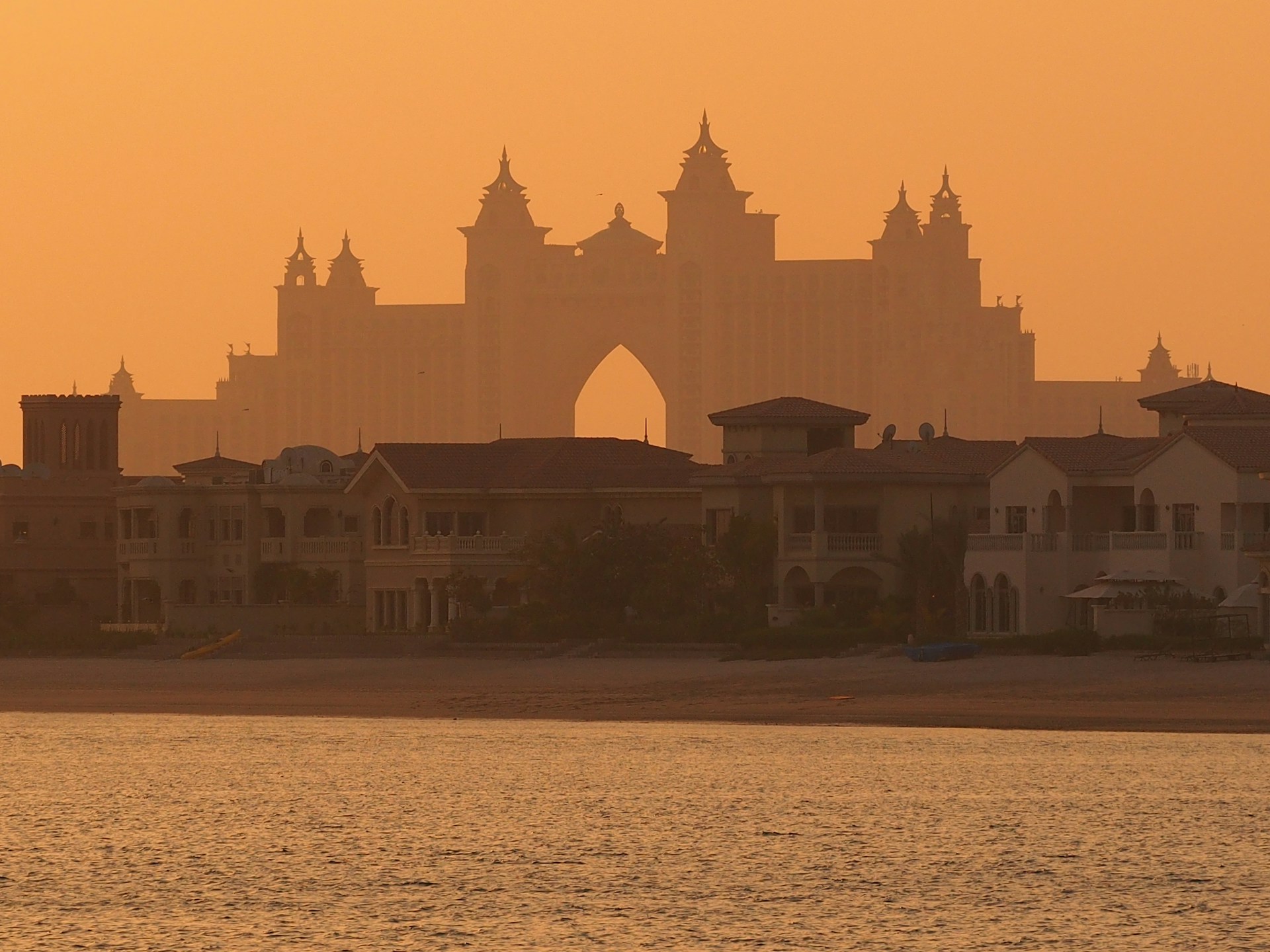
Top 5 Richest Arab Countries in the Middle East in 2026
 Waleed
The Middle East is a part of the world occupied by the Arabs for centuries. Arabs have ruled the region literally and figuratively. While the region still consists of several kings and princes that prove time and again to be one of the most esteemed and noble royalties in the world, it continues to thrive financially and economically as well by using their precious resources, diplomatic relations, and other strengths in the best possible ways.
While it is common knowledge that the Middle East is a part of the world full of riches, if you want to know which Arab countries are the wealthiest in the Middle East, you have come to the right place. In this blog, we will analyze these top economies, explore why they are rich, what drives their economy, their population profiles, and what strategies they’ve adopted to remain at the top.
>> Related Post: Top 5 Poorest Arab/Middle Eastern Countries in 2026
Top 5 Richest Arab Countries in the Middle East Region in 2026
The Arab world is home to some of the wealthiest nations on earth, countries whose prosperity stems from abundant natural resources, strategic diversification, and visionary leadership. In 2026, the Top 5 Richest Arab Countries in the Middle East continue to stand out not just for their oil wealth, but also for their success in building modern, diversified economies that attract global investment.
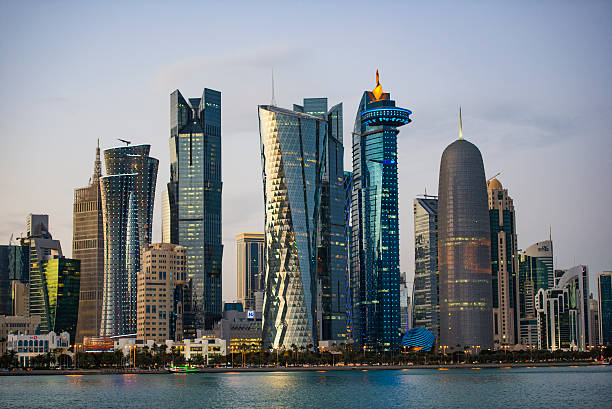
1. Qatar
At number one is Qatar, which leads in per capita prosperity in the Arab world. In the IMF’s World Economic Outlook mapping (April 2025), Qatar’s GDP per capita (PPP) is USD 121,610 (121.61 thousand).
The IMF also provides Qatar’s population projection for 2025 as 3.109 million (3.109 million) under its “At a Glance” profile.
Qatar is a major exporter of natural gas and LNG. Numerous economic analyses of Qatar note that energy exports dominate export earnings and state income. For instance, in global country economy profiles, energy revenue is a critical pillar of Qatar’s fiscal model.
Because of its relatively small population and high resource output, Qatar’s per capita yield is outstanding. Qatar reinvests heavily in infrastructure, education, health, and future-oriented sectors. Its sovereign wealth fund (QIA) invests globally to reduce vulnerability to energy market swings.
>> Related Post: Top 10 Countries with Highest Poverty Rate in the World
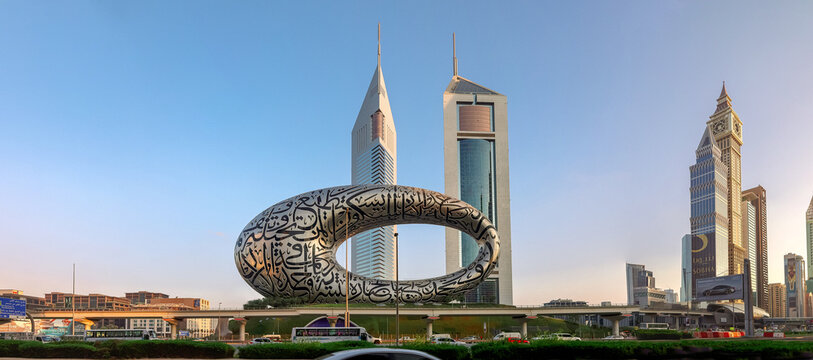
2. United Arab Emirates
The United Arab Emirates (UAE) ranks second among the richest Arab nations thanks to its effective diversification and forward-looking policies. In an economic forecast, Reuters reports that the UAE economy is expected to grow 4.9% in 2025, driven by both hydrocarbon and non-hydrocarbon sectors.
According to economic profiles (e.g. in “Economy of the United Arab Emirates”), the UAE’s GDP per capita (PPP) is estimated at USD 82,000, and its nominal GDP per capita is about USD 51,290.
The UAE’s success lies in stretching beyond oil: its non-oil sectors (tourism, aviation, trade, finance, real estate, technology) now make up a substantial portion of GDP. The country also promotes free zones, liberal foreign ownership, and attraction of multinational businesses — enabling it to compete globally.
3. Saudi Arabia
Saudi Arabia occupies the third spot among the Top 5 Richest Arab Countries in the Middle East in 2026 when assessing per capita prosperity with growth dynamics. In the IMF’s April 2025 data, Saudi Arabia’s GDP per capita (PPP) is USD 61,920 (61.92 thousand).
In a Reuters-poll summary of Gulf economies’ outlook, Saudi Arabia’s 2025 GDP growth is projected at 3.8% (a rebound from weaker growth in 2024).
According to the Gulf economic analysis, Saudi Arabia is pivoting through its Vision 2030 strategy, developing mega-projects (NEOM, The Red Sea, Qiddiya) and pushing sectors like tourism, technology, and renewable energy. Its Public Investment Fund (PIF) has become a central vehicle for investing in transformative industries.
Given its scale and resources, Saudi has the advantage of leveraging vast reserves, but its per capita metrics are moderated by its large population. Its ability to manage the hydrocarbon transition and expand sustainable sectors will define its long-term position.

>> Related Post: Top 5 Poorest African Countries in 2026
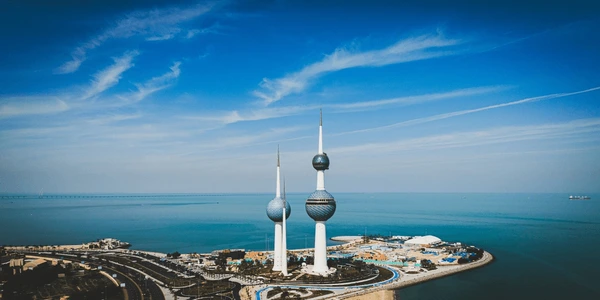
4. Kuwait
Kuwait’s strength stems from large oil endowments and management of that wealth via sovereign assets. In the IMF’s April 2025 dataset, Kuwait’s GDP per capita (PPP) is USD 50,960 (i.e. 50.96 thousand) in international dollars. Kuwait’s long-standing model has involved allocating a significant portion of oil revenues to the Kuwait Investment Authority (KIA), which invests globally to smooth revenue volatility.
In recent years, Kuwait has faced pressures to accelerate diversification and reduce state dependence on oil. Some recent reporting from Financial Times suggests Kuwait has considered borrowing for infrastructure investment, which would be a notable shift in its previously conservative fiscal posture.
Thus, while Kuwait may lag other Gulf peers in diversification, its resource base and wealth management infrastructure help it maintain a high per capita status among the richest Middle Eastern countries.
5. Bahrain
Bahrain has long pursued an economic model less reliant on oil, helping it maintain a spot among the richest Arab countries. In the first quarter of 2024, Bahrain’s real GDP grew by 3.3% year-on-year, and its non-oil sector, which contributes about 85.9% of GDP, also grew by 3.3% in that period.
Because Bahrain’s economy is relatively small in oil production, its strategic emphasis has been on financial services, tourism, and industry. Its non-oil as a share is prominent (85.9%) according to Reuters reporting.
However, Bahrain faces challenges: limited hydrocarbon reserves and higher public debt, which underscore the importance of continued structural reform, diversifying its economy further, and fostering investment.

>> Related Post: Malnutrition Rates in Sudan’s Children: Latest Statistics and Urgent Needs
FAQs
1. Which is the richest country in the Middle East in 2026?
By per capita (PPP) metrics, Qatar currently ranks as the richest country in the Middle East.
2. What are the Top 5 richest Arab countries in the Middle East?
Bahrain, Kuwait, Saudi Arabia, UAE, and Qatar (in terms of per capita strength and economic performance).
3. Why is Qatar considered among the richest Arab countries?
Qatar’s high per capita income comes from its abundant natural gas reserves, LNG exports, and large sovereign investments.
4. How does the UAE maintain its status among the richest Middle Eastern countries?
The UAE has diversified heavily into trade, tourism, finance, real estate, and logistics, reducing dependence on oil and reinforcing global connectivity.
5. What role does non-oil growth play in Saudi Arabia’s wealth?
In Q1 2025, Saudi’s non-oil sector grew 4.9%, while its overall GDP rose 3.4%. This shows non-oil activities are driving economic momentum.
6. How rich is Kuwait among the richest Arab countries?
Kuwait’s GDP per capita (PPP) is USD 50,960 in 2025, per IMF data.
7. Is Bahrain truly one of the richest Arab nations?
Yes, Bahrain’s economy, though smaller in size, emphasizes finance, non-oil sectors, and structural reform, helping it remain among the top in per capita measures.
8. What metric determines the “richest Arab country”?
Most comparisons use GDP per capita (PPP) to reflect average individual prosperity, rather than total GDP.
9. Can a country be rich but still have inequality?
Absolutely! High per capita GDP doesn’t guarantee equitable distribution. Many of the richest Arab countries still face income inequality, migrant labor disparities, or regional imbalances.
10. Will Qatar always remain the richest Middle Eastern country?
Not necessarily. As other Gulf states accelerate diversification, invest in human capital, and reduce dependence on energy, the rankings may shift. But for 2026, Qatar holds a strong lead.




Comment (1)
Is the Arab world finally discovering collective security and multilateral diplomacy ? | npkpress
[…] and the trade-offs between humanitarian solidarity and strategic pragmatism. Gulf states, which control most of the region’s financial reserves, were essential to any reconstruction plan’s viability. […]