Standing With Sudan: How SAPA and Imam Khalid Latif Are Mobilizing Emergency Relief
-
by
 Waleed
 - No Comments on Standing With Sudan: How SAPA and Imam Khalid Latif Are Mobilizing Emergency Relief
 Waleed
War does not arrive gently. It does not wait for readiness or permission. In Sudan, it has torn through cities and villages, leaving families with impossible choices: stay and risk death, or flee into the unknown. Today, survival for millions of Sudanese is not measured in years or even months, but in hours, the next meal, the next breath, the next moment of safety.
Across the country, displacement camps have become fragile lifelines for families who have lost everything. What was never meant to be permanent has become the only shelter available. And within these camps, the human cost of conflict is no longer theoretical; it is visible in hunger, illness, grief, and quiet resilience.
At the center of this unfolding humanitarian crisis stands Al-Affad Internally Displaced Persons (IDPs) Camp in Northern Sudan, a place that now carries the weight of survival for tens of thousands.
Mass Displacement and the Reality at Al-Affad Camp
Escalating violence in El-Fasher, North Darfur, has triggered new waves of displacement, forcing families to flee north in search of safety. Many arrive exhausted, traumatized, and with nothing but the clothes they escaped in. Al-Affad Camp, near Ad-Dabbah, has become one of the primary destinations for these families.
Today, more than 25,000 internally displaced people live in Al-Affad Camp. The camp was never designed to support this scale. Services were already stretched beyond capacity before the latest influx of families. Currently, food supplies are limited, healthcare access is inconsistent, and basic hygiene facilities are scarce.
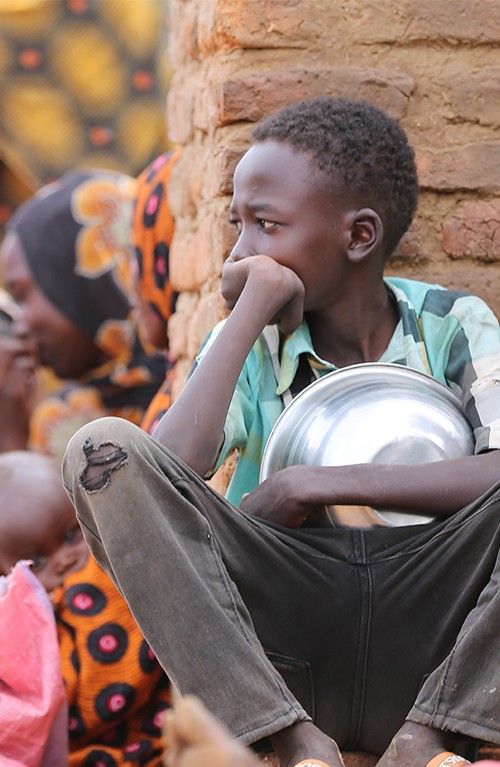
Children sleep in crowded shelters. Pregnant women face complications without adequate medical care. Elderly individuals struggle with chronic illness in conditions that accelerate decline. For many families, displacement did not end danger; it simply changed its form.

A Mother’s Du’a in the Midst of Loss
Among the thousands of displaced families is Zehra, a young mother whose story reflects the quiet strength and unbearable grief carried by so many Sudanese women.
Zehra approached quietly, hesitation in every step. She asked for prayer, not loudly, not desperately, but with the calm dignity of someone who has already endured more than words can carry.
Her daughter had died only ten days earlier. The loss was still fresh, still raw, still filling the space between every breath she took. She spoke her child’s name softly, as if saying it too loudly might reopen a wound that had never closed.
She asked for prayer for her son, Ayman, whose heart is dangerously enlarged and failing. Without timely medical intervention, she knows what awaits him because she has already buried one child. Yet her request carried faith, not despair.
She asked for prayer for her daughter Rahaf, who is still alive, still watching, still learning what the world can be at an age far too young for such lessons.
Hunger Is the Silent Emergency
Today, nearly 25 million people, more than half of Sudan’s population, are experiencing acute food insecurity. Famine conditions have already been confirmed in El-Fasher (North Darfur) and Kadugli (South Kordofan), with at least 20 additional districts at high risk.
Global acute malnutrition exceeds 15% in multiple regions and surpasses 30% in parts of Darfur and Kordofan, far above famine thresholds. Looking ahead, an estimated 825,000 children are projected to suffer from severe wasting in 2026.
Hunger here is not an abstract statistic. It is visible in sunken eyes, brittle limbs, and the quiet resignation of parents who have run out of explanations for their children. It weakens immune systems, complicates pregnancy, and turns treatable illnesses into fatal ones.
DONATE NOW
Inside a Collapsing Healthcare System
Sudan’s health system has largely collapsed under the weight of conflict. In areas most affected by violence, approximately 80% of health facilities are non-functional.
Disease outbreaks, including cholera, malaria, and dengue, are widespread across all 18 states. Pediatric wards are overwhelmed by infections that should never be fatal. Patients often share beds, not for comfort, but because there is no alternative.
Medical professionals work in conditions that defy imagination. Nurses earn the equivalent of around one hundred dollars a month. Doctors, often no more than two hundred. And yet they continue to show up exhausted, under-resourced, and unwavering, holding the fragile line between life and death.
Mothers and Newborns Paying the Highest Price
Few realities capture the severity of Sudan’s crisis more clearly than the state of maternal and newborn health.
Maternal and neonatal care have been critically disrupted. Today, every 9 minutes, a newborn dies in Sudan, often from preventable causes. The absence of skilled care, essential equipment, nutrition, and timely intervention has turned childbirth into a life-threatening event.
In displacement camps like Al-Affad, hundreds of pregnant women face severe anemia and complications. Many are in their final months of pregnancy. One-third are expected to require cesarean sections, yet access to surgical care is limited or nonexistent.
How SAPA Is Responding on the Frontlines
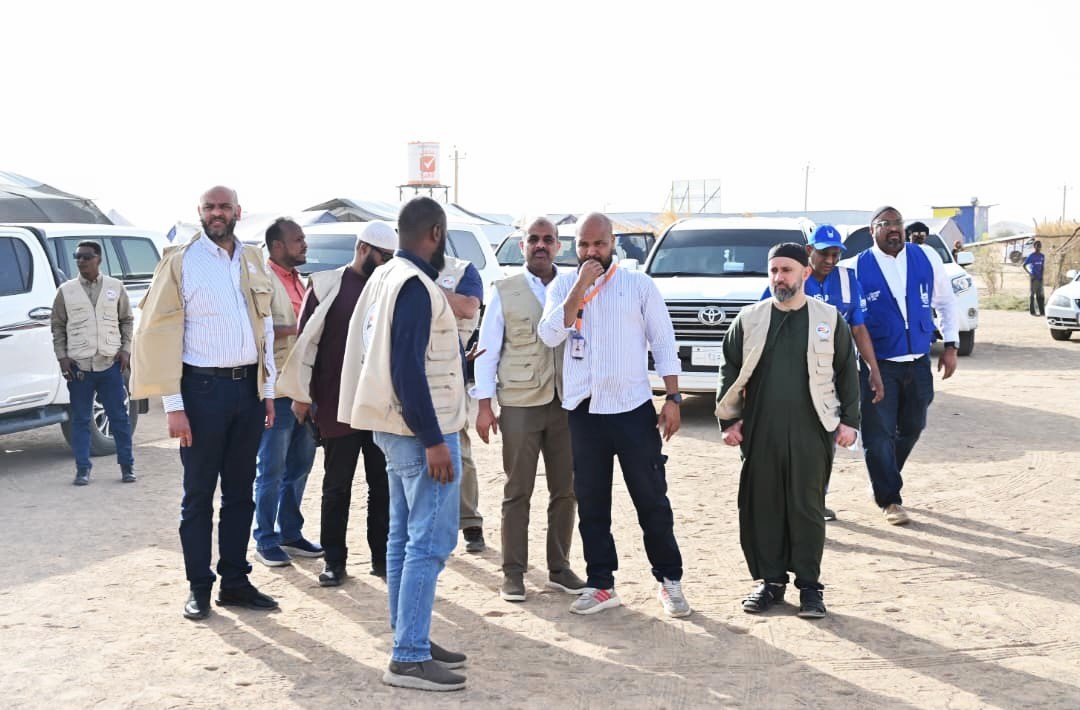
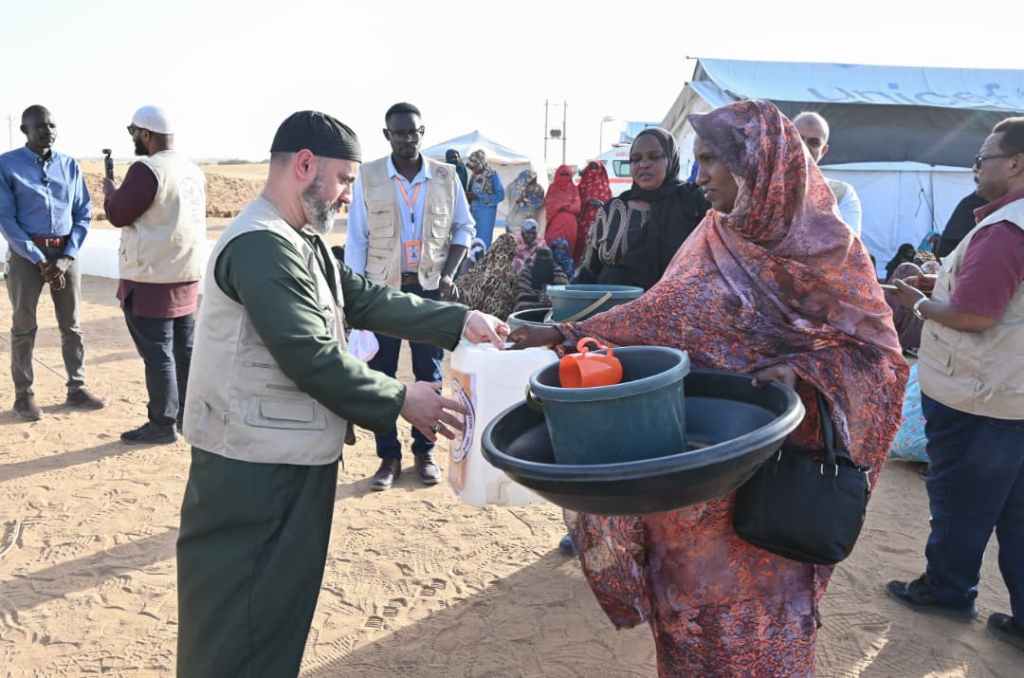
The Sudanese American Physicians Association (SAPA) is responding to Sudan’s humanitarian crisis with urgency, experience, and compassion. Drawing on years of medical and emergency response work, SAPA is delivering integrated food and health interventions to support displaced families across Sudan.
SAPA prioritizes the most vulnerable populations: pregnant women, newborns, children, orphans, and the elderly through targeted, on-the-ground programs informed by direct assessments and real-time needs.
How You Can Help Right Now
You can stand with the people of Sudan by supporting SAPA’s emergency response efforts through the LaunchGood campaign. Donations are zakat-eligible and tax-deductible, and directly fund:
- Emergency medical care
- Food assistance and nutrition programs
- Maternal and newborn health services
- Support for displaced families facing hunger and disease