
How SAPA’s Hygiene Kits and Vaccine Drives Are Reducing Newborn Mortality in Sudan
-
by
 Waleed
 - No Comments on How SAPA’s Hygiene Kits and Vaccine Drives Are Reducing Newborn Mortality in Sudan
 Waleed
The condition in Sudan is nothing short of a crisis right now, with 13 million individuals displaced and 70% of the health facilities being non-functional. The constant situation of war is not just destroying the already shattered infrastructure and eliminating food and water resources, but is also causing death of new born babies at a rapid rate. Every nine minutes, one new life is lost, and under no circumstances should this be acceptable to humanity. To protect babies from such an atrocity, SAPA has introduced hygiene kits and the concept of vaccine drives, which we will be discussing in this blog in detail.
Why Does a Life Slip Away Every 9 Minutes in Sudan?
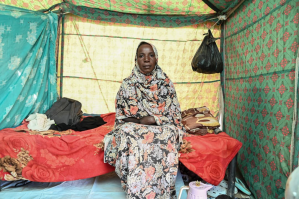
In Sudan today, birth has become a battle for survival. What should be a moment of joy is too often met with fear and loss. Amidst the chaos of conflict, hospitals stand in ruins, and what remains of the healthcare system is overwhelmed or inaccessible. For countless mothers, “delivery room” means the corner of a crowded tent, a dirt floor, or a makeshift clinic without power, medicine, or trained support. According to WHO EMRO, skilled personnel attend only 68% of the births.
These are not preventable tragedies; they are the direct result of war stripping away care and safety. Newborns arrive too early, too cold, or too fragile to survive. Without incubators, sterile tools, or medical supervision, simple complications become fatal. Every nine minutes, another family is left grieving a life that never had a chance to begin.
>> Related Post: SAPA Primary Kit: A Lifeline for Displaced Communities in Crisis
Saving Newborns: SAPA’s Hygiene Kits and Vaccine Drives
To fight back the above mentioned occurrences, SAPA has built a full system of survival, a comprehensive model that addresses every stage of neonatal care, from birth to recovery. SAPA’s mission begins with the simplest, yet most powerful, form of protection — hygiene and prevention.
Through SAPA’s Hygiene Kits and Vaccine Drives, hope is being restored where health systems have collapsed. Each kit provides sterile delivery tools, soap, disinfectant, cord-care gel, and clean wraps, the essentials needed to protect both mother and baby from infections that claim thousands of lives each month.
The vaccine drives, run through mobile clinics and community teams, bring life-saving immunizations against tetanus, measles, and other preventable diseases to families who’ve gone years without access to care.
But SAPA’s work doesn’t stop there. These efforts form part of a complete six-pillar survival system, ensuring that every newborn gets a fighting chance:
- Thermal Stability: Providing warmers and thermal care tools for fragile, premature, or underweight babies who face life-threatening hypothermia in their first hours.
- Disease Prevention: Distributing hygiene kits, vaccines, and clean delivery supplies that stop infections before they begin one of SAPA’s most effective weapons against preventable deaths.
- Critical Care Supplies: Equipping neonatal units with IV fluids, resuscitators, and oxygen support to stabilize babies in emergencies.
- NICU Revitalization: Repairing and re-equipping neonatal units in damaged hospitals so mothers no longer have to give birth in unsafe, overcrowded spaces.
- Respiratory Support: Delivering oxygen tools, suction bulbs, and training for healthcare workers to help newborns breathe through their first fragile days.
- Infection Control: Providing antibiotics, zinc ointments, and cord-care gels to prevent fatal infections during the most vulnerable days of life.
Each Newborn Care Kit unites these pillars into action, supporting 100 critically ill infants across 15 neonatal care units. These kits cost $166 per newborn or $16,630 per full kit. Every contribution becomes a shield against disease, cold, and neglect.
>> Related Post: From Crisis to Care: The Lifesaving Components of SAPA’s Rapid Response Kits
FAQs
1. What is the neonatal mortality rate in Sudan?
Sudan’s neonatal mortality is estimated around 25 per 1,000 live births according to UNICEF data. Earlier assessments had shown rates near 27 per 1,000 live births in some conflict‐affected regions.
2. Why do so many newborns die in the first days of life?
The first 28 days-called the neonatal period-carry the highest risk of death. Globally, complications from prematurity, infections, and birth asphyxia are leading causes. In Sudan, collapsing infrastructure, lack of sterile environments, and unavailability of trained staff amplify those risks.
3. How many health facilities are non-functional due to conflict?
Around 70% of health facilities in conflict zones are non-functional, leaving many mothers and newborns without access to proper care.
4. What is SAPA’s role in reducing newborn mortality?
SAPA deploys hygiene kits, vaccine drives, and a six-pillar survival system that addresses critical neonatal needs like thermal stability, disease prevention, respiratory support, and infection control. By focusing on prevention and care in tandem, SAPA strengthens weak health systems and saves lives.
5. Why are hygiene kits so important for newborn survival?
Hygiene kits include sterile delivery tools, soap, disinfectant, cord-care gel, and clean wraps essentials that prevent infections during birth. In a setting where 1.1 million women lack prenatal care, these kits serve as a frontline defense. When sterile tools and clean wraps are absent, even minor contamination can become fatal.
6. How do SAPA’s vaccine drives work?
SAPA uses mobile clinics and community health teams to deliver life-saving immunizations (for tetanus, measles, etc.) to displaced communities far from functioning hospitals bringing disease prevention directly to those who need it most.
7. What are the “six pillars” of SAPA’s survival system?
SAPA’s approach is built around these pillars:
- Thermal Stability — to protect newborns from hypothermia
- Disease Prevention — through vaccines and clean delivery supplies
- Critical Care Supplies — to respond to emergencies
- NICU Revitalization — rebuilding neonatal units
- Respiratory Support — helping infants breathe
- Infection Control — antibiotics, cord care, zinc ointments
These pillars work together so hygiene kits and vaccine drives become part of a broader, sustainable impact.
8. How cost effective is SAPA’s Newborn Care Kit?
A single kit supports 100 critically ill newborns across 15 neonatal units.
The cost per newborn is $166, while a full kit costs $16,630. Every dollar becomes a safeguard against disease, cold, and neglect.
9. What proportion of under-five deaths in Sudan are newborn deaths?
Nearly 50% of under-five deaths in Sudan happen in the neonatal period, many from preventable causes.
10. How has the conflict intensified the vaccination crisis?
Before the war, over 90% of young children in Sudan were routinely vaccinated. But in 2025, immunization coverage has dropped drastically, just 48% now receive routine vaccinations, leaving hundreds of thousands vulnerable to deadly diseases.