
SAPA Revives Ibrahim Malik Hospital: 40,000 Patients Monthly Amid Sudan Crisis
-
by
 Waleed
 - No Comments on SAPA Revives Ibrahim Malik Hospital: 40,000 Patients Monthly Amid Sudan Crisis
 Waleed
In the midst of Sudan’s ongoing crisis, access to healthcare has become one of the most urgent challenges facing families in Khartoum. Hospitals that once served as pillars of public health have been damaged, overwhelmed, or forced to operate at a fraction of their capacity. Among them is Ibrahim Malik Hospital, a facility that has long been relied upon by thousands every day.
Since Dr. Shaker assumed leadership at Ibrahim Malik Hospital in April 2021, the facility has provided free treatment to impoverished patients, a vital lifeline in Sudan where even public healthcare remains unaffordable for most.
When the massive healthcare fee increased, jumping from $0.45 to $16 (3,000-5,000% hike), X-rays and tests became unaffordable. Dr. Shaker refused to burden his patients. Unlike other hospitals, Ibrahim Malik rejected the new pricing structure entirely.
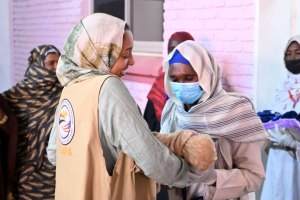
Today, the Sudanese American Physicians Association (SAPA) is working to change that reality. Through a focused rehabilitation effort, SAPA is restoring Ibrahim Malik Hospital so it can once again provide essential care to the community, ultimately reaching up to 40,000 patients every month.


Rebuilding Emergency Care and SAPA’s Work on the Ground
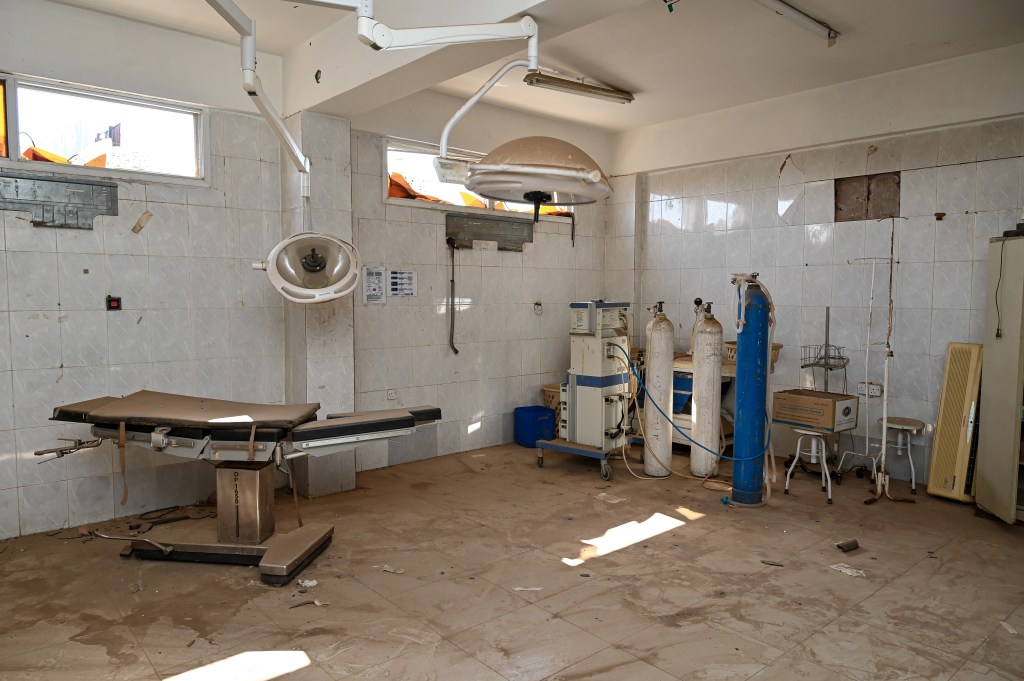
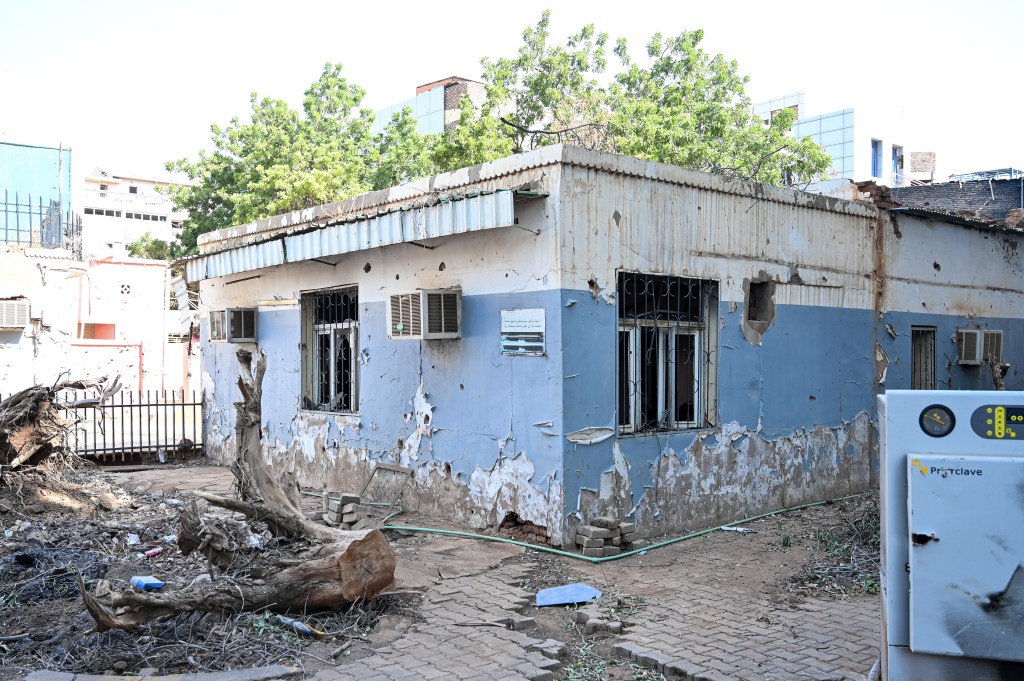
Years of instability and conflict have severely weakened Sudan’s health sector, particularly in urban centers like Khartoum. Many hospitals struggle with damaged infrastructure, limited supplies, and staff shortages, leaving patients with few options in moments of medical emergency.
Recognizing the urgency, SAPA has prioritized the rehabilitation of the Emergency Center at Ibrahim Malik Hospital. This phase focuses on restoring the hospital’s ability to receive, assess, and stabilize patients safely and efficiently. Emergency care is often the difference between life and death, and reviving this department is a critical first step in bringing the hospital back to full operation.
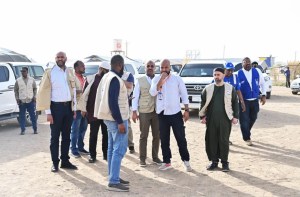
SAPA’s teams are working closely with local medical professionals to ensure that repairs, equipment readiness, and clinical workflows are aligned with real on-ground needs. This rehabilitation phase is already underway and is expected to be completed within the next two to three months, allowing the emergency department to resume functioning as a frontline lifeline for the community.
What Comes Next: Expanding Care for Children and Mothers
While emergency services are essential, the needs of the population extend far beyond immediate trauma care. Children, pregnant women, and newborns are among the most vulnerable groups affected by the collapse of healthcare services in Sudan. Preventable complications, untreated illnesses, and lack of maternal care continue to put lives at risk.
Following the completion of the emergency center, SAPA’s next phase will focus on rehabilitating pediatrics and obstetrics departments. These services are critical for addressing childhood illnesses, supporting safe pregnancies, and reducing maternal and newborn mortality. As additional departments are restored, Ibrahim Malik Hospital will steadily move toward comprehensive service delivery.
Once these phases are complete, the hospital is projected to serve approximately 40,000 patients per month, significantly easing pressure on an already strained healthcare system and restoring access to dignified, reliable medical care for thousands of families.
Why Funding Matters Now
Rehabilitating a major public hospital during an ongoing crisis is both complex and resource-intensive. While SAPA has the medical expertise, local partnerships, and operational plans in place, sustained funding is essential to complete this work.
Financial support directly enables the continuation of rehabilitation efforts, the expansion into pediatrics and obstetrics, and the overall readiness of the hospital to function at scale. Every contribution helps move Ibrahim Malik Hospital closer to full recovery, ensuring that patients are not turned away due to damaged facilities or unavailable services.
DONATE NOW
FAQs
1. What is Ibrahim Malik Hospital?
It is a major public hospital in Khartoum that has historically served large and underserved populations.
2. Why is SAPA involved in rehabilitating this hospital?
SAPA works to restore essential healthcare services in Sudan through physician-led, humanitarian initiatives.
3. How many patients will the hospital treat once fully restored?
The hospital is expected to treat up to 40,000 patients per month.
4. Which department is being rehabilitated first?
The Emergency Center is the first priority due to urgent, life-saving needs.
5. How long will the current rehabilitation phase take?
The emergency department rehabilitation is expected to be completed within 2–3 months.
6. What departments will be restored next?
Pediatrics and obstetrics are planned as the next phases.
7. Who will benefit most from this project?
Children, pregnant women, emergency patients, and families with limited access to care.
8. Does SAPA work with local medical teams?
Yes, SAPA collaborates closely with Sudanese healthcare professionals.
9. How are donations used?
Funds support rehabilitation, department readiness, and the restoration of essential services.
10. How can supporters help?
By contributing financially and sharing SAPA’s hospital rehabilitation efforts with others.