The Sudan Conflict: A Comprehensive Analysis
 sapa
sapaThe Sudan Conflict, a multi-faceted and enduring crisis, has captured global attention for decades. As we explore the layers of this conflict, it becomes apparent that historical, ethnic, economic, and political factors intertwine, creating a complex tapestry that demands careful examination. This comprehensive analysis aims to delve even deeper into the roots of the Sudan Conflict, understand what’s going on in Sudan (one of the poorest countries in the world), and examine its various dimensions, ongoing peace efforts, and the role of civil society in shaping the nation’s trajectory.
Sudanese Conflict:
Historical Context
Sudan’s post-colonial history has been marked by challenges arising from a legacy of colonial rule and internal divisions. The country gained independence in 1956, yet the deep-seated North-South divide persisted. The imposition of an Arab-Muslim identity in the northern region and neglect of the African-Christian or animist majority in the south laid the groundwork for the ethnic and religious tensions that would later erupt into conflict.
Ethnic and Religious Dimensions
Ethnic and religious diversity, often a source of strength, has unfortunately become a flashpoint for conflict in Sudan. The Darfur region has been a hotspot, with the Arab-led government in Khartoum accused of marginalizing non-Arab ethnic groups. The resulting tensions have given rise to violence, with the Janjaweed militia, allegedly supported by the government, implicated in severe human rights abuses.
Related Post: Is Sudan Safe?
Economic Factors
Economic disparities and resource competition have exacerbated the Sudan Conflict. Disputes over resource-rich regions like Abyei have fueled animosities between the North and the South. Economic mismanagement, corruption, and unequal resource distribution have contributed to a sense of deprivation among various ethnic and regional groups, further intensifying the conflict.
Related post: Is Sudan a Rich or Poor Country?
Impact on Humanitarian Conditions
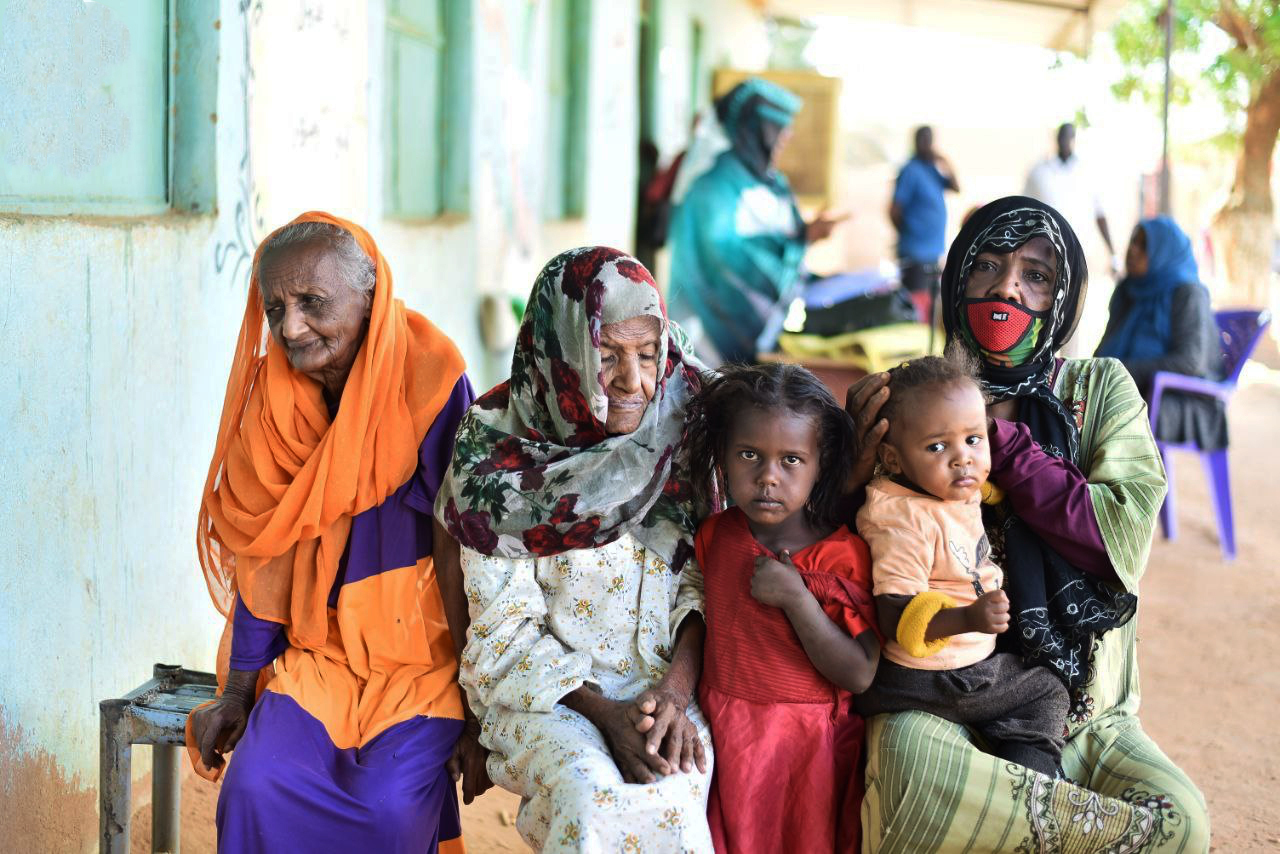
The human toll of the Sudanese Conflict is staggering. Millions have been displaced, and violence has led to the destruction of infrastructure, leaving communities in a state of despair. The resulting humanitarian crisis due to the Sudan civil war has manifested in widespread food insecurity, displacement, and a healthcare emergency, making Sudan one of the most pressing global humanitarian concerns.
International Response
The international community has not stood idly by, responding to the South Sudan Conflict with varying degrees of involvement. Organizations such as the United Nations (UN) and the African Union (AU) have engaged in mediation efforts, deploying peacekeeping missions like the UNAMID to stabilize the situation and protect civilians. However, these efforts have faced significant challenges, including non-cooperation from some parties and resource constraints.
Peace Processes and Agreements
Multiple peace processes and agreements have been initiated to bring an end to the Sudan Conflict. The Comprehensive Peace Agreement (CPA) of 2005, addressing the North-South divide, resulted in the secession of South Sudan in 2011. However, internal conflicts within South Sudan and ongoing issues in Sudan have hindered lasting peace.
The Darfur Peace Agreement (DPA) of 2006 and the Doha Agreement of 2011 aimed to address the Darfur crisis specifically. However, these agreements faced criticism for their limited inclusivity, as not all key stakeholders were involved.
Current Status and Ongoing Challenges
Despite political changes following the ousting of President Omar al-Bashir in 2019, the Sudan Conflict remains unresolved. The transitional government that followed has faced numerous challenges, including the disarmament of armed groups, economic difficulties, and the establishment of a unified national identity. Political instability and economic hardships have complicated the path to stability.
Role of Civil Society and Grassroots Movements
Amid the challenges, civil society and grassroots movements have emerged as influential agents for change. Sudanese citizens, particularly the youth and women, have been at the forefront of protests and demonstrations. Their demands for democratic reforms, justice, and an end to violence have echoed nationally and internationally, shaping the country’s political landscape.
The Way Forward
Resolving the Sudan Conflict necessitates a holistic, inclusive approach addressing root causes and involving all stakeholders. The international community must continue supporting Sudan’s pursuit of peace, offering diplomatic efforts, economic assistance, and justice for human rights abuses.
Efforts towards reconciliation, building a shared national identity, and fostering inclusive governance are crucial. Sustainable development initiatives, equitable resource distribution, and investment in education can mitigate economic and social disparities. By empowering marginalized communities and encouraging intergroup understanding, Sudan can move towards a future characterized by peace and prosperity.
In order to help the people of Sudan, it is imperative to donate to charities like SAPA that are working on programs like Hunger Relief. Make an impact and change the trajectory of the children and women in Sudan.
Conclusion
The Sudan Crisis remains a formidable challenge, deeply rooted in historical, ethnic, and economic complexities. Progress has been made, but lasting peace requires sustained, comprehensive efforts. The international community, alongside the Sudanese people and their leaders, must collaborate diligently. Through inclusivity, justice, and shared commitment, Sudan can overcome the legacy of conflict and build a more secure and prosperous future for its citizens.

FAQs
1. What are the key historical roots of the Sudan Conflict?
The Sudan Conflict traces back to colonial legacies and post-independence struggles, particularly the imposed Arab-Muslim identity in the north and marginalization of African-Christian and animist groups in the south—factors contributing to tensions in one of the poorest countries in the world.
2. How have ethnic and religious factors escalated conflicts in Sudan?
Ethnic and religious diversity, especially in Darfur, has led to violence with government-backed militias like the Janjaweed accused of human rights abuses, worsening instability and contributing to Sudan’s humanitarian crisis.
3. What economic issues exacerbate Sudan’s conflict?
Economic mismanagement, corruption, and disputes over resource-rich areas like Abyei have worsened ethnic tensions, feeding deprivation and conflict, as detailed in the post Is Sudan a Rich or Poor Country?.
4. What is the humanitarian impact of the Sudan Conflict?
Since April 2023, the conflict has displaced over 12.4 million people, triggered over 60,000 cholera cases with more than 1,600 deaths, and devastated infrastructure, causing widespread food insecurity and health emergencies amid the Sudan civil war.
5. What has been the international response to the Sudan Conflict?
The United Nations and African Union have deployed peacekeeping missions like UNAMID and initiated mediation efforts, though limited cooperation and resource challenges have hindered effective conflict resolution.
6. Which peace agreements have targeted the Sudan Conflict, and what were their outcomes?
The 2005 Comprehensive Peace Agreement led to South Sudan’s independence in 2011, while the 2006 Darfur Peace Agreement and 2011 Doha Agreement attempted to resolve regional conflicts but faced criticism for excluding key stakeholders (Darfur Peace Agreement).
7. What challenges hinder lasting peace and stability in Sudan today?
Post-2019 political instability, difficulties disarming armed groups, economic hardship, and struggles to establish a unified national identity remain significant obstacles.
8. How have civil society and grassroots movements influenced Sudan’s politics?
Youth and women-led grassroots movements have driven demands for democratic reform and an end to violence, shaping the country’s political trajectory and gaining international attention.
9. What comprehensive strategies are needed to resolve the Sudan Conflict?
Holistic approaches involving inclusive dialogue, reconciliation, equitable resource allocation, sustainable development, and empowerment of marginalized groups, supported by international diplomacy and aid, are crucial.
10. How can donations to SAPA programs support Sudan’s recovery?
Supporting SAPA’s Hunger Relief and initiatives for women in Sudan helps address acute humanitarian needs and foster resilience amid the ongoing Sudan Crisis, aiding millions affected by displacement and conflict.