

Top 10 Poorest African Countries in 2026 | Poorest African Nations
 mahnoor
Africa is a continent of contrasts, with breathtaking landscapes, rich cultures, and immense natural resources. However, it is also home to some of the world’s poorest countries, where millions of people struggle daily with poverty, hunger, and lack of access to necessities. These countries face severe challenges that require global attention and compassion. Understanding the struggles of these nations is crucial to addressing the root causes of poverty and finding sustainable solutions.
This blog explores the poorest African nations in 2026, the underlying causes of poverty, and the tireless efforts of the Sudanese American Physicians Association (SAPA) to alleviate these hardships.
>> Related Post: Top Poorest Muslim Countries in the World in 2026
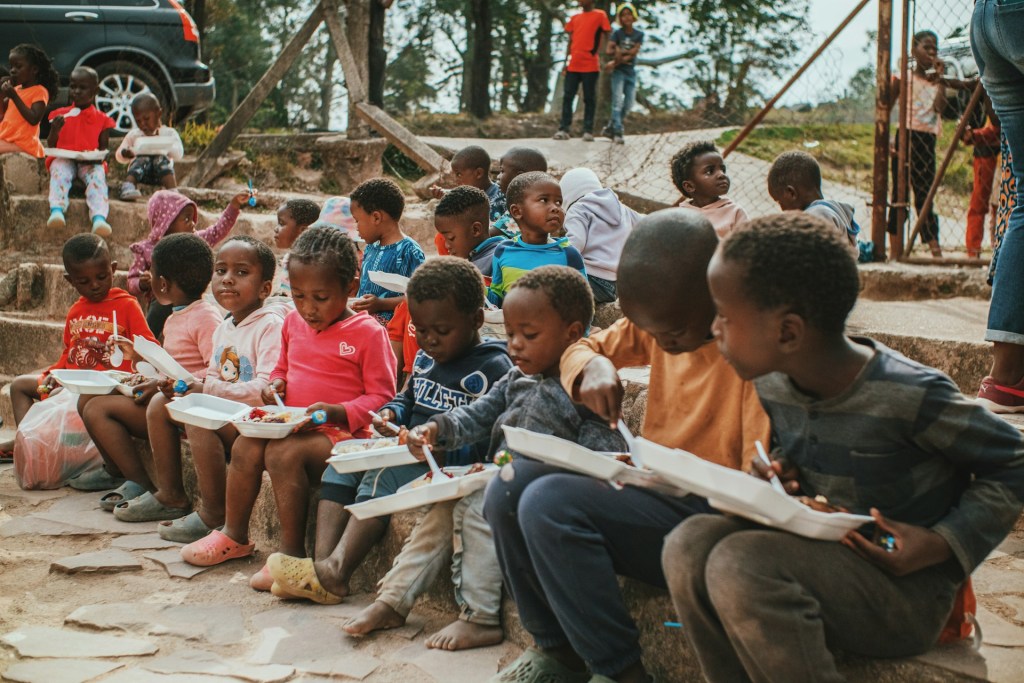
Causes of Poverty in Africa:
1. Economic Instability
Many African countries suffer from weak economies characterized by low GDP, high inflation rates, and limited industrial growth. These economic conditions hinder the development of robust infrastructure and social services. Even minor disruptions can devastate people’s lives when economies are fragile, leaving them without the means to support themselves and their families. Economic instability also limits access to jobs and markets, perpetuating a cycle of poverty.
2. Conflict and Political Instability
Political unrest, civil wars, and conflicts displace millions, disrupt economies, and destroy infrastructure, exacerbating poverty and making recovery difficult. War-torn regions face the challenge of rebuilding amidst ongoing violence and instability, making it nearly impossible to create a stable environment for economic growth and development.
The impact of conflict extends beyond immediate destruction. It breaks down social structures, displaces communities, and creates long-lasting trauma. Rebuilding after conflict requires extensive resources and international support, often unavailable to the most impoverished countries. Learn More about the Issue of Hunger in Africa.
3. Health Challenges
Diseases such as malaria, HIV/AIDS, and tuberculosis have devastating impacts on populations, reducing workforce productivity and increasing healthcare costs. In many African countries, healthcare systems are under-resourced and unable to cope with the high demand, leaving many without access to essential medical services. Illness can prevent individuals from working, leading to loss of income and increased financial strain.
4. Lack of Education
Education is a powerful tool for lifting individuals and communities out of poverty, yet many African countries struggle to provide even basic educational resources. Children who cannot access education are denied the skills and knowledge needed to secure better-paying jobs and improve their quality of life. This lack of education perpetuates generational poverty, as future generations are also deprived of opportunities for advancement and growth.
5. Climate Change
Droughts, floods, and other climate-related issues disproportionately affect African countries, leading to food insecurity and loss of livelihoods. Agriculture, a primary source of income for many African communities, is highly vulnerable to climate change, making it difficult for families to sustain themselves. Communities already struggling with poverty must also face the unpredictable impacts of climate-related disasters, which can wipe out crops, destroy homes, and displace families.
6. Poor Governance and Corruption
Corruption and poor governance divert resources away from development projects and essential services, leaving populations underserved. When government officials engage in corrupt practices, funds for public services such as healthcare, education, and infrastructure are often misappropriated. Poor governance also undermines public trust and stability, making implementing effective policies and programs difficult.
>> Related Post: Top Poorest Countries in the World in 2026
What is the Poorest Country in Africa? [2026]
The poorest country in Africa, according to the latest IMF data for 2025, is Burundi, with a GDP per capita estimated at only $214. This figure underscores the extreme economic challenges faced by the nation, arguably the most severe on the continent. Burundi’s economy remains largely dependent on subsistence agriculture, which employs over 85% of the population but is plagued by low productivity and vulnerability to climate shocks.
Political instability and structural constraints exacerbate Burundi’s poverty. Scarce foreign exchange reserves limit imports and investment, while fuel shortages disrupt transportation and trade. The fiscal deficit remains elevated, and public debt has increased, limiting the government’s ability to invest in critical infrastructure and social services. According to the IMF’s 2025 Article IV consultation, “addressing macroeconomic imbalances, exchange rate distortions, and reforming fiscal policy” are critical to stabilizing the economy and promoting inclusive growth (IMF Burundi Report).
The humanitarian situation is equally dire, with over 63% of Burundians living below the national poverty line. Food insecurity remains widespread, partly due to soil erosion and periodic displacement from ethnic conflicts, which have compounded living conditions over decades. Yet, Burundi’s society shows remarkable resilience, with efforts underway supported by both government reforms and international humanitarian aid aiming to restore stability and build long-term economic pathways (World Bank Burundi MPO).
>> Related Post: Best Sudanese Charities to Donate to in 2026
Top 10 Poorest Countries in Africa in 2026 (IMF GDP Per Capita):
1. Burundi | GDP per capita: $214
Burundi is the poorest country in Africa, struggling with political instability, structural economic challenges, and inflation surging to an average of 39% in early 2025. Its economy grew modestly by 3.5% in 2024 but faces tightening constraints due to foreign exchange shortages and fuel scarcity. Over 85% of workers rely on low-productivity subsistence farming. Reforms targeting fiscal consolidation, governance, and infrastructure development are underway, but more action is needed to stabilize the economy and reduce poverty.
2. Madagascar | GDP per capita: $503
Political turmoil and natural disasters like frequent cyclones disrupt an agriculture-driven economy, causing food insecurity and hindering growth. Madagascar’s unique biodiversity and cultural heritage present tourism opportunities that could boost the economy if political stability improves.
3. Malawi | GDP per capita: $506
Dependent on agriculture, Malawi struggles with climate vulnerabilities and faces inflation near 24% in 2025. While agricultural production is improving, food insecurity remains a challenge. The government works with international partners to enhance economic resilience and diversify growth.
4. Central African Republic | GDP per capita: $510
An ongoing conflict, political instability, and the presence of armed groups restrict development and aid delivery. Peacebuilding and community engagement are crucial for advancing recovery efforts and mitigating severe humanitarian crises.
5. Sierra Leone | GDP per capita: $517
Sierra Leone’s recovery continues after civil war and epidemics such as Ebola, focusing on rebuilding infrastructure and improving governance to stimulate economic growth.
6. Sudan | GDP per capita: $520
Sudan faces multifaceted challenges stemming from ongoing conflict, economic instability, and humanitarian needs. Inflation, currency devaluation, and the disruption of agriculture impede recovery efforts despite resource wealth. Continued humanitarian and peace initiatives are vital Sudan Crisis Details.
7. South Sudan | GDP per capita: $535
Still recovering from civil war, South Sudan experiences fragile institutions, widespread displacement, and food insecurity. Reconstruction and peacebuilding dominate agendas, supported by international donors and organizations.
8. Mozambique | GDP per capita: $645
Despite natural resource wealth, Mozambique’s growth is hindered by frequent disasters and political instability. Investment in infrastructure and disaster resilience is key to safeguarding livelihoods.
9. Somalia | GDP per capita: $651
Security challenges and governance weaknesses hamper Somalia’s development. International cooperation and aid are critical for stabilization and economic recovery.
10. Democratic Republic of Congo | GDP per capita: $654
The DRC’s rich natural resources are overshadowed by political instability, corruption, and conflict. Governance reforms and fair resource management are essential for equitable growth and poverty reduction.
>> Related Post: Best African Charities to Donate to in 2026
Role of SAPA in Alleviating Crises and Our Impactful Success Stories
The Sudanese American Physicians Association (SAPA) stands as a leading humanitarian and healthcare organization dedicated to aiding Africa’s most vulnerable populations. Recognized among the best African charities to donate to, SAPA tackles critical issues, including healthcare access, education, the North Africa Food Relief, and sustainable community development across some of the poorest and most affected regions in Sudan and beyond.
– Healthcare Initiatives
SAPA delivers vital medical care such as surgeries, essential medical supplies, and comprehensive health education programs. Our humanitarian missions have transformed thousands of lives by providing life-saving treatments and improving overall health outcomes. A flagship effort includes the impactful Sight in Sudan program, which combats early childhood blindness caused by malnutrition, enhancing the future of many Sudanese children. Additionally, mobile clinics in Sudan extend these services into remote communities, ensuring broader healthcare access.
– Education Programs
Education serves as a key to breaking the cycle of poverty. Through initiatives like Help Kids in Africa and specific sponsorships such as girls education in Sudan, SAPA supports scholarships, builds schools, and provides vital educational materials. These efforts empower children in underserved areas with the opportunity for a brighter future and contribute to long-term community resilience.
– Community Development
Understanding the importance of clean water and sustainable living, SAPA implements community projects focused on providing clean water access, sanitation, and promoting sustainable agriculture. The Water for Sudan initiative is a prime example, delivering clean, safe drinking water to underserved populations, which is crucial in preventing waterborne diseases and improving quality of life. Our holistic approach also embraces food security programs to combat hunger in Sudan and neighboring regions, linked to our broader responses to crises like the Sudan floods.
Success Stories Highlighting Our Impact:
– Qais’s Miraculous Recovery: Qais, a young boy suffering from a severe health condition, received critical, life-saving surgery through SAPA’s medical missions. Today, he enjoys a healthy life, a testament to the support from our generous donors.
– Amona’s Journey: Once facing a dire future in a remote village, Amona now attends school thanks to SAPA’s educational programs and nurtures dreams of becoming a teacher, embodying hope for Sudan’s future.
SAPA continuously works to address urgent needs arising from ongoing challenges such as the Sudan civil war, and frequent humanitarian emergencies. Our commitment to transparency and impact makes SAPA a trusted charity to online Sudan donations.
Conclusion
The challenges faced by the poorest countries in Africa are immense, but with concerted effort and global support, we can make a difference. Understanding the causes of poverty and working together to address them is crucial for creating a more just and equitable world.
SAPA remains dedicated to its mission of improving lives and fostering hope. Through our healthcare, education, and community development initiatives, we strive to create lasting change and empower communities to build a better future.
FAQs
1. What are the main causes of poverty in Africa?
Poverty in Africa stems from economic instability, conflict and political unrest, health challenges, lack of education, climate change, and poor governance. These factors create persistent cycles of hardship as outlined in the analysis of solutions to hunger in Africa.
2. Which African country is the poorest in 2026?
Burundi ranks as the poorest country with a GDP per capita of only $214, facing political instability, dependence on subsistence agriculture, and inflation rising to 39% in early 2025, more detailed in the Burundi economic overview.
3. What are the top ten poorest African countries in 2026 by GDP per capita?
The list includes Burundi, Madagascar, Malawi, the Central African Republic, Sierra Leone, Sudan, South Sudan, Mozambique, Somalia, and the Democratic Republic of Congo. Learn more about the poorest African countries ranking.
4. How does conflict exacerbate poverty in African countries?
Conflict disrupts economies, displaces millions, destroys infrastructure, and creates long-lasting trauma. The ongoing impact is covered in hunger in Africa.
5. What healthcare challenges contribute to poverty?
Diseases such as malaria, HIV/AIDS, and tuberculosis reduce workforce productivity and strain often under-resourced health systems — challenges addressed through multiple healthcare initiatives.
6. How is education linked to poverty alleviation?
Lack of access to quality education limits opportunities, perpetuating generational poverty. Education support is a priority in programs like Help Kids in Africa.

Comments (2)
KATO POLLITO
which position is uganda
William Jacobs
Western powers should stop meddling with the politics of African countries and destabilising them while stealing their resources. That’s the only way for these countries to have any form of progressive developments.