Clean water is a basic human right, yet many in Sudan lack access. Building wells provides a lasting solution, supplying safe drinking water for years. Your donation helps us bring clean water to communities in need.
Our team is actively providing purified water in Gezira, White Nile, Khartoum, and Northern State.
At SAPA, we are deeply committed to addressing the urgent healthcare needs in Sudan, especially in the aftermath of recent conflicts in Khartoum.
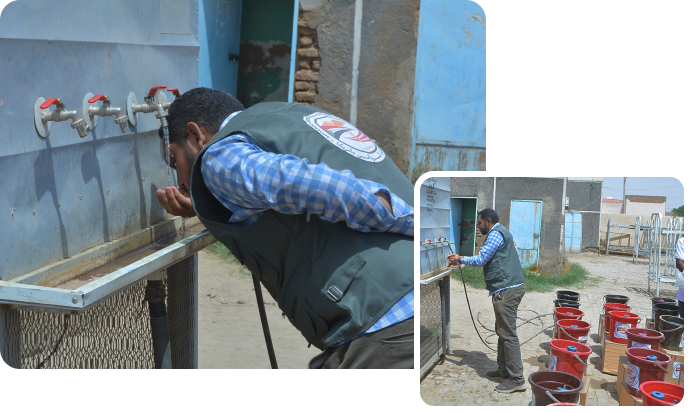
Access to clean water is a fundamental human right. SAPA’s clean water initiatives in South Sudan focus on delivering safe, reliable water sources to communities in need. Our teams have installed and repaired wells, introduced water purification systems, and expanded water distribution networks across multiple states.

Our commitment to the health and dignity of women has led us to distribute sanitary pads and provide education on menstrual health. This initiative spans different states, addressing a critical need and empowering women to lead healthier and more dignified lives. Promoting menstrual hygiene contributes to gender equality and overall community well-being.
We conduct workshops and awareness campaigns in various states, educating families on the importance of clean and safe living conditions. By teaching proper handwashing, waste disposal, and personal hygiene, we are helping communities prevent the spread of diseases and lead healthier lives.
Collaborating with local communities, we construct safe and accessible toilet facilities in multiple states. This initiative ensures improved sanitation in densely populated areas and mitigates the risks of open defecation. Through these efforts, we’re enhancing public health, safety, and privacy.
A major consequence of unsafe water is the prevalence of waterborne diseases like dysentery, typhoid, and cholera, which disproportionately affect young children and the elderly.
By addressing water contamination, we are reducing the prevalence of waterborne diseases and supporting healthier, more resilient communities.
Our commitment to the health and dignity of women has led us to distribute sanitary pads and provide education on menstrual health. This initiative spans different states, addressing a critical need and empowering women to lead healthier and more dignified lives. Promoting menstrual hygiene contributes to gender equality and overall community well-being.
We conduct workshops and awareness campaigns in various states, educating families on the importance of clean and safe living conditions. By teaching proper handwashing, waste disposal, and personal hygiene, we are helping communities prevent the spread of diseases and lead healthier lives.
Collaborating with local communities, we construct safe and accessible toilet facilities in multiple states. This initiative ensures improved sanitation in densely populated areas and mitigates the risks of open defecation. Through these efforts, we’re enhancing public health, safety, and privacy.
A major consequence of unsafe water is the prevalence of waterborne diseases like dysentery, typhoid, and cholera, which disproportionately affect young children and the elderly.
By addressing water contamination, we are reducing the prevalence of waterborne diseases and supporting healthier, more resilient communities.

Your Donations Provide Essential Sanitary Supplies and Clean Drinking Water.

The WASH program provides clean water, sanitation, and hygiene education by building wells, water purification systems, and safe toilet facilities to improve public health.
Our water projects are active in Gezira, White Nile, Khartoum, and Northern State, improving water access for thousands of people.
Before the conflict, around 11 million Sudanese lacked access to basic water and millions facing water scarcity.
Heavy rains and flooding displaced over 172,500 individuals between June and September 2024, damaging infrastructure and worsening water access.
Sudan has reported over 60,000 cholera cases and more than 1,600 deaths as of mid-2025.
Only about 2% of Sudan’s water supply is available for domestic use, much lower compared to 13% in developed countries.
UNICEF aims to provide safe water access to over 5 million people through water treatment and purification projects.
SAPA involves local communities in maintaining wells and sanitation facilities to ensure sustainable water access.