The Impact of Water Wells for Sudan – Individual Contribution & Costs
 sapa
sapaAccess to clean and safe water is a fundamental human right, yet in many parts of Sudan, this basic necessity remains a challenge due to a Civil War. Water scarcity poses significant health and economic burdens on communities, particularly in regions where water sources are scarce. In recent years, efforts to address this issue have led to the establishment of water wells, providing a lifeline to countless individuals and communities across Sudan. In this article, we explore the significance of water for Sudan, the transformative impact they have, and the avenues for individuals and organizations to contribute to this essential cause.
Sudan Clean Water Issues
Sudan, a country with diverse landscapes ranging from arid deserts to the Nile River basin, faces a severe water crisis. Proximity to water sources is not synonymous with access, as many communities grapple with contaminated water, waterborne diseases, and the arduous task of traveling long distances to fetch water.
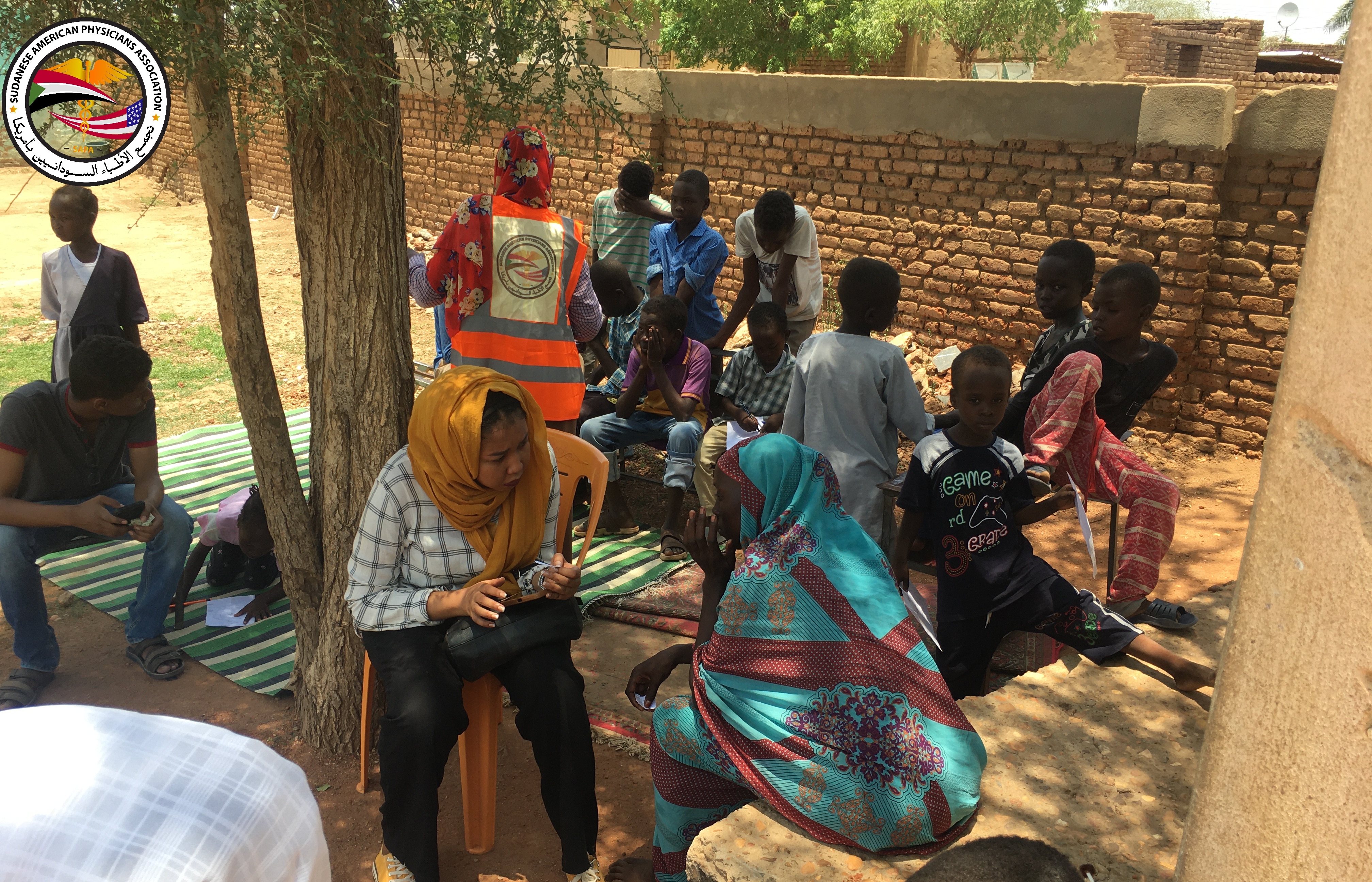
In rural areas, women and children often bear the responsibility of fetching water, spending hours each day on this essential but demanding task. The lack of access to clean water not only jeopardizes health but also hinders opportunities for education and economic development.
The Role of Water Wells
Providing a Sustainable Solution
Water wells play a pivotal role in addressing Sudan’s water crisis. Drilling wells in strategic locations ensure a local, sustainable source of clean water. These wells not only alleviate the immediate challenges of water scarcity but also contribute to long-term community development.
The impact of a water well extends beyond quenching thirst. It becomes a catalyst for change, promoting health, education, and economic stability within communities. As water becomes more accessible, the quality of life improves, opening avenues for progress.
Initiatives for Water Wells Construction in South Sudan
Local and International Efforts
Various organizations, both local and international, are actively involved in building Sudan Crisis Relief Funds to construct water wells in Sudan. These projects aim to reach underserved communities, focusing on areas where the need is most acute. Collaborative efforts involve drilling wells, implementing water purification systems, and educating communities on proper water usage and hygiene. One such organization is SAPA, providing the people of Sudan with aid and relief.
International organizations often partner with local NGOs to ensure that projects are culturally sensitive and sustainable. These initiatives not only address immediate water needs but also empower communities to manage and maintain their water sources effectively.
Impact on Health and Hygiene
One of the most significant impacts of water wells is the improvement in health and hygiene within communities. Access to clean water reduces the prevalence of waterborne diseases, which are a significant cause of illness, especially among children.
The availability of water for personal hygiene also contributes to improved well-being. Communities can establish sanitation practices, reducing the risk of diseases related to poor hygiene. The transformative effect on health is a testament to the power of water wells in enhancing the quality of life.
Education and Economic Empowerment
Breaking the Cycle of Poverty
Water wells have a profound impact on education, particularly for young girls. When the responsibility of fetching water is alleviated, girls can attend school regularly, breaking the cycle of limited educational opportunities. Improved access to education enhances the prospects of future generations, fostering a cycle of empowerment.
Furthermore, the time saved from water collection can be redirected towards economic activities. Families and communities can engage in agriculture, small businesses, and other income-generating endeavors, contributing to economic stability, combating with Sudan Food Crisis and poverty alleviation.
Related Post: Is Sudan Rich or a Poor Country?
How Individuals Can Contribute to Build Water Wells
Getting Your Name on a Well in South Sudan
Many individuals, inspired by the transformative impact of water wells, seek ways to contribute to these initiatives. Some organizations offer opportunities for individuals to support the construction of water wells and even have their names associated with specific projects.
The process typically involves Donating to Sudan for a well-drilling project. In return, donors may receive updates on the progress of the well, including its location and the community it serves. While the exact mechanisms vary among organizations, the intention is to create a personal connection between the donor and the positive change their contribution brings.
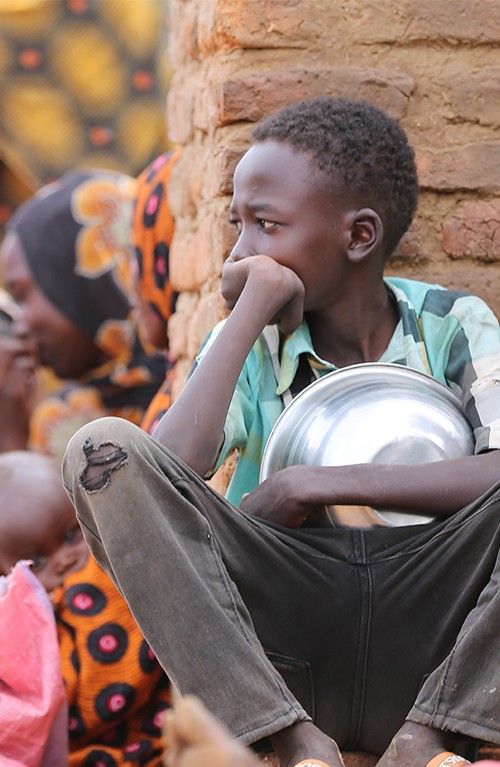
Provide clean water to dehydrated children in Sudan.
Quenching Thirst, Sparking Hope!

What is the Cost to Drill One Well in South Sudan?
The cost to drill one well in South Sudan can vary based on several factors, including the depth of the well, geological conditions, and logistical challenges. On average, the cost to drill a well in South Sudan ranges from $ 10,000 to $ 20,000. This includes expenses related to drilling equipment, labor, materials, and community engagement.
Organizations involved in well-construction projects often provide transparent breakdowns of costs to donors, ensuring accountability and clarity regarding how contributions are utilized. Donors can choose to fund an entire well or contribute towards a portion of the costs, depending on their preferences and capacity.
Visit our WATER RELIEF page for more details
Conclusion: Wells of Hope
In conclusion, water wells in Sudan represent more than just a source of water; they are wells of hope and catalysts for positive change in the lives of individuals and communities. The transformative impact on health, education, and economic empowerment underscores the importance of ongoing initiatives to address water scarcity due to the Sudan Crisis.
Individuals have a vital role to play in supporting these initiatives, whether through financial contributions, volunteering, or raising awareness. The possibility of getting your name associated with a well in South Sudan adds a personal touch, creating a connection between donors and the communities they help uplift.
As we celebrate the successes of water well projects and acknowledge the challenges that persist, it’s crucial to recognize that the journey towards universal access to clean water is ongoing. Each well drilled represents a step towards a future where every individual in Sudan can enjoy the basic human right of access to safe and clean water.
FAQs
1. What are the primary drivers of Sudan’s water crisis and its effects on communities?
Sudan’s water crisis is driven by the prolonged Civil War, climate variability, and displacement, leaving over 11 million Sudanese without access to basic water services. This scarcity severely impacts health and livelihoods as highlighted by SAPA’s water for Sudan initiative.
2. How do water wells contribute to sustainable water access and community development in Sudan?
Water wells provide local, reliable clean water sources, reducing scarcity and enabling improvements in health and education, fostering economic growth and aligning with SAPA’s goal for sustainable community development.
3. What role do collaborative efforts play in constructing water wells across Sudan?
Partnerships such as Sudan Crisis Relief Funds integrate drilling, water purification, and hygiene education, enhancing SAPA’s impact through culturally sensitive, community-focused projects.
4. How have water wells improved health outcomes and reduced disease prevalence in Sudanese communities?
Access to clean water from wells has contributed to lowering waterborne diseases amid recent outbreaks of cholera, which caused over 60,000 reported cases and 1,600 deaths between August 2024 and May 2025. SAPA’s Water Wells projects are central in mitigating such health crises.
5. What impact do water wells have on educational opportunities and economic empowerment in Sudan?
They reduce the time girls spend fetching water, thereby increasing attendance rates and enabling families to pursue agriculture and small businesses, mitigating effects of the Sudan Food Crisis and poverty.
6. How can individual donors contribute to water well projects in South Sudan?
Donors can make contributions through SAPA’s Donating to Sudan program with the option to link their names to specific wells, strengthening ties between donors and communities.
7. What is the average cost of drilling a water well in South Sudan?
Drilling costs typically range from $10,000 to $20,000, with SAPA providing transparent cost breakdowns on their Water Relief page, consistent with findings from the International Water Association on efficient water systems.
8. Why are water wells considered vital for hope in Sudan during the crisis?
They represent essential progress toward universal water access, improving health, education, and economic resilience amidst the Sudan Crisis, supporting SAPA’s sustainable development efforts.
9. Do organizations provide updates on water well projects to donors?
Yes, SAPA and partners provide regular updates on well locations, community impacts, and project progress, ensuring accountability and ongoing donor engagement.
10. How do water wells help reduce gender inequality and improve school attendance?
By alleviating the burden of water collection on women and girls, wells improve girls’ school attendance and enable women’s participation in economic activities, advancing SAPA’s gender equity initiatives.


Comment (1)
h
gud