5 Ways to Reduce Hunger/Poverty in Africa [Best Solutions]
 mahnoor
Hunger and poverty in Africa have been ongoing challenges for decades, leaving millions of people struggling to survive every day. It’s not just about food but dignity, opportunity, and the chance to lead a meaningful life. Families across the continent face severe food insecurity, malnutrition, and a lack of primary resources. Behind these numbers are real people, real families, and natural children, each with their own stories of pain and survival. But amidst the hardship, there is hope. We can be part of the solution by supporting initiatives to break the cycle of hunger and poverty.
This blog will explore five impactful ways to reduce hunger and poverty in Africa, providing solutions that can help transform lives. We will also highlight the role of the Sudanese American Physicians Association (SAPA) in fighting hunger and poverty across the continent, especially in North Africa. Let’s dive deeper into the numbers, the issues, and the solutions that can bring hope and change.
>> Related Post: Countries with Highest Poverty Rate in 2025
African Hunger Statistics
The statistics surrounding hunger in Africa are heartbreaking. According to the United Nations, over 280 million people in Africa suffer from hunger, accounting for more than 20% of the continent’s population. Africa is the region most affected by food insecurity in the world. Conflicts, economic instability, and environmental challenges like droughts and floods have exacerbated the situation.
Children are especially vulnerable. According to SAPA, millions of African children suffer from chronic malnutrition, which stunts their growth and affects their ability to learn. Without access to nutritious food, their futures are at risk. According to the World Food Program, nearly 60% of the world’s acutely food-insecure people live in Africa.
While the problem is vast, there is hope through collaborative efforts, innovative farming practices, and community-focused solutions that can help end the cycle of hunger and poverty.
>> Related Post: Causes of Hunger in Africa
5 Impactful Ways to Reduce Hunger and Poverty in Africa in 2025:
1. Promoting Sustainable Agriculture
Promoting sustainable agricultural practices is one of the most effective ways to combat hunger. Farming is the backbone of African economies, with 60% of the population relying on agriculture for their livelihoods. However, outdated farming methods, poor soil quality, and climate change have diminished crop yields. To address this, there’s a need for investment in more modern, efficient farming techniques that can adapt to local climates and soil conditions.
Programs that teach farmers sustainable practices—like crop rotation, agroforestry, and the use of organic fertilizers—can make a huge difference. When farmers grow more food, they not only feed their families but also have extra to sell, which helps lift them out of poverty.
>> Related Post: Sudan Climate Change: Causes, Impact
2. Access to Clean Water and Irrigation
Water is essential for life and agriculture, yet millions of Africans cannot access clean water. In rural areas, people often rely on rain-fed farming, a major challenge during droughts. Without access to water for irrigation, crops fail, and families go hungry.
One solution to this problem is investing in better irrigation systems and water management. Communities need to have access to clean and safe drinking water and reliable irrigation infrastructure. This can dramatically improve crop production and ensure that people have enough food to eat, even during drought.
>> Related Post: Best Charities for Food Insecurity in 2025
3. Empowering Women in Agriculture
Women comprise the majority of farmers in many parts of Africa, yet they often face significant barriers to accessing resources like land, credit, and education. Studies have shown that women with the same access to resources as men can increase farm productivity by 20–30%.
Empowering women farmers through education, access to credit, and land ownership can lead to increased agricultural productivity, better food security, and reduced poverty. It also strengthens communities, as women tend to invest more in their families and communities, creating a ripple effect of positive change.
4. Improving Education and Healthcare
Education and healthcare are critical components of poverty reduction. In many parts of Africa, children miss education because they are too hungry to learn or because their families need them to work to support the household. Poor healthcare also exacerbates hunger, as malnourished children are more susceptible to diseases, and sick adults are unable to work and provide for their families.
Improving access to quality education and healthcare can give children and families the tools they need to break free from the cycle of poverty. Education provides children with the skills they need to succeed in life, while access to healthcare ensures that families can stay healthy and productive.
5. Supporting Local and International Aid Organizations
Many organizations are doing incredible work in Africa to reduce hunger and poverty. From international bodies like the World Food Programme to grassroots organizations like SAPA, their efforts have saved lives and transformed communities. Supporting these organizations—whether through African online donations, volunteering, or raising awareness—can have a profound impact.
Organizations like SAPA are crucial in providing food aid, medical care, and other essential services to needy communities. Their work ensures that vulnerable populations, such as children and the elderly, receive the help they need to survive and thrive.
>> Related Post: Top 10 Poorest African Countries
Role Played by SAPA in Reducing Hunger and Poverty in Africa
The Sudanese American Physicians Association (SAPA) has been at the forefront of fighting hunger and poverty in Africa, particularly in Sudan and other parts of North Africa. SAPA provides much-needed medical care, food aid, and educational support to vulnerable communities.
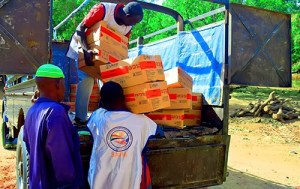
During crises, such as droughts and conflicts, SAPA has mobilized resources to deliver emergency food and medical supplies. They have worked with local partners to ensure that food reaches those who need it most, including women, children, and the elderly.
In addition to providing immediate relief, SAPA is focused on long-term solutions. They support projects that empower communities through education and healthcare, which are key to breaking the cycle of poverty. Their programs aim to build stronger, healthier communities where people have the tools they need to succeed and lead dignified lives.
SAPA’s work has made a real difference in the lives of many people. Their commitment to reducing hunger and poverty is a testament to the power of compassion and action.
>> Related Post: Best African Charities in 2025
Conclusion
Hunger and poverty in Africa are deeply interconnected issues that require collective effort and innovative solutions. From promoting sustainable agriculture and empowering women farmers to improving education and healthcare, there are many ways we can help reduce hunger and poverty across the continent.
Organizations like SAPA are on the frontlines, working to provide both immediate relief and long-term solutions to some of Africa’s most vulnerable communities. Their work reminds us that even in the face of seemingly insurmountable challenges, change is possible.
We can all play a role in this fight, whether by donating, volunteering, or simply raising awareness. Together, we can help build a future where no one has to go to bed hungry and every child has the opportunity to live a full and healthy life.
FAQs: Solutions to Hunger in Africa
1. What is the main cause of hunger in Africa?
Hunger in Africa is caused by a combination of factors, including poverty, conflict, poor agricultural infrastructure, and climate change. Many people rely on farming, but without modern farming techniques and proper water management, food production is low, leading to food insecurity.
2. How can sustainable agriculture help reduce hunger in Africa?
Sustainable agriculture improves food production by teaching farmers better techniques that work with the environment. It ensures crops can grow even during challenging conditions, providing more food for families and communities.
3. How does SAPA contribute to fighting hunger in Africa?
SAPA provides medical care, food aid, and educational support to vulnerable communities, especially in North Africa. They deliver emergency food during crises and support long-term projects that aim to reduce hunger and poverty by empowering communities.
4. Why is empowering women important in the fight against hunger?
Women make up a large portion of farmers in Africa, but they often lack access to resources like land and credit. Empowering women farmers can increase food production and help lift entire communities out of poverty.
5. What can I do to help reduce hunger in Africa?
You can help by donating to organizations like SAPA, raising awareness about hunger issues, or volunteering your time to support local or international hunger relief efforts. Every little action can make a big difference in the lives of those affected by hunger.