What is Happening in Sudan? | Sudan Situation [2026]
 sapa
sapaSudan, a nation rich in history and cultural diversity, has been grappling with a complex and challenging situation in recent times. The Sudanese people have faced a multitude of issues, ranging from political upheavals to economic crises to poverty and armed conflicts. So, what is happening in Sudan? This blog seeks to delve into the details of the current situation in Sudan, shedding light on the key factors that contribute to the challenges faced by the nation.
Related Post: top 10 poorest countries in the world

What’s Happening in Sudan?
To comprehend what is happening in Sudan, one must first acknowledge the historical context of the civil war in Sudan that has shaped the country. Sudan has a history marked by colonization, like the current Wad Madani crisis, and geopolitical struggles. Additionally, the division between the North and South, rooted in cultural and religious differences, has played a significant role in the challenges faced by the nation.
Political Instability
One of the central elements contributing to the current Sudan situation is political instability. Over the years, Sudan has witnessed numerous regime changes, military coups, and shifts in governance. The political landscape has been marred by authoritarian rule and a lack of political stability, impacting the country’s ability to address pressing issues effectively.
Economic Challenges
The economic challenges faced by Sudan have exacerbated the overall situation. Economic instability, inflation, and a struggling currency have created hardships for the Sudanese people. The scarcity of resources and a fragile economy contribute to the difficulties in providing essential services and improving living conditions for the population.
Humanitarian Crisis
The situation in Sudan has given rise to a severe humanitarian crisis. The ongoing armed conflicts, particularly in regions like Darfur and South Kordofan, have resulted in widespread displacement and a large number of internally displaced persons (IDPs). The impact on civilians, especially women and children, has been devastating, with reports of violence, displacement, and a lack of access to essential services.
Revolution and Hope
Amidst the challenges, Sudan has also witnessed moments of hope and resilience. The Sudanese Revolution that began in December 2018 marked a turning point in the nation’s history. Protests erupted across the country, demanding political change, justice, and an end to authoritarian rule. The revolution ultimately led to the ousting of President Omar al-Bashir in April 2019, giving the people a renewed sense of hope for a better future.
Transitional Government
Following the ousting of President al-Bashir, Sudan embarked on a delicate journey towards a transitional government. The transitional period aims to pave the way for civilian rule and democratic elections and address the root causes of the country’s challenges. However, this transition has not been without its own set of complexities and obstacles.
International Involvement
The situation in Sudan has drawn the attention of the international community. Various organizations and countries have offered support, both in terms of humanitarian aid and diplomatic assistance. The international community plays a crucial role in influencing the trajectory of Sudan’s future and aiding in the resolution of the ongoing challenges.
Role of Social Media and Activism
In the digital age, social media has become a powerful tool for activism and raising awareness. Platforms like Twitter, Facebook, and Instagram have played a significant role in amplifying the voices of Sudanese activists and providing a platform for the global community to stay informed about the situation. Additionally, Hashtags such as #SudanUprising and #StandWithSudan have gained traction, creating solidarity and drawing attention to the ongoing struggles.
Related Post: Sudan Fun Facts
The Situation in Sudan
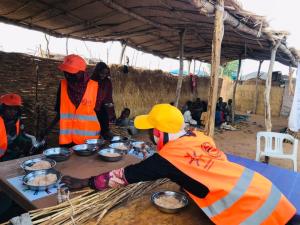
As of the latest reports, the Sudan crisis persists, rendering the situation in Sudan complex and multifaceted. The transitional government grapples with economic challenges, political reforms, and the intricate path towards democratic elections. Concurrently, the Sudan food crisis intensified, exacerbated by a water crisis and the pressing need for water wells in Sudan. The resulting armed conflicts in specific regions contribute to community displacement, worsening the human rights in Sudan.
Amidst these challenges, civil society organizations, activists, and ordinary citizens in Sudan actively advocate for positive change and hold those in power accountable. Efforts, including Sudan online donations and initiatives like the Sudan Relief Fund and Water for Sudan, play a crucial role in addressing Sudan hunger relief and supporting the rights of Sudanese children. These collective actions reflect the resilience and determination of the Sudanese people in their pursuit of a better future despite the complexities surrounding what is happening in Sudan.
Conclusion
In conclusion, the answer to what is happening in Sudan is a complex interplay of historical legacies, political challenges, economic hardships, and humanitarian crises. While the nation has experienced moments of hope, such as the Sudanese Revolution, the path toward stability and prosperity remains fraught with difficulties. International support, diplomatic efforts, and the active engagement of the Sudanese people are essential components in addressing the challenges and building a more secure and prosperous future for Sudan.
FAQs
1. What is the scale of the humanitarian crisis in Sudan as of 2026?
Sudan is experiencing the world’s most devastating humanitarian crisis with over 30.4 million people in need of assistance, which is more than two-thirds of the country’s population. Over 12 million people have been forcibly displaced since the conflict escalated in April 2023, making it the fastest-growing displacement crisis worldwide.
2. How widespread is food insecurity and famine in Sudan?
More than 24 million people face acute food insecurity, with famine conditions confirmed in at least five areas as of late 2024. Famine risks are expected to spread further, severely impacting vulnerable populations.
3. What is the current displacement situation inside Sudan?
As of December 2024, Sudan had about 11.5 million internally displaced persons (IDPs), an increase of 1.5 million IDPs since January 2024. Total displacement, including refugees who fled abroad, exceeded 10.7 million people.
4. How has the health system been impacted by the conflict?
Sudan’s health system is collapsing, with over 80% of hospitals in conflict zones non-operational. Between August 2024 and May 2025, the Ministry of Health reported over 60,000 cholera cases resulting in more than 1,600 deaths, putting millions, including 3.4 million children under five, at high risk of epidemics.
5. What is the death toll and violence level in Sudan?
Since the start of the conflict, more than 18,800 civilians have been reported killed, with violence intensifying and many civilians affected by indiscriminate shelling and attacks on civilian infrastructure.
6. What is the impact on women and girls amid the crisis?
Women and girls are highly vulnerable, facing sexual violence, forced marriage, and abduction. For example, during a recent attack in South Kordofan, the majority of 79 victims were women and girls, according to UN reports.
7. How is SAPA contributing to alleviating the crisis in Sudan?
SAPA is actively involved in humanitarian initiatives, including the Sudan Relief Program, providing emergency food, healthcare, and essential services to displaced populations and vulnerable groups.
8. What are the critical water and sanitation challenges in Sudan currently?
The ongoing conflict, combined with infrastructure damage, has created a water crisis, with critical needs for clean water access being addressed partly through SAPA’s water wells projects.
9. How is education being affected, particularly for children in crisis zones?
Displacement and conflict have disrupted education for millions of children. SAPA’s efforts include support for Sudanese children’s education through programs aimed at increasing access and retention.
10. How can individuals support Sudan’s humanitarian needs?
Donations to SAPA’s Sudan online donations and targeted initiatives like Sudan Hunger Relief help provide essential aid in food security, health, water, and education to millions affected by the ongoing Sudan Crisis.