
Who is Eligible for Zakat [8 Recipients] | Who Should Pay Zakat?
 sapa
sapaZakat, one of the Five Pillars of Islam, is a form of almsgiving designed to support those in need and promote social justice within the Muslim community. The obligation to give Zakat is deeply rooted in Islamic teachings, emphasizing the responsibility of those with wealth to share it with those less fortunate. In this comprehensive exploration, we will delve into the intricacies of Zakat eligibility, the categories of recipients, whether family members can receive Zakat, and who is not eligible for Zakat.
Understanding Zakat Obligation:
One’s financial standing and assets primarily determine zakat obligation. In Islam, certain conditions must be met for an individual to be considered eligible to pay Zakat.
Who Should Give Zakat?
Zakat is mandatory for individuals who meet the following criteria:
1. They must be free individuals; slaves are exempt from paying zakat.
2. The obligation of zakat applies to Muslims. It is a religious duty similar to the five daily prayers.
3. The individual must be of sound mind, according to Imam Abu Hanifa. However, Imam Malik believes that even an insane person is still liable for zakat.
4. Zakat is obligatory for adults. Children are not required to pay zakat, even if they possess enough wealth to make it obligatory. Yet, both Imam Shafi’i and Imam Malik assert that the guardians of children should fulfill the zakat on their behalf.
5. The person must have complete ownership and control of their wealth. They should own and possess the wealth and have the freedom to spend or dispose of it as they wish. If someone has loaned their wealth, they are not in a position to spend it until it is repaid.
6. Possession of wealth above the Nisab threshold is a prerequisite. The individual should possess wealth exceeding a defined amount necessary to meet the essential needs of themselves and their dependents (Nisab).
7. They must be free from debt. If an individual is in debt, they can deduct their debts from their assets. If the remaining amount is still above the Nisab threshold, zakat is due; otherwise, it is not.
8. The individual must possess the wealth for one complete lunar (Hijrah) year. Zakat becomes obligatory if one owns zakatable wealth for a lunar year, provided the total amount of wealth exceeds the Nisab at the beginning and end of the year, regardless of fluctuations during the months in between.
Related Post: What is Zakat Al Fitr?
8 Recipients of Zakat: People Who Can Receive Zakat
Zakat is typically distributed among eight distinct categories, as outlined in the Quran:
“Indeed, the prescribed charitable offerings are only to be given to the 1. The poor 2. The needy 3. To those who work on administering it 4. Those who have a reconciliation of heart (those who have embraced Islam or are inclined to it) 5. To free those in bondage 6. To the debt-ridden 7. For the cause of God 8. To the wayfarer This is an obligation from God. And God is all-knowing, all-wise.” Qur’an 9:60
1. The Poor (Al-Fuqara):
Those who do not possess enough wealth to meet their basic needs.
2. The Needy (Al-Masakin):
Individuals face financial hardship but have some resources that are insufficient to cover their necessities.
3. Those Employed to Administer Zakat (Al-Aamileen):
Individuals employed to collect, manage, and distribute Zakat.
4. Those Whose Hearts are to be Reconciled (Al-Mu’allafat al-Quloob):
Individuals who are inclined towards Islam or those whose hearts need to be softened towards the Muslim community.
5. Those in Bondage (slaves and captives) (Fir-Riqab):
To help free individuals from slavery or captivity.
6. Debtors (Al-Gharimeen):
Those in debt who cannot settle their debts with their current resources.
7. In the Cause of Allah (Fi Sabilillah):
Individuals engaged in activities that benefit the broader Muslim community, such as scholars, educators, and those defending the Muslim community.
8. The Wayfarer (Ibn Sabil):
Travelers or strangers who are in need while away from their homes.
Can You Give Zakat to Family?
One common question is whether Zakat can be given to family members. According to traditional Islamic scholars, Zakat cannot be given to one’s direct ascendants (parents, grandparents) or descendants (children, grandchildren). However, if they meet the eligibility criteria, giving Zakat to other relatives, such as siblings, aunts, uncles, and cousins is permissible.
This restriction intends to ensure that Zakat fosters a sense of community and assists those not directly responsible for the individual giving Zakat. It is a means of strengthening the bonds between different Muslim community members.
Who is Not Eligible to Receive Zakat:
While Zakat is a powerful tool for alleviating poverty and promoting social justice, some specific individuals are generally not eligible to receive Zakat. These include:
1. Direct Ascendants and Descendants:
As mentioned earlier, direct ascendants and descendants are not eligible to receive Zakat from their family members.
2. Those with Sufficient Wealth:
Individuals who possess wealth above the Nisab threshold are not eligible for Zakat. The purpose of Zakat is to assist those in need, and giving it to those with sufficient means would defeat the purpose.
3. Non-Muslims (in some interpretations):
While some scholars permit Zakat to be given to non-Muslims in specific circumstances, there are varying opinions on this matter. It is essential to consult with a knowledgeable religious authority to determine the appropriate course of action.
4. Those Engaged in Sinful Activities:
Some scholars argue that Zakat should not be given to individuals engaged in sinful or harmful activities, as it may indirectly support such behaviors.

Sadaqah and Voluntary Giving
While Zakat is a mandatory form of charity for eligible individuals, Islam encourages voluntary acts of charity known as Sadaqah. Sadaqah encompasses a wide range of charitable acts, allowing individuals to give beyond their Zakat obligations. This voluntary giving provides flexibility to address unique and specific needs within the community.
Fastest & Securest Way to Pay ZAKAT ONLINE👇
Zakat Related Resources & Posts:
- Zakat Calculator Online
- Pay Zakat Donation Online
- Zakat Al Fitr
- Zakat Al Maal
- Differences Between Zakat and Sadaqah
- Zakat in Quran & Hadith
- Zakat Nisab
- Zakat Recipients
Transform Lives with Your Zakat through SAPA
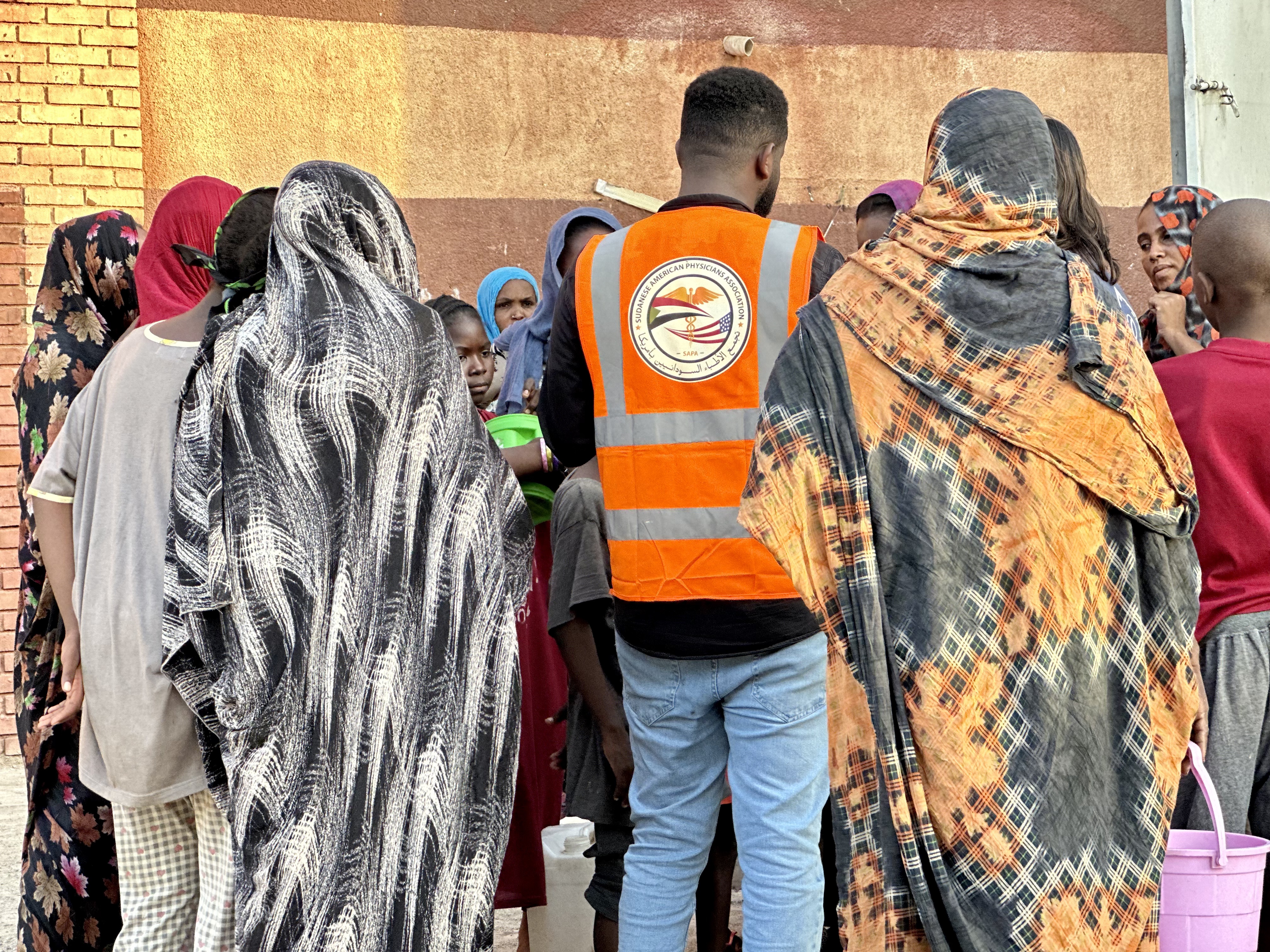
As we navigate the diverse landscape of Zakat eligibility and categories, consider the transformative impact your contributions to the top 10 charities to donate to in 2025 can make. SAPA stands as a beacon, providing a secure and transparent platform for your Zakat donations.
Take a moment to reflect on the teachings of Islam, the principles of Zakat, and the transformative potential of your giving. Join SAPA in fulfilling the obligations of Zakat and staying informed about Sudan news, including human rights issues, the Sudanese women’s situation, and what is happening in Sudan. Your donation can contribute to addressing the Sudan civil war, the Sudan crisis, the Sudan water crisis, and supporting water wells in Sudan.
Donate to SAPA now and participate in a movement dedicated to creating positive change, including Sudan Hunger Relief. Your Zakat can uplift communities, empower individuals, and build a more compassionate and equitable world. Support the Sudan Relief Fund, contribute to Water for Sudan, and make a lasting impact with SAPA.

FAQs
1. Who is obligated to pay Zakat?
Zakat is mandatory for Muslims who are free individuals, adults of sound mind, and possess wealth above the Nisab threshold for one lunar year, ensuring their wealth meets the conditions to fulfill this religious duty.
2. What is Nisab, and why is it essential for Zakat eligibility?
Nisab is the minimum amount of wealth a person must have before Zakat becomes obligatory, acting as a financial threshold to support only those who can afford to give.
3. Can individuals in debt pay Zakat?
Individuals can deduct their debts from their assets; if the remaining wealth still exceeds the Nisab, they are obligated to pay Zakat. Otherwise, it is not required.
4. Are children required to pay Zakat?
Children are not personally required to pay Zakat, but their guardians should fulfill this obligation on their behalf according to certain Islamic scholars.
5. Who can receive Zakat under Islamic law?
Zakat recipients fall into eight categories, including the poor, needy, those employed to collect Zakat, converts to Islam, slaves seeking freedom, debt-ridden individuals, those striving in God’s cause, and travelers in need.
6. Can Zakat be given to family members?
Zakat cannot be given to direct ascendants or descendants (such as parents or children), but can be given to other relatives like siblings or cousins if they qualify as eligible recipients.
7. Who is not eligible to receive Zakat?
Those with sufficient wealth above Nisab, direct ascendants and descendants, and, according to some opinions, individuals engaged in sinful activities, are generally not eligible to receive Zakat.
8. What is the difference between Zakat and Sadaqah?
Zakat is an obligatory form of charity with defined rules and recipients, while Sadaqah is a voluntary charity that can be given at any time for any cause. SAPA provides further explanation on the differences between Zakat and Sadaqah.
9. How does Zakat contribute to social justice?
Zakat redistributes wealth to support vulnerable members of the community, promoting economic equity and fulfilling an essential pillar of Islam by alleviating poverty and fostering social cohesion.
10. How can donating Zakat through SAPA make an impact?
By donating Zakat via SAPA’s secure platform, you support critical initiatives addressing ongoing crises in Sudan such as the Sudan civil war, water scarcity, and hunger relief, helping to improve lives and uphold human rights in Sudan.
1. Who is obligated to pay Zakat?
Zakat is mandatory for Muslims who are free individuals, adults of sound mind, and possess wealth above the Nisab threshold for one lunar year, ensuring their wealth meets the conditions to fulfill this religious duty.
2. What is Nisab, and why is it essential for Zakat eligibility?
Nisab is the minimum amount of wealth a person must have before Zakat becomes obligatory, acting as a financial threshold to support only those who can afford to give.
3. Can individuals in debt pay Zakat?
Individuals can deduct their debts from their assets; if the remaining wealth still exceeds the Nisab, they are obligated to pay Zakat. Otherwise, it is not required.
4. Are children required to pay Zakat?
Children are not personally required to pay Zakat, but their guardians should fulfill this obligation on their behalf according to certain Islamic scholars.
5. Who can receive Zakat under Islamic law?
Zakat recipients fall into eight categories, including the poor, needy, those employed to collect Zakat, converts to Islam, slaves seeking freedom, debt-ridden individuals, those striving in God’s cause, and travelers in need.
6. Can Zakat be given to family members?
Zakat cannot be given to direct ascendants or descendants (such as parents or children), but can be given to other relatives like siblings or cousins if they qualify as eligible recipients.
7. Who is not eligible to receive Zakat?
Those with sufficient wealth above Nisab, direct ascendants and descendants, and, according to some opinions, individuals engaged in sinful activities, are generally not eligible to receive Zakat.
8. What is the difference between Zakat and Sadaqah?
Zakat is an obligatory form of charity with defined rules and recipients, while Sadaqah is a voluntary charity that can be given at any time for any cause. SAPA provides further explanation on the differences between Zakat and Sadaqah.
9. How does Zakat contribute to social justice?
Zakat redistributes wealth to support vulnerable members of the community, promoting economic equity and fulfilling an essential pillar of Islam by alleviating poverty and fostering social cohesion.
10. How can donating Zakat through SAPA make an impact?
By donating Zakat via SAPA’s secure platform, you support critical initiatives addressing ongoing crises in Sudan such as the Sudan civil war, water scarcity, and hunger relief, helping to improve lives and uphold human rights in Sudan.