Welcome to SAPA’s Zakat initiative – a gateway to transformative giving and impactful change. Delve into the essence of zakat, discover its significance, and learn how SAPA’s dedicated platform facilitates your zakat journey with ease and purpose.
Zakat Charity 2026 in the USA & UK plays a crucial role in supporting the less fortunate and fulfilling a fundamental pillar of Islam. Muslims in the USA and UK contribute Zakat to help those in need, including the poor, needy, orphans, and widows, among others. These donations are typically distributed through various charitable organizations and initiatives that aim to alleviate poverty and improve the well-being of communities. By giving Zakat, individuals fulfill their religious obligation while making a positive impact on society.
The primary purpose of zakah is to redistribute wealth and ensure the well-being of all members of the community. By requiring those with financial means to contribute a portion of their wealth to those in need, zakat fosters a sense of communal responsibility and solidarity.


Zakat (Zakah) or Zakat Al Maal is a form of almsgiving, a mandatory charitable contribution, that Muslims are obligated to fulfill as an integral part of their religious duty as mentioned in Quran & Hadith. It serves as a means to purify one’s wealth, promote social welfare, and address economic inequalities within the Muslim community.
“Those in whose wealth there is a recognized right for the needy and the poor.” (Qur’an 70:24-25)
In Islam, the timing for paying zakah is crucial and follows specific guidelines to ensure the fulfillment of this essential religious obligation. The key factors determining when to pay zakat include the lunar calendar, the passage of time, and the accumulation of wealth.
Zakat, a mandatory pillar of Islam, is paid with a thoughtful and compassionate approach, ensuring the effective distribution of wealth to those in need. The process involves Nisab calculation, identification of Zakat eligible recipients, online Zakat calculation and the actual disbursement of funds. Here is a comprehensive guide on how zakat is paid:


SAPA ensures a seamless and transparent zakat experience. Our platform is designed to efficiently distribute your contributions, providing transparency at every stage of your giving journey.


Make a real difference through SAPA’s Zakat-al-maal initiative. We direct funds toward projects and initiatives that address critical societal needs, ensuring your contributions have a lasting and meaningful impact.


Experience the ease of digital giving with SAPA. Our user-friendly platform allows you to fulfill your zakat obligations online, making the process convenient and accessible.


Charity in Ramadan is supported by both the Quran and Hadith on ChZakat Al Mal is one of the Five Pillars of Islam, representing a mandatory charitable giving system. Muslims must contribute a portion of their wealth to help those in need, fostering social welfare and economic justice within the community. Read more: Differences between Zakat and Sadaqaharity. The Quran emphasizes its importance, while Hadith elaborates on its significance during the month of Ramadan.
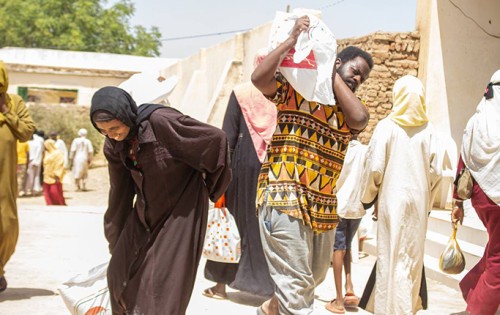
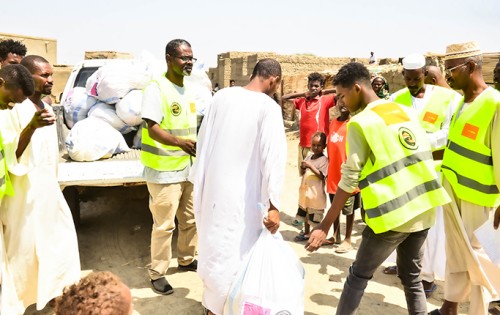
SAPA offers multiple avenues for support, including voluntary donations, fundraising events, and volunteer opportunities. By participating in these initiatives, you can contribute to SAPA’s broader mission beyond paying Zakat online. The Hope for Ramadan initiative is a great way to help people fulfill their obligations. The cost of 1 Food Package is $60 and an annual primary healthcare package for a pregnant woman costs $50.
SAPA is committed to transparency in its operations. Your donations directly contribute to initiatives that enhance the community’s well-being, providing resources for education, healthcare, and various other programs to uplift those in need. We target 43,000 + IDPs, 180,000+ Host Communities Cluster Targets, and 30,000 + Host Communities Project Targets in Sudan.
Zakat Nisab is the minimum threshold of wealth a Muslim must possess to become eligible to pay Zakat. It is determined based on the value of 87.48 grams (7.5 tola) of gold or 612.36 grams (52.5 tola) of silver. If a person’s net capital exceeds this threshold, they must pay Zakat.
Zakat holds several benefits, including the purification of one’s wealth and the promotion of social equality. It serves as a means of redistributing wealth, providing financial support to those in need, and fostering a sense of community and compassion. Read more on Zakat in Quran and Hadith.
Zakat Eligibility is distributed among eight categories of beneficiaries, as specified in Islamic teachings. These categories include the poor, the needy, those in debt, those working for the collection and distribution of Zakat, new converts to Islam, those in bondage, those in the cause of Allah, and the wayfarer.
Muslims who meet or exceed the Nisab values are obligated to pay Zakat. It is an individual responsibility and essential to fulfilling one’s religious duties.
Various assets are subject to Zakat, including cash, gold, silver, agricultural products, and business inventory. Each type of asset has its specific calculation method, and Zakat is determined based on the total value of these assets.
Zakat should be paid annually, once a lunar year has passed since the individual acquired wealth exceeding the Nisab. It is essential to ensure timely payment to fulfill the religious obligation.