
How Much is Zakat al Fitr? Definition, Importance & the Impact [Eid Fitrana]
 sapa
sapaAs the holy month of Ramadan draws close, Muslims worldwide prepare to observe a unique form of charity known as Zakat al-Fitr, also referred to as Sadaqatul Fitr or Zakat ul-Fitr. In this comprehensive blog, we will delve into the significance of Zakat al-Fitr, its religious obligations, the calculation of its amount, and its role as a means of purifying the fasting Muslims from any indecent act or speech and helping the poor and needy.
What is Zakat Al Fitr
Zakat al Fitr (Zakat ul Fitr) is a unique form of charity prescribed for Muslims after the holy month of Ramadan. Often referred to as “Eid Fitrana,” this charitable act serves as a means of purifying those who fast from any indecent act or speech and to help the poor and needy. “Zakat-al-Fitr” translates to “charity of breaking the fast,” it holds immense significance in Islamic teachings.
Importance of Zakat Ul Fitr
Zakat-ul-Fitr is considered a mandatory act for all eligible Muslims. Its primary purpose is to cleanse those who fast from any shortcomings or indecent acts during Ramadan and assist those in need, ensuring that everyone can partake in the joyous celebration of Eid ul-Fitr. It is incumbent upon every Muslim with the minimum wealth (Zakat Nisab) to fulfill this religious obligation.
The Timing of Zakat al-Fitr
Timing is crucial when it comes to Zakat ul Fitr. The charitable contribution must be made before the day of Eid ul Fitr, ideally during the last few days of Ramadan. By ensuring that Zakat ul Fitr is distributed promptly, Muslims can fulfill their religious obligation and contribute to the joyous atmosphere of Eid celebrations.
How Much is Zakat al Fitr 2026?
To calculate Zakat al-Fitr, one must determine the quantity and cost of the local staple food, such as wheat, barley, dates, or raisins. During the time of the Prophet Muhammad (PBUH), Zakat al-Fitr (Fitrana) was given as 1 saa’, which is equivalent to 4 madds (a madd is the amount that can be scooped up when one puts their hands together).
If we convert this into a monetary value based on the price of a staple food such as flour or rice, it is approximately $10. Therefore, the amount due for each person is $10.
Fastest & Securest Way to Pay ZAKAT-UL-FITR ONLINE👇
The form is not published.
Zakat Related Resources & Posts: Zakat Calculator Online – Pay Zakat Donation Online – Zakat Al Fitr – Zakat Al Maal – Differences Between Zakat and Sadaqah – Zakat in Quran & Hadith – Zakat Nisab – Zakat Recipients
The Joyous Impact of Zakat-ul-Fitr:
Eid-ul-Fitr and Zakat-ul-Fitr
Eid ul-Fitr celebrates joy, gratitude, and unity among Muslims worldwide. Zakat al-Fitr plays a pivotal role in enhancing the festive spirit of Eid by ensuring that everyone in the community, regardless of their financial circumstances, can partake in the joyous occasion. This charitable act contributes to a sense of collective well-being and shared happiness.
Local Initiatives
Communities often organize local initiatives to facilitate the collection and distribution of Zakat. Mosques, charitable organizations, and community leaders are crucial in coordinating these efforts, ensuring that the funds are effectively distributed among those in need within the community. Local initiatives also provide an opportunity for increased community engagement and collaboration.
Social Equality
This is a powerful tool for promoting social equality within the Muslim community. Regardless of one’s financial status, every eligible Muslim is required to contribute to Zakat al-Fitr. This collective act reinforces the Islamic principle of caring for the less fortunate. It fosters a sense of empathy and shared responsibility among the community members.
Global Humanitarian Impact
While Zakat al-Fitr primarily addresses local needs, it also significantly impacts global humanitarian efforts. The collective contributions of Muslims worldwide, channeled through various charitable organizations, contribute to addressing global challenges, including poverty, hunger, and humanitarian crises. It exemplifies the global reach and impact of Islamic philanthropic practices.
Sadaqatul Fitr vs Zakat ul Fitr
The terms “Sadaqatul Fitr” and “Zakat ul Fitr” are often used interchangeably, referring to the same charitable act performed after Ramadan. “Sadaqatul Fitr” translates to “charity of breaking the fast,” while “Zakat-ul-Fitr” emphasizes the obligatory nature of the act. Regardless of the terminology used, both expressions signify the same charitable obligation to purify the fasting Muslims and assist those in need.
What is Eid Fitrana & Its Significance
Eid Fitrana, an alternative term for Zakat al Fitr, holds immense significance in Eid ul Fitr celebrations. By ensuring that every Muslim, regardless of their financial standing, contributes to charity, it fosters a sense of unity and communal responsibility. It also allows the less fortunate to partake in the festivities of Eid by providing for their basic needs.
Give Zakat al Fitr Online to SAPA
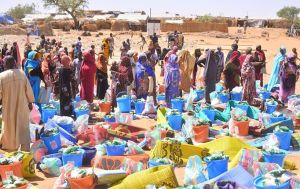
Contributing Zakat al Fitr to SAPA is a significant and compassionate way to support their humanitarian efforts, particularly in addressing challenges such as the Sudan civil war and the ongoing Sudan crisis. This form of charitable giving during the holy month of Ramadan serves as a means to purify those who fast from any indecent act or speech and directly aids the poor and needy, including the Sudanese children affected by the crisis. By directing your Zakat al Fitr to SAPA, you are actively participating in their mission to provide vital assistance to those impacted by crises, such as the hunger in Sudan and the South Sudan water crisis. Your generous donation plays a crucial role in supporting SAPA’s tireless efforts to alleviate suffering, promote sustainable solutions, and safeguard human rights in Sudan. Amidst the complex circumstances in Sudan, including the challenges related to water wells in Sudan, your Zakat-ul-Fitr donation to SAPA becomes an impactful gesture of solidarity and hope for communities in need.
FAQs
1. What is Zakat al-Fitr, and why is it important during Ramadan?
Zakat al-Fitr, also known as Sadaqatul Fitr, is a mandatory charity given by eligible Muslims before Eid ul-Fitr. It purifies the fasting individual from any shortcomings and ensures that the poor and needy can partake in the Eid celebrations.
2. Who is obligated to pay Zakat al-Fitr?
Every Muslim who possesses wealth above the Zakat Nisab threshold is required to pay Zakat al-Fitr, reinforcing social solidarity and communal responsibility during Ramadan.
3. When should Zakat al-Fitr be paid?
Zakat al-Fitr must be given before the Eid prayer, preferably during the last days of Ramadan, to ensure timely support for those in need and enhance the joyous Eid atmosphere.
4. How is the amount of Zakat al-Fitr calculated in 2026?
The amount is typically equivalent to the cost of one staple food meal, calculated as 1 saa’ (approx. 4 madds), which usually amounts to around $10, depending on local staple food prices.
5. What are the spiritual and social benefits of giving Zakat al-Fitr?
Besides purifying one’s fast, Zakat al-Fitr fosters empathy, social justice, and community unity by enabling everyone, regardless of financial status, to contribute to supporting the needy during Eid.
6. How does Zakat al-Fitr promote social equality?
It ensures that all Muslims participate in charitable giving, helping to uplift the less fortunate and promote shared responsibility within the community, strengthening social bonds.
7. What role do local initiatives play in Zakat al-Fitr collection and distribution?
Mosques, charities, and community leaders organize collections and ensure funds are effectively distributed to those in need, fostering community cooperation and engagement.
8. What is the impact of Zakat al-Fitr on global humanitarian efforts?
While primarily a local obligation, collective contributions from Muslims worldwide support broader humanitarian causes, demonstrating the extensive reach of Islamic charity.
9. How can contributing Zakat al-Fitr to SAPA support Sudan’s crises?
Donating Zakat al-Fitr to SAPA aids critical efforts addressing the Sudan civil war and ongoing Sudan crisis, including support for Sudanese children, the South Sudan water crisis, and access to water wells in Sudan.
10. Why is participating in Zakat al-Fitr essential for community well-being?
Zakat al-Fitr strengthens communal ties, alleviates suffering, and promotes sustainable solutions that uphold human rights in Sudan, making it a potent expression of compassion and unity during Ramadan’s conclusion