
Fasting on Ashura: History, Significance & Benefits
 Waleed
Have you ever wondered why Muslims fast on Ashura, the 10th day of Muharram? This sacred day holds profound historical and spiritual significance, uniting Muslims worldwide in worship and reflection.
Ashura, observed on the 10th of Muharram, commemorates pivotal events in Islamic history and offers immense spiritual rewards. Fasting on this day is a cherished practice, rooted in prophetic tradition and enriched with benefits for the soul and community. Let’s delve into the history, significance, and multifaceted benefits of Ashura fasting.
>> Related Post: 5 Interesting Virtues/Facts About the Day of Ashura (10th Muharram)
The History of Ashura:
Origins in Islamic Tradition
Ashura, meaning “tenth” in Arabic, refers to the 10th day of Muharram, the first month of the Islamic lunar calendar. Its significance predates Islam, as Jewish communities fasted on this day to commemorate Prophet Musa’s (Moses) deliverance from Pharaoh, when Allah parted the Red Sea (Sahih Bukhari).
When the Prophet Muhammad (PBUH) arrived in Medina, he adopted this practice, encouraging Muslims to fast on Ashura in gratitude for Musa’s salvation.
The Prophet’s Guidance
The Prophet Muhammad (PBUH) emphasized Ashura’s importance, stating,
“Fasting the day of ‘Ashura’, I hope that Allah will accept it as an expiation for the sins of the previous year” (Sahih Muslim, Book 6, Hadith 2603).
To distinguish the Muslim practice from others, he recommended fasting on the 9th and 10th or 10th and 11th of Muharram, saying,
“If I remain alive till the next year, I shall also observe fast on the ninth of Muharram” (Sunan Ibn Majah 1736)
This tradition continues, with many Muslims fasting for two days to maximize blessings.
Ashura and Karbala
Ashura also marks the martyrdom of Imam Husayn (RA), the Prophet’s grandson, at the Battle of Karbala. This tragedy is a poignant reminder of sacrifice and justice, observed with mourning and reflection. Both Sunni and Shia Muslims honor Ashura, though their practices may differ, uniting in reverence for Muharram’s sanctity.
>> Related Post: Benefits of Fasting in Islam
The Spiritual Significance of Ashura Fasting
Fasting on Ashura is a deeply spiritual act that strengthens faith and draws Muslims closer to Allah. Here’s why it holds such profound religious importance:
- Expiation of Sins:
The Prophet (PBUH) highlighted that fasting on Ashura expiates minor sins from the previous year, offering a chance for spiritual renewal (Sahih Muslim, Book 6, Hadith 2603).
- Gratitude for Divine Mercy:
By fasting, Muslims express gratitude for Prophet Musa’s deliverance, acknowledging Allah’s power and compassion.
- Strengthening Taqwa:
Fasting fosters God-consciousness, encouraging self-discipline, humility, and devotion during Muharram’s sacred days.
- Unity in Worship:
Ashura fasting unites the Ummah, as Muslims worldwide participate in this Sunnah, reinforcing shared faith and purpose.
>> Related Post: What Happens After Ramadan? Maintaining Spiritual Growth & Good Habits
Benefits of Fasting on Ashura
Ashura fasting offers a range of spiritual, physical, and social benefits, enriching both the individual and the community.
Spiritual Benefits
- Forgiveness and Purification: The promise of expiating past sins, as per the Prophet’s words (Sahih Muslim, Book 6, Hadith 2603), provides a fresh start, cleansing the heart and soul.
- Enhanced Devotion: Fasting deepens one’s connection to Allah, fostering mindfulness and gratitude.
- Prophetic Reward: Following the Sunnah of the Prophet (PBUH) by fasting on the 9th and 10th or 10th and 11th brings immense blessings, as he intended (Sunan Ibn Majah 1736).
Physical Benefits
- Health Improvement: Like other forms of intermittent fasting, Ashura fasting can support metabolic health, improve digestion, and boost energy when done mindfully.
- Discipline and Moderation: Fasting encourages healthy eating habits and self-control, promoting overall well-being.
Social Benefits
- Community Solidarity: Breaking the fast together strengthens family and community bonds, fostering unity.
- Charitable Acts: Ashura inspires generosity, as Muslims often give to the needy.
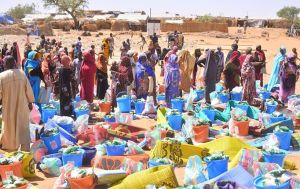
- Empathy for the Less Fortunate: Fasting heightens awareness of hunger, encouraging support for those in need, such as Sudan’s displaced families, through initiatives like SAPA.
How SAPA Honors Ashura’s Spirit
SAPA believes Ashura is more than a day of fasting; it’s a reminder to stand with the oppressed and serve the vulnerable. As the Sudanese people continue to suffer from war, famine, and displacement, we call on you to make this Ashura count. Your donations can:
- Provide emergency food aid and medical care in war-affected regions.
- Help malnourished children and pregnant mothers access life-saving nutrition through health and emergency missions.
- Support long-term solutions like career development for physicians and clean water projects.
>> Related Post: Benefits of Donating to Charity
Conclusion
Fasting on Ashura is a sacred tradition that weaves together history, spirituality, and social good. From commemorating Prophet Musa’s deliverance to seeking forgiveness and strengthening community bonds, Ashura offers profound rewards. Its history, rooted in prophetic guidance, and its benefits, spiritual purification, physical health, and empathy, make it a cornerstone of Muharram.
This Muharram, let your Ashura fast inspire action. By supporting SAPA, you honor the day’s call to charity, bringing nourishment and hope to Sudan’s vulnerable.
FAQs
1. Is fasting on Ashura obligatory or voluntary?
Fasting on Ashura is Sunnah Mu’akkadah (highly recommended) for Muslims, but it is not obligatory. The Prophet Muhammad (peace be upon him) encouraged it due to its spiritual rewards, such as expiating minor sins from the previous year.
2. Why do some Muslims fast for two days for Ashura?
The Prophet (peace be upon him) recommended fasting on the 9th and 10th or 10th and 11th of Muharram to distinguish Muslim practice from other communities and increase rewards. This two-day fast is a Sunnah, widely followed to honor the Prophet’s guidance.
3. Can children or older people participate in Ashura fasting?
Children who haven’t reached puberty are not required to fast but can participate partially to learn the practice if healthy. Older people or those with medical conditions are exempt if fasting poses a risk.
4. What other acts of worship are recommended on Ashura?
Besides fasting, Muslims are encouraged to engage in prayers, Quran recitation, Dua, and charity on Ashura. Giving Sadaqah or supporting organizations like SAPA enhances the day’s rewards. Reflecting on Ashura’s historical events, such as Musa’s (AS) deliverance or Husayn’s (RA) sacrifice, deepens the spiritual connection.