Top 10 Benefits of Fasting in Ramadan/Islam
 mahnoor
Ramadan, the holy month Muslims observe worldwide, is a time of profound spiritual reflection, devotion, and self-discipline. Fasting during this sacred month is one of the Five Pillars of Islam, symbolizing an act of worship, gratitude, and connection with Allah. Beyond its spiritual essence, fasting in Ramadan carries immense physical, mental, and social benefits that enrich lives and strengthen communities.
In this blog, we will explore why Muslims fast in Ramadan, delve into the top 10 benefits of fasting during this blessed month, and answer frequently asked questions about this beautiful act of devotion.
>> Related Post: Top 10 Benefits of Ramadan: Spiritual, Mental & Physical
Why Do Muslims Fast in Ramadan?
Fasting during Ramadan is an act of worship prescribed by Allah in the Qur’an. Muslims abstain from food, drink, and other physical needs from dawn (Fajr) until sunset (Maghrib), dedicating their days to prayer, reflection, and acts of kindness. But why is fasting such an essential practice in Islam?
- Obedience to Allah
Muslims fast because it is a commandment from Allah, as stated in the Qur’an:
“O you who have believed, decreed upon you is fasting as it was decreed upon those before you that you may become righteous.” (Surah Al-Baqarah, 2:183) - Spiritual Growth
Fasting nurtures a deeper connection with Allah. It encourages Muslims to detach from worldly distractions and focus on purifying their hearts, minds, and souls. - Empathy and Compassion
By abstaining from basic needs, fasting fosters empathy for those who face hunger daily. It serves as a reminder to care for the less fortunate and act charitably. - Self-Discipline and Gratitude
Fasting instills discipline and patience while teaching gratitude for the blessings often taken for granted, such as food, water, and health.
>> Related Post: Best Muslim/Islamic Charities to Donate to in 2026
10 Benefits of Fasting in Islam & Ramadan
1. Strengthens Spirituality
Fasting is more than abstaining from food; it is a profound spiritual exercise that draws Muslims closer to Allah. During Ramadan, the heart is softened, allowing individuals to reflect on their relationship with their Creator. Acts of worship such as extended prayers, reciting the Qur’an, and making dua (supplications) become integral parts of daily life. This focus on spirituality helps purify the soul and strengthen faith, providing a sense of tranquility and contentment.
Additionally, fasting reminds us of our dependence on Allah for sustenance and guidance. It helps Muslims detach from worldly distractions and center their lives around worship and gratitude. This heightened awareness of Allah’s presence fosters a deep sense of purpose and spiritual fulfillment, carrying its effects far beyond Ramadan.
2. Promotes Mental Clarity
Fasting sharpens the mind by reducing distractions and enabling a more focused state. Individuals often report feeling mentally lighter and more alert by temporarily stepping away from routine eating habits. The discipline required to fast reinforces mindfulness, encouraging individuals to evaluate their thoughts, behaviors, and intentions.
Scientific studies suggest that fasting reduces stress hormones, such as cortisol, and enhances the production of brain-derived neurotrophic factor (BDNF), which supports brain health and resilience. Coupled with the spiritual practices of Ramadan, this mental clarity brings a renewed sense of peace, focus, and mental balance that positively impacts all aspects of life.
3. Improves Physical Health
Fasting during Ramadan has transformative effects on physical health. It is a natural detox, giving the digestive system a well-deserved break. Without constant digestion, the body can focus on cleansing, eliminating toxins, and repairing cells. This process contributes to better overall health and increased energy levels.
Moreover, fasting promotes weight management by encouraging the body to burn fat for energy. Studies show that controlled fasting lowers bad cholesterol (LDL) and improves insulin sensitivity, reducing the risk of chronic conditions like diabetes and obesity. By maintaining a balanced diet during non-fasting hours, the physical health benefits of fasting can extend far beyond the month of Ramadan.
>> Related Post: Importance of Feeding Others in Islam
4. Boosts Heart Health
Fasting has a profound impact on cardiovascular health. Regulating blood pressure and reducing cholesterol levels supports a healthier heart and lowers the risk of heart disease. The structured eating patterns of Ramadan, which often involve wholesome, home-cooked meals, contribute to better heart health.
Additionally, fasting encourages individuals to avoid excessive consumption of processed foods and sugary drinks, which can strain the heart. With reduced calorie intake and increased physical activity during Taraweeh prayers, fasting during Ramadan can catalyze improved heart health and longevity.
5. Enhances Self-Control
Fasting strengthens self-discipline by requiring individuals to resist physical temptations like food and drink and emotional impulses such as anger or impatience. This self-restraint reinforces the ability to make mindful choices in other areas of life, such as managing time or controlling spending habits.
The process of fasting also encourages reflection on personal habits and behaviors. Many Muslims use this time to break free from harmful patterns, such as excessive screen time or unhealthy eating, replacing them with more constructive practices that benefit both the body and soul.
6. Encourages Acts of Charity
Fasting is a powerful reminder of the struggles faced by those who live in poverty and endure hunger daily. This awareness fuels a deep sense of empathy and compassion, inspiring Muslims to engage in acts of charity. Whether it’s through Zakat (obligatory almsgiving) or Sadaqah (voluntary charity), giving back becomes a central theme during Ramadan.
Community iftar programs, where meals are shared with those in need, further demonstrate the spirit of generosity. These acts of kindness not only support the less fortunate but also reinforce social bonds and strengthen the collective sense of responsibility toward creating a more equitable society.
>> Related Post: Benefits & Rewards of Sadaqah in Islam
7. Improves Social Connections
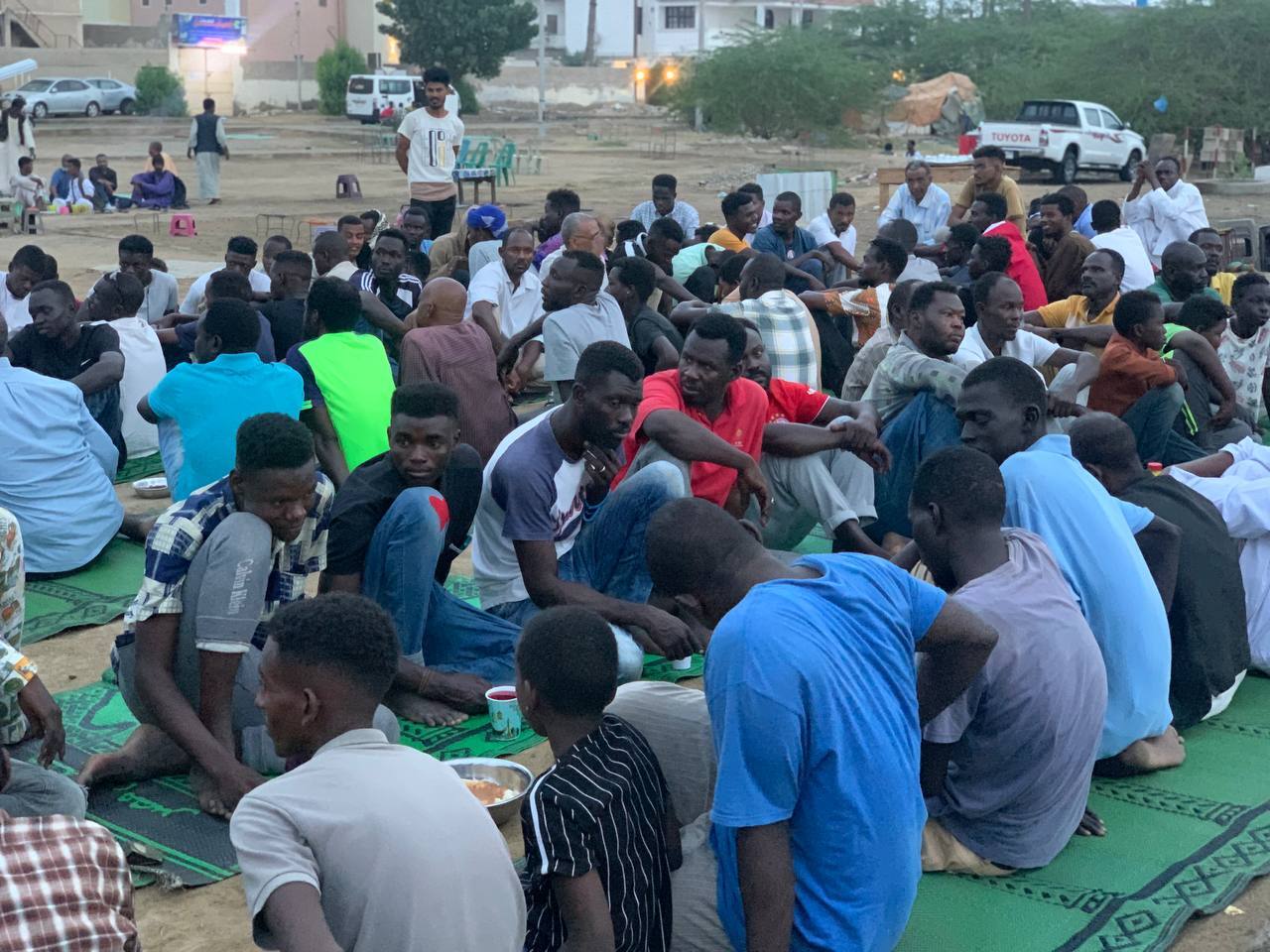
Ramadan brings families and communities together in unique and meaningful ways. The shared rituals of Suhoor (pre-dawn meal) and Iftar (breaking the fast) foster a sense of togetherness, love, and unity. These moments create cherished memories and strengthen familial and communal ties.
In addition to family gatherings, mosque activities like Taraweeh prayers and Quranic study sessions provide opportunities for Muslims to connect with their community. This sense of belonging enhances emotional well-being and reinforces the idea that fasting is an individual act and a collective journey of faith.
8. Develops Patience and Resilience
Fasting teaches patience by requiring individuals to endure hunger, thirst, and other physical discomforts without complaint. This resilience builds a sense of inner strength and determination that can be applied to other challenges in life. Overcoming these daily tests during Ramadan helps individuals develop a calm and composed approach to adversity.
Moreover, fasting instills a habit of delaying immediate gratification, a valuable skill in today’s fast-paced world. By cultivating patience and endurance, fasting empowers individuals to face life’s trials with grace and unwavering faith.
9. Enhances Digestive System Health
The digestive system benefits greatly from the break provided by fasting. With no food intake during daylight hours, the digestive organs can rest and reset, improving efficiency in nutrient absorption and waste elimination. This downtime helps reduce common issues like indigestion and bloating.
Additionally, fasting has been shown to support gut health by promoting the growth of beneficial bacteria. A healthier digestive system enhances overall well-being and strengthens the immune system, enabling the body to fend off illnesses more effectively.
10. Boosts Gratitude and Mindfulness
By abstaining from food, drink, and other comforts, fasting allows Muslims to recognize and appreciate the blessings often taken for granted. This practice fosters a deep gratitude, enriching one’s spiritual and emotional well-being.
Fasting also encourages mindfulness, as individuals become more conscious of their thoughts, actions, and the needs of others. This heightened awareness carries over into daily life, promoting a more intentional and compassionate approach to living.
>> Related Post: Difference Between Zakat & Sadaqah
Fastest & Securest Way to Pay RAMADAN Donations ONLINE👇
Fulfill Your Religious Obligations and Make a Difference with SAPA Donations
Give Zakat Al Fitr Online 2026: Fulfill your obligation of Zakat Al Fitr this Ramadan by donating online to SAPA.
Pay Sadaqah Online: Extend your generosity by giving Sadaqah through SAPA’s online platform.
Ramadan Donations Online: Make the most of Ramadan by contributing to SAPA’s Ramadan appeal. Your online donations will provide lifesaving aid, including food packages, medicines, and water solutions, to families enduring conflict and crisis in Sudan.
Give Fidyah Online 2026: If you cannot fast this Ramadan, fulfill your religious duty by donating Fidyah online.
Pay Kaffarah Online 2025: Make up for missed fasts or unfulfilled oaths by donating Kaffarah through SAPA’s online platform.
Donate Sadaqah Jariyah: Give a lasting gift with Sadaqah Jariyah through SAPA. Your donation can fund sustainable projects like clean water wells and healthcare facilities, creating ongoing benefits for generations to come.
Conclusion
Fasting in Ramadan is far more than a physical act; it is a spiritual journey of self-purification, gratitude, and compassion. It transforms lives by fostering a stronger connection with Allah, enhancing physical and mental well-being, and nurturing empathy for others.
As Ramadan unfolds, Muslims worldwide embrace this blessed opportunity to grow spiritually, strengthen community bonds, and improve themselves holistically. The benefits of fasting in Ramadan, both seen and unseen, serve as a testament to the wisdom of this divine practice.
FAQs: Top 10 Benefits of Fasting in Ramadan/Islam
1. Why is fasting important in Islam?
Fasting is a commandment from Allah and one of the Five Pillars of Islam. It is an act of worship that nurtures self-discipline, gratitude, and a closer connection with Allah.
2. What are the spiritual benefits of fasting in Ramadan?
Fasting enhances spirituality by encouraging prayer, Qur’anic reflection, and acts of worship. It also fosters patience, mindfulness, and inner peace.
3. How does fasting improve physical health?
Fasting helps detoxify the body, regulate weight, reduce harmful cholesterol levels, and improve cardiovascular health. It also supports better digestion and metabolism.
4. What is the significance of Iftar and Suhoor in Ramadan?
Iftar (breaking the fast) and Suhoor (pre-dawn meal) are essential to Ramadan. They provide nourishment and bring families and communities together in worship and gratitude.
5. Is fasting mandatory for all Muslims?
Fasting is obligatory for all healthy, adult Muslims. However, exceptions are made for children, the elderly, pregnant or nursing mothers, travelers, and those with medical conditions.