5 Things to Do on the Arafah Day for Non-Hajjis
 Waleed
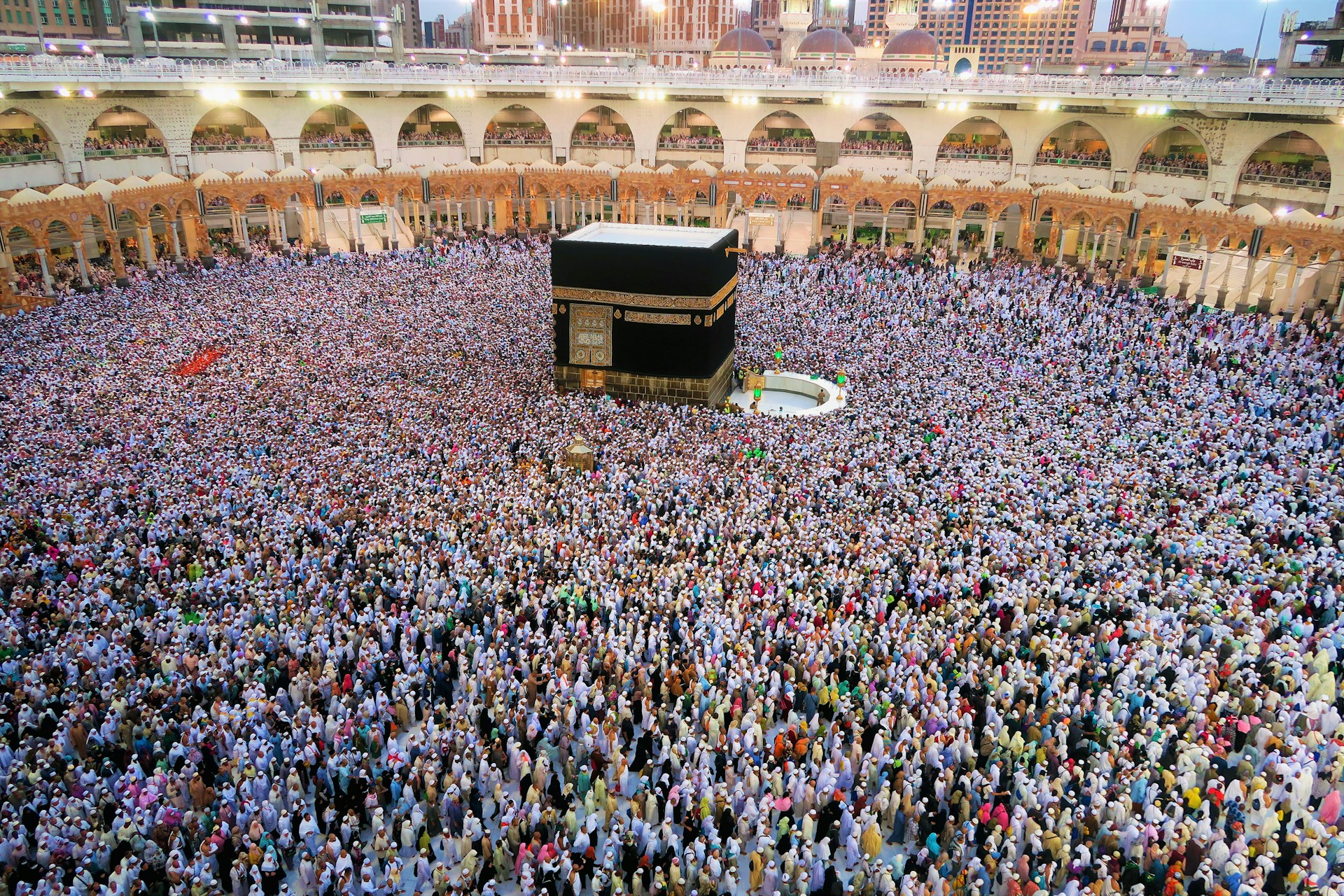
Imagine a day so sacred that Allah (SWT) freed more people from the Fire on it than on any other day of the year, and you don’t have to be in Makkah to benefit from it. The Day of Arafah, the 9th of Dhul Hijjah, is described in the Hadith as the single greatest day of the Islamic calendar. For the millions making Hajj, it is the spiritual pinnacle of the pilgrimage. But for those of us who remain at home, this day is far from ordinary.
The good news? You don’t need to be standing on the plains of Arafat to reap enormous reward. As reported in Sahih Muslim, the Prophet Muhammad (peace be upon him) described the Day of Arafah as a day on which Allah descends to the nearest heaven and boasts about His servants to the angels.
Why the Day of Arafah Is Unlike Any Other Day
Before diving into the five actions, it helps to understand why this day carries such extraordinary weight. The Day of Arafah holds a unique distinction in Islamic history: it is the day on which Allah (SWT) revealed the verse in Surah al-Ma’idah (5:3), declaring that the religion of Islam had been perfected. This was not a casual announcement; it was the divine seal on a complete way of life.
Furthermore, the Prophet (PBUH) explicitly told his companions
“There are no days during which righteous deeds are more beloved to Allah than these days,” meaning the (first) ten days of Dhul- Hijjah. They said: “O Messenger of Allah! Not even Jihad in the cause of Allah?” He said: “Not even Jihad in the cause of Allah, unless a man goes out with himself and his wealth and does not bring anything back. (Sunan Ibn Majah – 1727)
>> Related Post: Day of Arafah in Qur’an and Hadith: A Complete Guide
5 Things to Do on the Arafah Day for Non-Hajjis:
1. Fast with Intention
Of all the things to do on the Day of Arafah, fasting stands out as the single most impactful act for a non-Hajji. Based on a Hadith narrated in Sahih Muslim, the Prophet (PBUH) was asked about fasting the day of ‘Arafat, and he said,
“It will expiate the sins of the previous and upcoming years.” Then, the Prophet was asked about fasting the day of ‘Ashura, and he said, “It will expiate the sins of the past year.” (Sahih Muslim – 1162)
Practical tips for your Arafah fast:
- Prepare a nutritious suhoor the night before.
- Set a clear intention (niyyah) specifically for the Day of Arafah.
- Avoid fasting only to count calories or follow a trend; ground your niyyah in pleasing Allah alone.
- If you have a health condition, consult your physician.
2. Increase Your Dhikr
One of the easiest yet most rewarding things you can do on this day is fill your hours with the remembrance of Allah. Dhikr requires no special location, no equipment, and no significant time block. You can do it while driving to work, walking, or waiting for a meeting to start.
The specific forms of Dhikr recommended for the Day of Arafah and the days surrounding it include Tahleel (Laa ilaaha ill-Allah), Takbeer (Allahu Akbar), Tahmeed (Alhamdulillah), and Tasbeeh (SubhanAllah). This is a collective act of worship that unites Muslims across the globe.
The Prophet (PBUH) mentioned that two phrases are light on the tongue, yet enormously heavy on the scale of good deeds: SubhanAllahi wa bihamdihi, SubhanAllahil Adheem. Make these your companions throughout the day.
3. Make Sincere Du’a
If there is one practice that defines what to do on the Day of Arafah for pilgrims and non-pilgrims alike, it is making heartfelt supplication. The plains of Arafat are described as a place where Allah listens with unparalleled closeness, and that spiritual reality extends beyond geography. On this day, your du’a carries special weight regardless of where in the world you are raising your hands.
Don’t limit your du’a to personal requests. Pray for your family, your community, the ummah, and for the people of Sudan and other conflict zones, where our brothers and sisters face trials of unimaginable weight.
Structure your du’a session with intention:
- Begin with praise and salawat upon the Prophet (PBUH).
- Confess your shortcomings sincerely.
- Ask for forgiveness for yourself and your deceased loved ones.
- Make du’a for the healing of the sick, the relief of the oppressed, and the guidance of the ummah.
- End with gratitude and count the blessings you already have.
4. Engage with the Quran
The Quran is the word of Allah, and the Day of Arafah is the day on which He declared His revelation complete. What better time to reconnect with that divine message than this very day? Even if your daily Quran routine is irregular, the Day of Arafah is your invitation to open the Mushaf and spend time with it.
You don’t have to recite the entire Quran. What matters more is presence and reflection. Sit with a surah, read its translation, and contemplate what Allah is saying to you personally. Scholars across traditions have emphasized that reciting and pondering the Quran during the first ten days of Dhul Hijjah is among the most beloved deeds, and the Day of Arafah sits at the apex of those days.
5. Give in Sadaqah
The Day of Arafah is one of the most powerful opportunities in the Islamic calendar to give sadaqah. The Prophet Muhammad (PBUH) said:
‘’Sadaqah (charity) extinguishes sins just as water extinguishes fire’’ (Tirmidhi – 614)
On a day already characterized by divine forgiveness and mercy, the act of giving takes on extraordinary significance.
Your sadaqah on this day does not need to be large. What matters is the sincerity of intention and the consistency of giving. Whether you feed a neighbor, contribute to a local food bank, donate to medical relief for conflict-affected communities, or support an orphan’s education.
Many Muslims also use this day to fulfill their Zakat or plan their Qurbani giving, layering multiple acts of worship into a single blessed day.
Bonus: Turn to Allah in Sincere Repentance (Tawbah)
This bonus is not a throwaway addition and many scholars would argue Tawbah is the very foundation under every other act on this day.
Genuine Tawbah involves three elements: acknowledging the sin, genuinely ceasing it, and resolving never to return to it. It is not about guilt that paralyzes; it is about accountability that frees. This is also an opportunity to repair relationships: call someone you’ve wronged, forgive someone who hurt you, and extend kindness to those you’ve been distant from.
>> Related Post: The Benefits and Spiritual Significance of the Day of Arafah
Fastest & Securest Way to Pay SADAQAH ONLINE👇
How SAPA Supports Your Spiritual and Community Well-being on the Day of Arafah
At SAPA, we are physicians and healthcare professionals, but we are also Muslims, parents, and community members who understand that wholeness extends beyond clinical care. The Day of Arafah reminds us that our well-being is inseparable from our relationship with Allah, our families, and our ummah.
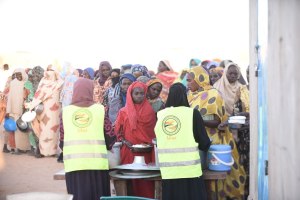
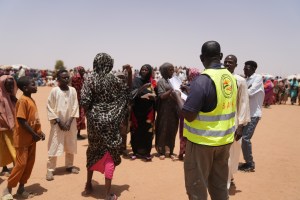
As we mark this blessed day, our team at SAPA continues to work on the ground, running mobile clinics, delivering humanitarian aid, and building healthcare infrastructure in Sudan and underserved communities. When you give sadaqah this Arafah, your donation reaches real people, patients who cannot access a hospital, children who need vaccinations, and mothers who deserve proper maternal care.
This Arafah, pair your spiritual worship with tangible impact. Fast, make du’a, recite the Quran, and then let your sadaqah travel farther than your hands can reach.
FAQs
1. What exactly is the Day of Arafah and why does it matter for non-Hajjis?
The Day of Arafah is the 9th of Dhul Hijjah and is considered the most spiritually significant day of the Islamic year. While pilgrims gather on the plains of Arafat as the central rite of Hajj, non-Hajjis can still earn immense reward through fasting, du’a, Dhikr, Quran recitation, and giving charity. The blessings of this day are not geographically restricted.
2. Is it compulsory to fast on the Day of Arafah if you are not doing Hajj?
Fasting on the Day of Arafah is a highly recommended Sunnah, not a fard (obligation) for non-Hajjis. However, the reward for doing so, expiation of sins for two years, makes it one of the most beneficial voluntary fasts in the Islamic calendar. If you have a medical condition that prevents fasting, consult your doctor.
3. What du’a should I make on the Day of Arafah?
There is no single prescribed du’a for non-Hajjis, but the best du’a is a sincere, personal supplication from the heart. Scholars recommend Istighfar, asking for Jannah, seeking protection from the Fire, and praying for your family and the ummah. You can also recite: La ilaha ill-Allah, wahdahu la shareeka lah, lahul mulku walahul hamdu, wahuwa ‘ala kulli shay’in qadeer.
4. Can I give sadaqah on behalf of a deceased loved one on the Day of Arafah?
Yes, giving sadaqah jariyah on behalf of a deceased family member is a deeply encouraged act in Islamic tradition. The Day of Arafah amplifies this further, as good deeds on this day are especially beloved to Allah. Consider donating to a charitable cause in their name as part of your worship.
5. How is the Day of Arafah different from Eid al-Adha?
The Day of Arafah (9th Dhul Hijjah) is the day before Eid al-Adha (10th Dhul Hijjah). While Arafah is a day of intense worship, fasting, and supplication, Eid al-Adha is a day of celebration, communal prayer, and Qurbani. Fasting is encouraged on Arafah but strictly forbidden on Eid al-Adha.
6. What should I avoid doing on the Day of Arafah as a non-Hajji?
Scholars emphasize clearing your schedule as much as possible to maximize worship. Limit social media scrolling, unnecessary entertainment, and non-essential meetings. Major sins, including backbiting, dishonesty, and neglect of obligatory prayers, should be avoided especially carefully on this sacred day.
7. Can non-Muslims benefit from acts of kindness on the Day of Arafah?
While the spiritual rewards associated with the Day of Arafah are specific to believers, the human impact of your charity and kindness extends to everyone. Feeding the hungry, helping a neighbor, or supporting medical relief reaches people of all backgrounds. The spirit of giving on this day is as universal as humanity itself.