Day of Arafah in Qur’an and Hadith: A Complete Guide
 Waleed
There are days that mark time, and then there are days that define it. The Day of Arafah is the latter. Falling on the 9th of Dhul Hijjah, it is the spiritual heart of the Hajj pilgrimage, the day on which Allah (SWT) perfected His religion, and one of the most powerful opportunities for forgiveness, mercy, and renewal that a Muslim will ever encounter.
Whether you are among the blessed pilgrims standing on the plains of Arafat this year or observing from home, the Day of Arafah belongs to every Muslim. Its gifts are not reserved for those who make the journey. Its mercy is wide enough to reach every soul that turns to Allah (SWT) in sincerity.
In this complete guide, we explore what the Qur’an and Hadith say about this magnificent day, what it means for Muslims living in the West, and how you can make the very most of it, spiritually and through charitable action.
What Is the Day of Arafah in Islam?
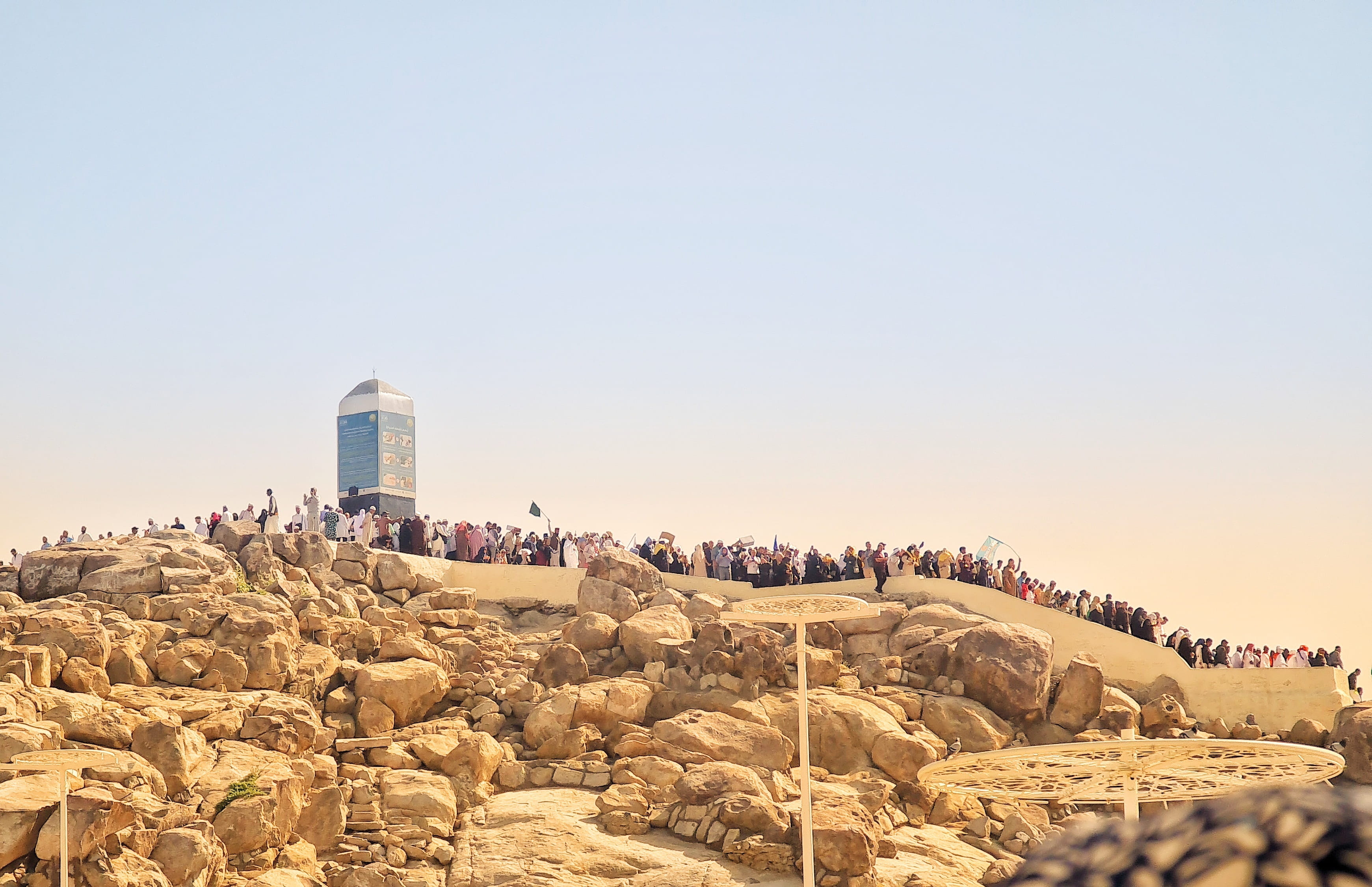
The Day of Arafah takes its name from the plain of Arafat (a wide, open expanse located approximately 20 kilometres east of Makkah). On this day, pilgrims performing Hajj travel to these plains just after dawn and remain there until sunset in a ritual known as wuquf (standing).
The mountain at the centre of the plain, Jabal al-Rahmah, the Mountain of Mercy, is where the Prophet ﷺ delivered his Farewell Sermon to over 100,000 companions. It was also here that the final perfection of Islam was announced. For those not performing Hajj, the Day of Arafah is a day of fasting, dhikr, du’a, and giving.
>> Related Post: Top 3 Qurbani (Eid ul Adha) Charities for USA Donors in 2026
The Day of Arafah in Qur’an and Hadith: A Complete Guide to Its Divine Significance
1. Allah’s Oath by This Day
The Qur’an is remarkable in that Allah (SWT) swears only by things of immense weight and importance. In Surah Al-Burooj, He swears:
“By the sky containing great stars. And by the Promised Day. And by the witness and what is witnessed.” (Qur’an 85:1-3)
The Prophet Muhammad (ﷺ) clarified the meaning of this verse, explaining that
“The Promised Day is the Day of Resurrection, the Witnessed Day is the Day of ‘Arafah, and the Witnessing Day is Friday.” (Tirmidhi – 3339)
The fact that Allah swears by this day tells us everything about its rank. The scholars of Islam have noted that Allah does not swear by anything except that which is truly great.
2. The Verse of Perfection
Perhaps the most celebrated event connected to Arafat in Islam is the revelation of one of the Qur’an’s most momentous verses. During the Prophet ﷺ’s Farewell Hajj, on a Friday evening on the plains of Arafat, Allah (SWT) revealed:
“This day I have perfected for you your religion, completed My favour upon you, and have chosen Islam as your religion.” (Qur’an 5:3)
3. The Hadith of Forgiveness and Freedom From Hellfire
No other day in the Islamic calendar carries the promise of mass forgiveness the way Arafah does. The Prophet Muhammad (ﷺ) said:
“There is no day on which Allah frees more people from the Fire than the Day of Arafah. He draws near, and then He boasts of them to the angels and says: ‘What do these people want?'” (Sahih Muslim – 1348)
This hadith, narrated by Aishah (RA), paints a vivid and deeply moving picture: Allah (SWT) Himself drawing close to His servants, watching over those who have gathered in His name, and liberating souls from punishment. The scholars describe this as one of the most hope-inspiring narrations in the entire Sunnah.
4. The Fasting That Expiates Two Years of Sins
For Muslims who cannot perform Hajj, fasting on the Day of Arafah is among the most powerful acts they can perform. The Prophet ﷺ was asked about fasting on this day. He replied:
“It expiates the sins of the preceding year and the coming year.” (Sahih Muslim – 1162 b)
Think about that: one day of fasting, sincerely observed, is accepted by Allah as a means of purifying the sins of two full years. Scholars consider fasting on this day mustahabb (highly recommended) for those not performing Hajj, while pilgrims in Arafat are encouraged not to fast so that they have the strength to perform the rites fully.
5. The Best Du’a in the Entire Year
The Prophet ﷺ taught us that Arafah is not just a day of fasting. It is the greatest day for supplication. He said:
“The most excellent dua is the dua on the Day of Arafah, and the best of what I and the prophets before me have said is: ‘La ilaha illa Allah, wahdahu la sharika lah, lahul mulku wa lahul hamdu wa huwa ala kulli shai’in qadeer.'” (Hisn al-Muslim 237)
Translation: “There is nothing that deserves to be worshipped except Allah alone; He has no partner, to Him belongs all dominion, to Him belongs all praise, and He is Powerful over all things.”
This simple, profound declaration of tawhid is the best thing any Muslim can say on this day. Repeat it constantly, especially in the afternoon hours, the time of wuquf for the pilgrims.
>> Related Post: 5 Ways to Maximize Your Charity in the First 10 Days of Dhul Hijjah
Recommended Practices on the Day of Arafah
Making the most of Arafat Day requires intention and preparation. Here is what the Sunnah encourages:
- Fast the day (if you are not a Hajj pilgrim), abstaining from food, drink, and unnecessary distractions
- Engage in abundant dhikr: recite the Tahleel (La ilaha illallah), Takbeer (Allahu Akbar), Tahmeed (Alhamdulillah), and Tasbeeh (SubhanAllah) throughout the day
- Make heartfelt dua: for your family, your community, the Muslim ummah worldwide, and for those suffering in conflict zones and poverty
- Give Sadaqah: charitable giving on this day not only alleviates the suffering of others but spiritually enriches the giver and multiplies reward
- Recite the Qur’an and send salawat (salutations) upon the Prophet (PBUH)
>> Related Post: Qurbani in Islam: Teachings from the Qur’an and Hadith
How SAPA Connects the Spirit of Arafah to Service
The Day of Arafah is the day Allah (SWT) perfected His religion, and at its core, that religion calls us to care for one another. At SAPA, we believe that worship and service are inseparable. Just as pilgrims gather on the plains of Arafat in a powerful act of collective devotion, our work gathers the Muslim-American community around a shared commitment to uplifting the vulnerable.
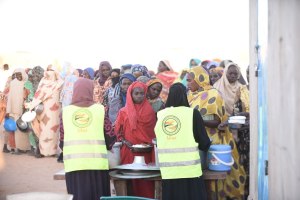
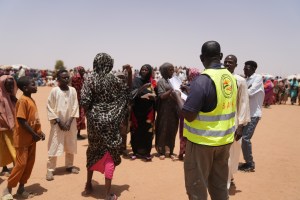
This Dhul Hijjah, SAPA is on the ground delivering urgent relief through the SAPA Hope for Sudan initiative. Sudan is facing one of the world’s most severe humanitarian crises, with millions of families displaced, children going hungry, and communities shattered by conflict. Your du’a on Arafah is powerful. So is your donation.
The Prophet ﷺ told us the best du’a is made on the Day of Arafah. Let your du’a be accompanied by action. Give your Qurbani through SAPA this Eid, support families in Sudan, and make this Dhul Hijjah one to be remembered for both worship and giving.
FAQs
1. When is the Day of Arafah?
The Day of Arafah falls on the 9th of Dhul Hijjah, the twelfth and final month of the Islamic lunar calendar. Because the Islamic calendar is lunar-based, the exact date in the Gregorian calendar shifts each year by approximately ten days.
2. Why is the Day of Arafah called “the Day of Arafah”?
The name comes from the Arabic root arafah, meaning “to know.” It refers both to the plain of Arafat near Makkah, where pilgrims gather, and to the spiritual significance of knowing and recognising Allah (SWT) through sincere worship.
3. Is fasting on the Day of Arafah obligatory?
No, fasting on the Day of Arafah is not obligatory; it is a highly recommended Sunnah (mustahabb) for Muslims who are not performing Hajj. Pilgrims at Arafat are advised not to fast, as they need their strength for the demanding rites of Hajj.
4. What if I miss the fast, can I still benefit from the Day of Arafah?
Absolutely. While fasting carries immense reward, the Day of Arafah is a day for all Muslims, regardless of whether they fast. Making abundant du’a, reciting dhikr, reading Qur’an, giving in charity, and performing nafl prayers are all acts of worship that carry great reward on this day.
5. Can Muslims who are not on Hajj still benefit from the Day of Arafah?
Yes, and significantly so. The Prophet ﷺ made clear through both the fast and the du’a of Arafah that its blessings extend to all Muslims, not just pilgrims. Fasting, dhikr, sadaqah, Qur’an recitation, and sincere repentance are all accessible to every Muslim regardless of location.
6. What is the connection between the Day of Arafah and Eid al-Adha?
The Day of Arafah falls on the 9th of Dhul Hijjah. Eid al-Adha is celebrated on the 10th. The two days are deeply linked: Arafah is the spiritual climax of Hajj, and Eid al-Adha, with its Qurbani, commemorates the sacrifice of Prophet Ibrahim (AS). Muslims around the world perform Qurbani on Eid as an act of worship whose roots trace directly to the Hajj experience.
7. How should I prepare for the Day of Arafah?
Begin preparing spiritually from the 1st of Dhul Hijjah by fasting as many of the first nine days as possible, increasing your dhikr, cutting your nails and hair (a Sunnah at the start of Dhul Hijjah), giving in charity, and writing out du’as you wish to make on the 9th.