5 Ways to Maximize Your Charity in the First 10 Days of Dhul Hijjah
 Waleed
The first 10 days of Dhul Hijjah are upon us, and they represent a window of divine mercy that no sincere Muslim can afford to miss. Whether you are looking to understand how to maximize charity in Dhul Hijjah or want practical guidance on Dhul Hijjah giving in the first 10 days, this guide will walk you through five powerful, actionable strategies to make the most of this sacred season.
Allah (SWT) swears by these days in the Quran, and He does not swear by anything except that which holds immense significance:
“By the dawn, and by the ten nights.” (Surah Al-Fajr, 89:1-2)
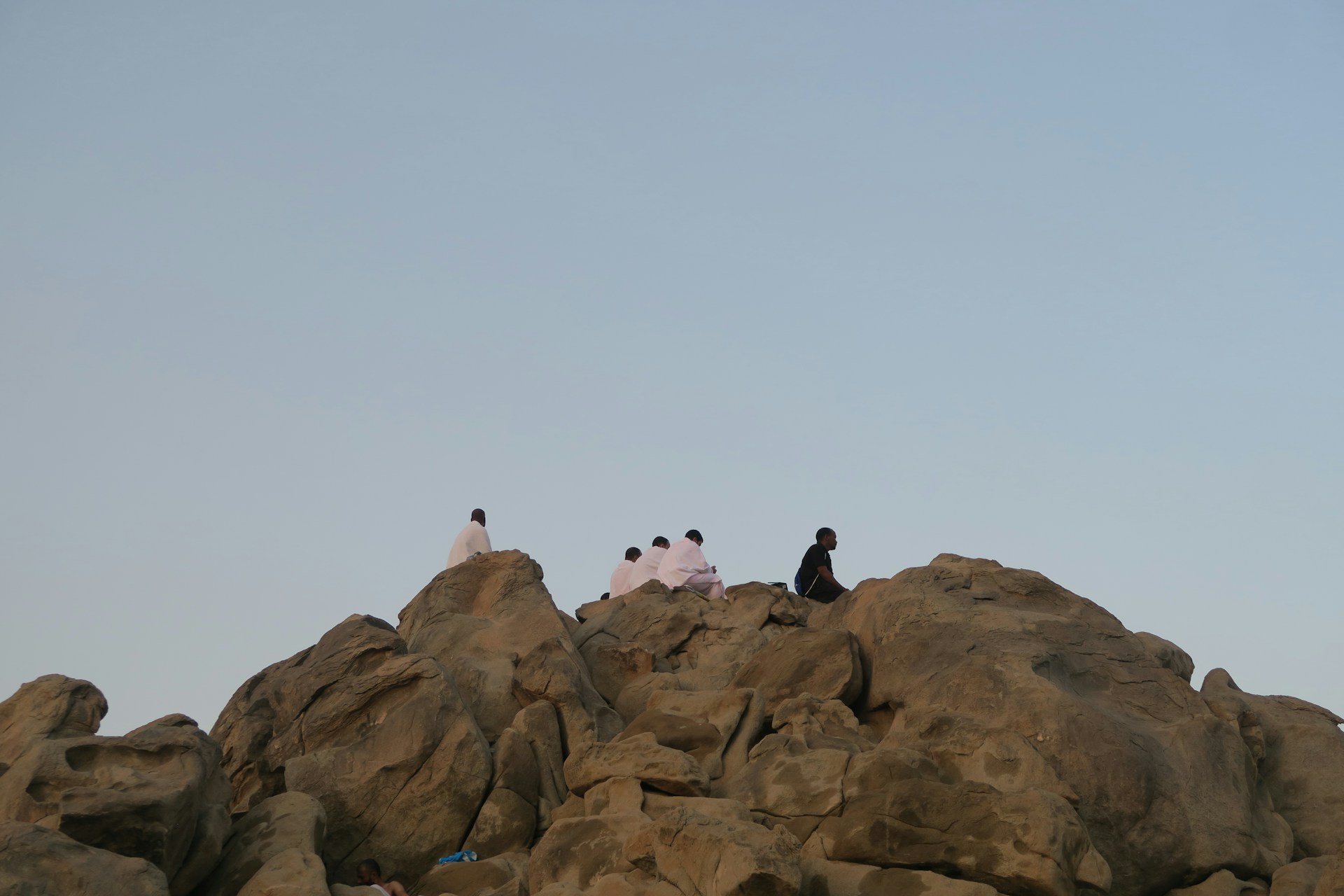
The majority of scholars hold that “the ten nights” in this verse refers specifically to the first ten days of Dhul Hijjah (a testament to their unparalleled status in the Islamic calendar).
Why Are the First 10 Days of Dhul Hijjah So Significant?
Before exploring how to maximize your charity in Dhul Hijjah, it helps to understand why these days occupy such a revered place in Islamic tradition. The Prophet Muhammad (peace be upon him) said):
“There are no days in which righteous deeds are more beloved to Allah than these ten days.” The companions asked: “Not even jihad in the path of Allah?” He replied: “Not even jihad in the path of Allah — except for a man who goes out with his life and his wealth and comes back with neither.” (Sahih al-Bukhari, 969)
These ten days combine three of the most significant moments in Islamic history and practice:
• The Day of Arafah (9th Dhul Hijjah): The pinnacle of Hajj and a day of monumental forgiveness.
• Eid al-Adha (10th Dhul Hijjah): A global celebration of sacrifice and gratitude.
• The days of Hajj: When millions of Muslims converge on Makkah in worship and supplication.
5 Ways to Maximize Charity in the First 10 Days of Dhul Hijjah:
1. Give Sadaqah Daily
One of the most impactful things you can do during the first 10 days of Dhul Hijjah is to commit to giving some form of Sadaqah every single day. It does not have to be a large sum. The Prophet (PBUH) consistently emphasised consistency over magnitude:
“The most beloved of deeds to Allah are those that are most consistent, even if they are small.” (Sahih al-Bukhari, 6464)
During these ten days, even the smallest act of charity is amplified in reward. A deed performed on the Day of Arafah alone is the equivalent of fasting and praying for a thousand ordinary days, according to several scholarly opinions. Structuring your giving as a daily habit means you are earning multiplied rewards on each of those ten sacred days.
Practical steps to make daily giving easy:
• Set up a daily recurring donation of any amount through a trusted charity.
• Use a donation jar at home and fill it each morning with your Dhul Hijjah intention.
• Donate to a specific cause that resonates with you and give to it daily.
2. Fast on the Day of Arafah
The 9th of Dhul Hijjah (the Day of Arafah) is the single most spiritually potent day of the entire Islamic year. The Prophet Muhammad (PBUH) specifically singled out fasting on this day for those not performing Hajj:
“Fasting the day of Arafah, I hope Allah will expiate thereby for the year before it and the year after it.” (Sahih Muslim, 1162)
There is perhaps no greater act of worship than charity, accessible to every Muslim regardless of their financial or physical situation. But here is a powerful combination often overlooked: pairing your Arafah fast with an act of charity on the same day. Fasting purifies the soul; charity purifies wealth. Together, they represent a complete act of Ibadah that honours both the spiritual and the communal dimensions of Islamic practice. As you fast on Arafah, consider making a meaningful donation towards emergency medical relief or healthcare for vulnerable communities.
3. Give Qurbani
Qurbani (the ritual sacrifice performed on Eid al-Adha) is a Sunnah of the highest order, and in many scholarly opinions, it is an obligation upon every Muslim of means. It commemorates the supreme sacrifice of Prophet Ibrahim (AS), who was willing to offer his beloved son Ismail (AS) in obedience to Allah.
Beyond its spiritual dimension, Qurbani has a tremendous practical impact. It delivers fresh, high-quality meat to families who rarely have access to protein-rich food throughout the year.
Giving your Qurbani through a verified organisation means your sacrifice reaches the most vulnerable, including:
• Families displaced by war and conflict.
• Orphans and widows with no other source of food.
• Communities in remote areas with no access to markets.
4. Give Sadaqah Jariyah
The concept of Sadaqah Jariyah is one of the most profound ideas in Islamic giving. The Prophet (PBUH) told us:
“When a person dies, all their deeds end except three: a continuing charity (Sadaqah Jariyah), beneficial knowledge, or a righteous child who prays for them.” (Sahih Muslim, 1631)
The first ten days of Dhul Hijjah are the ideal time to invest in a Sadaqah Jariyah project. The multiplication of reward during these sacred days means that a donation made on, say, the 7th of Dhul Hijjah will continue generating reward long after these ten days have passed, and long after you yourself have departed this world.
Consider contributing to a Sadaqah Jariyah project that addresses structural needs:
• Medical infrastructure — funding hospital equipment or surgical supplies.
• Clean water — supporting WASH (Water, Sanitation & Hygiene) programs.
• Education — sponsoring teacher training or school materials in conflict zones.
5. Give Your Zakat During These Days
If you have been calculating your Zakat but have not yet paid it, the first 10 days of Dhul Hijjah are arguably the most blessed time of the year to fulfill this obligation. While Zakat can technically be paid at any time, the spiritual significance of these days means that the act of discharging this duty here is infused with added intention and reward.
Zakat (the mandatory 2.5% annual charity on qualifying wealth) is one of the five pillars of Islam and is described in the Quran alongside Salah no fewer than 82 times, underscoring its central place in the faith:
“And establish prayer and give Zakat, and whatever good you put forward for yourselves — you will find it with Allah.” (Surah Al-Baqarah, 2:110)
>> Related Post: Dhul Hijjah Donations 2026: Best Days to Give Charity
5 Ways to Maximize Your Charity in the First 10 Days of Dhul Hijjah With SAPA USA
SAPA is a 501(c)(3) nonprofit humanitarian organisation that has been providing life-saving medical care, food relief, and emergency support to the people of Sudan since 2019. For those looking to maximize their Dhul Hijjah giving in the first 10 days, SAPA offers a range of verified, transparent giving options that align perfectly with the spirit of this sacred season.
Sudan is currently experiencing one of the world’s most severe humanitarian crises. Since the outbreak of armed conflict in April 2023, millions of Sudanese have been displaced, hospitals have been destroyed, and famine conditions have spread across multiple states. According to the UN OCHA 2025 Sudan Humanitarian Update, over 25 million people are facing acute food insecurity.
Here is how SAPA USA channels your Dhul Hijjah giving where it matters most:
• Healthcare & Emergency Services: Funding mobile medical clinics and emergency medical teams deployed across conflict-affected regions.
• Sudan Hunger Relief Program: Distributing food parcels to families facing famine conditions in displaced communities.
• WASH Program: Providing clean water and sanitation infrastructure to prevent disease outbreaks in crowded camps.
• Save Mothers & Newborns: Supporting maternal healthcare in areas where women have no access to trained medical professionals.
• Sadaqah Jariyah: Funding long-term infrastructure, including the restoration of Ibrahim Malik Hospital in Sudan.
Fastest & Securest Way to Pay SADAQAH ONLINE👇
FAQs
1. What are the first 10 days of Dhul Hijjah?
The first ten days of Dhul Hijjah are the opening days of the 12th and final month of the Islamic lunar calendar. They culminate in Eid al-Adha on the 10th and include the spiritually supreme Day of Arafah on the 9th. Scholars universally regard them as the most blessed days of the entire year, as confirmed by authentic hadith in Sahih al-Bukhari.
2. Why is charity especially powerful during Dhul Hijjah?
Islamic scholarship holds that righteous deeds performed during the first ten days of Dhul Hijjah are more beloved to Allah than the same deeds performed at any other time of year, including Ramadan with the exception of martyrdom. This means Sadaqah given during these days carries a multiplied spiritual weight not available at other times.
3. Can I give Zakat during the first 10 days of Dhul Hijjah?
Yes. While Zakat must be paid when one full lunar year (Hawl) has passed on your qualifying wealth, if your Zakat is due around this period, paying it during the first 10 days of Dhul Hijjah is highly encouraged. Use SAPA USA’s Zakat Calculator to confirm your Zakat amount.
4. Is fasting on the Day of Arafah obligatory?
Fasting on the Day of Arafah (9th Dhul Hijjah) is a highly recommended Sunnah for Muslims who are not performing Hajj. It is not obligatory, but its reward expiating sins from two full years makes it one of the most valuable optional acts of worship in the entire Islamic calendar.
5. How do I know my Dhul Hijjah donation reaches real beneficiaries?
Choose registered 501(c)(3) nonprofits or internationally accredited charities. SAPA USA publishes annual reports and audited financials, and is recognised by trusted charity evaluators. Every donation made through SAPA’s donation portal goes directly toward verified programs in Sudan.
6. Is it permissible to give Qurbani on behalf of a deceased loved one?
Yes. The majority of scholars permit offering Qurbani on behalf of deceased relatives with the intention that its reward be gifted to them. This is considered a meaningful form of Sadaqah Jariyah that honours loved ones who have passed. The Islamic Fiqh Academy has consistently affirmed this position.

Comment (1)
MERT METİN
Makaleniz açıklayıcı yararlı anlaşılır olmuş ellerinize sağlık