Qurbani Donations for Sudan 2026: Fighting Hunger & Providing Care
 Waleed
Eid ul Adha is the most generous occasion in the Islamic calendar; a time when the spirit of Prophet Ibrahim (AS) lives through every believer who gives, sacrifices, and shares. For Muslim families across America, it means cooking together, gathering for prayer, and feeling the warmth of the season.
For the people of Sudan, it means something else entirely.
According to UNICEF, in 2026 alone, 33.7 million people, roughly two-thirds of Sudan’s entire population, are expected to need urgent humanitarian assistance. Half of them are children. Famine has already been officially confirmed in Al Fasher and Kadugli. Families in these areas are surviving on boiled leaves, grass, and animal feed. Over 3 million children under five are acutely malnourished, and, as UNICEF reports, nearly 85,000 children with severe acute malnutrition were treated in North Darfur between January and November 2025 alone, one child every six minutes.
>> Related Post: 5 Ways to Maximize Your Charity in the First 10 Days of Dhul Hijjah
What Is Qurbani, and Why Sudan Needs It Most This Year
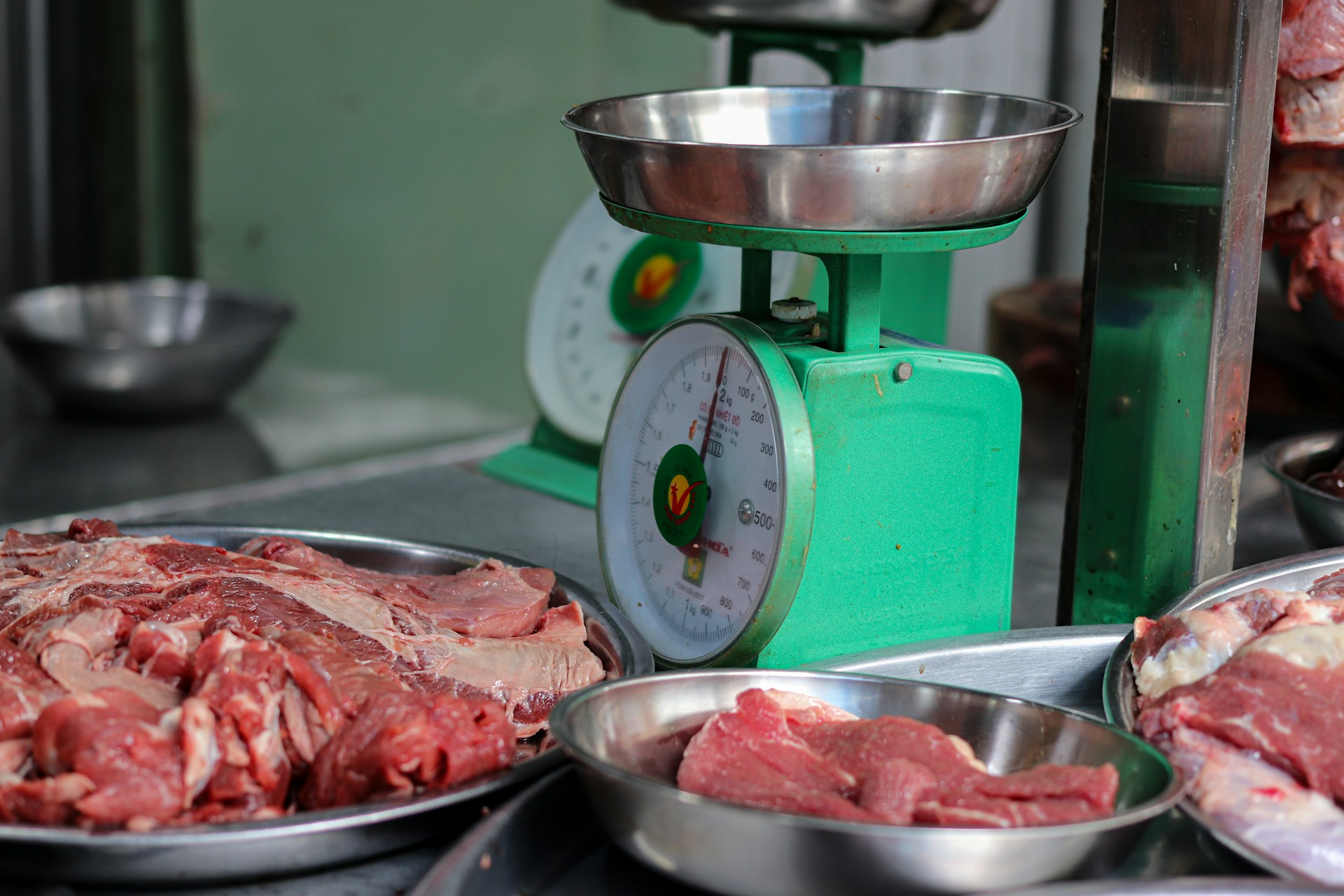
Qurbani, from the Arabic root meaning “nearness,” is the ritual sacrifice of a livestock animal (a sheep, goat, cow, or camel) performed during the Days of Eid ul Adha, the 10th through 12th of Dhul Hijjah. It commemorates the submission of Prophet Ibrahim (AS), whose willingness to sacrifice his son was met by Allah’s mercy in the form of a ram.
Allah (SWT) says in the Quran:
“And they give food, despite love for it, to the needy, the orphan, and the captive.” — Surah Al-Insan, 76:8
>> Related Post: Top 3 Qurbani (Eid ul Adha) Charities for USA Donors in 2026
The Scale of Sudan’s Hunger Crisis in 2026
To understand why Qurbani Donations for Sudan matter this Dhul Hijjah, it helps to understand just how devastating conditions in Sudan have become.
According to the World Food Programme (WFP), Sudan is now the world’s worst humanitarian crisis. Three years of brutal civil war have left an estimated 19 million people (two in every five Sudanese) facing high levels of acute food insecurity. Famine conditions have been confirmed in Al Fasher (North Darfur) and Kadugli (South Kordofan), with the risk of famine extending to 20 additional areas across Greater Darfur and Greater Kordofan.
Al Jazeera’s tracking of the crisis places 375,000 people in Phase 5 catastrophic, famine-level hunger, and 6.3 million more in Phase 4 emergency conditions. Sudan has also become the world’s largest displacement crisis, with more than 9.5 million people internally displaced and 4.35 million more having fled to neighbouring countries like Chad and South Sudan.
As FAO reports in April 2026, the 2026 Sudan Humanitarian Needs and Response Plan requires $2.9 billion in funding, yet as of April 2026, only 16.2% of that has been secured. In 2025, 62% of needs went unfunded entirely.
The gap between what Sudan’s people need and what the world is providing is enormous. That gap is where organisations like SAPA operate, and where your Qurbani Donations for Sudan 2026 make a real, measurable difference.
>> Related Post: Dhul Hijjah Donations 2026: Best Days to Give Charity
SAPA: Eid ul Adha Charity for Sudan That Delivers Where It Counts
SAPA holds the Candid Platinum Seal of Transparency and a 4-star rating on Charity Navigator, placing them among the top 0.1% of charities in the United States. Their audited financials and annual reports are publicly available at sapa-usa.org/sapa-annual-reports, reflecting a standard of financial accountability that donors can trust.
SAPA is also featured in and partnered with major media and humanitarian institutions, including The Guardian, Al Jazeera, BBC, CNN, NPR, UNICEF, WHO, SAMS, and Muslim Aid USA, giving their on-the-ground work both credibility and reach.
SAPA’s 2026 Qurbani Impact
This Eid ul Adha, SAPA’s Qurbani programme targets:
- 60,000+ vulnerable individuals across more than 13,000 households.
- Families in Sudan, refugee camps in Chad, and communities in Uganda.
- Beneficiaries include widows, orphans, patients, displaced persons, and women-led households.
- A commitment that at least 70% of vulnerable households in target areas will be reached.
- A goal that over 80% of beneficiary households experience a renewed sense of dignity and inclusion through receiving Eid meat.
This Qurbani programme is not a standalone effort; it is integrated with SAPA’s broader Hunger Relief Programme, which delivered over 1,153,410 meals in Sudan and Chad in 2024 alone.
What Does Your Donation Cover?
SAPA’s Qurbani pricing is transparent and flexible:
| Donation | What It Provides |
| $50 | Fresh Qurbani meat for one household |
| $145 | 1 Cow Share – feeding multiple families |
| $200 | 1 full Goat in Sudan |
| $350 | 1 full Sheep in Sudan |
| $430 | 3 Cow Shares – expanded reach |
| $1,000 | 1 full Cow in Sudan – feeding entire communities |
Fastest & Securest Way to Pay QURBANI ONLINE👇
FAQs
1. How do I know my Qurbani will be Shariah-compliant?
SAPA ensures all animals meet Islamic requirements: they must be healthy, free of defects, and of the correct minimum age. The sacrifice is performed after Eid prayers on the 10th–12th of Dhul Hijjah, with the correct supplication. Donors receive confirmation once complete.
2. Is my SAPA donation tax-deductible?
Yes. SAPA is a registered 501(c)(3) nonprofit (EIN: 83-3464851). All donations are tax-deductible to the extent allowed by law. You will receive a donation receipt for your records.
3. What if I donate after Eid has already passed?
Qurbani must be performed within the Days of Tashriq (10th–12th Dhul Hijjah). Donations received after this window are treated as Sadaqah, ‘voluntary charity’ rather than Qurbani. To avoid this, donate early, well before Eid ul Adha.
4. Who receives the Qurbani meat in Sudan?
Through SAPA, meat is distributed to the most vulnerable households: widows, orphans, displaced families, patients, and women-led households. At least 70% of vulnerable households in SAPA’s target areas are included in distributions, with priority given to those with no other access to protein.
5. How many Qurbanis do I need for my family?
In the Hanafi school, one small animal (goat or sheep) counts as Qurbani for one person. A cow or camel can be shared among up to seven people. To fulfil Qurbani for your entire household, you may need multiple shares.
6. Can I give Sadaqah or Zakat alongside my Qurbani?
Absolutely. SAPA accepts Zakat and Sadaqah donations year-round. Giving Sadaqah alongside your Qurbani this Eid ul Adha multiplies your impact, funding food, medical care, and clean water for Sudanese families beyond the days of the festival.

Comments (2)
Jaqueline Randolph
I appreciate how honestly this topic is covered. No sugar coating, just real and helpful information. That is rare to find these days!
Solomon Barrett
You’re so awesome! I don’t believe I have read a single thing like that before. So great to find someone with some original thoughts on this topic. Really.. thank you for starting this up. This website is something that is needed on the internet, someone with a little originality!