
The Benefits and Spiritual Significance of the Day of Arafah
 Waleed
Some days shift the spiritual axis of an entire year, and the Day of Arafah is one of them. Whether you’re standing on the plains of Mount Arafat as a pilgrim or observing this sacred occasion from your home, the Day of Arafah is an unmissable opportunity to seek forgiveness, accumulate boundless reward, and draw closer to Allah (SWT) than perhaps any other day of the year.
For the Muslim community around the world, making sense of these sacred days and acting on them with purpose is both a spiritual necessity and a communal responsibility. At SAPA, we believe every believer deserves the tools to unlock the full potential of their ibadah on this extraordinary day, whether through fasting, dua, dhikr, or the blessed act of Qurbani.
What Is the Day of Arafah?
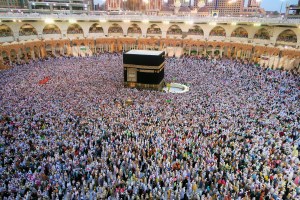
The Day of Arafah falls on the 9th of Dhul Hijjah, the twelfth and final month of the Islamic lunar calendar. It is the second day of the Hajj pilgrimage and the day that precedes Eid al-Adha, the Festival of Sacrifice. On this day, millions of pilgrims make their way from Mina to the plain of Arafat (a barren expanse roughly 20 kilometres east of Mecca) where they stand from noon until sunset in what is known as wuquf, or “standing before God.”
But the spiritual doors of this day are open to every Muslim, everywhere in the world. For those not performing Hajj, the Day of Arafah remains a day of fasting, increased devotion, and answered supplication.
>> Related Post: Qurbani in Islam: Teachings from the Qur’an and Hadith
The Spiritual Benefits of the Day of Arafah:
1. Forgiveness of Two Years of Sins
Perhaps the most widely known virtue of Arafat Day is its extraordinary capacity for expiation. The Prophet Muhammad (PBUH) was asked about fasting on the Day of Arafah, and he replied:
“It expiates the sins of the preceding year and the coming year.” (Sahih Muslim – 1162 b)
Fasting on this day is not obligatory, but it is highly recommended for those who are not performing Hajj, according to all major schools of thought (madhabs). It is a sunnah of the Prophet (PBUH) and one of the most accessible ways to earn immense reward without leaving home.
2. Freedom from the Hellfire
There is no day on which Allah frees more people from the Fire than the Day of Arafah. The Prophet (PBUH) described how on this day, Allah descends to the nearest heaven and speaks with pride of His servants to the angels, saying:
“Look at My servants. They have come from far and near, with hair disheveled and faces covered with dust. They seek My mercy, even though they have not seen My chastisement.” (Ibn Hibban – 3853)
This is not a day for complacency. It is a day to pour your heart out to your Creator, knowing that His mercy on this day surpasses any other.
3. The Best Day for Dua
The Day of Arafah is considered the best day of the year for making supplication. The Prophet (PBUH) said:
“The most excellent dua is the dua on the Day of Arafah, and the best of what I and the prophets before me have said is: ‘La ilaha illa Allah, wahdahu la sharika lah, lahul mulku wa lahul hamdu wa huwa ala kulli shai’in qadeer.'” (Hisn al-Muslim 237)
Translation: “There is nothing that deserves to be worshipped except Allah alone; He has no partner, to Him belongs all dominion, to Him belongs all praise, and He is Powerful over all things.”
Use this day to make dua for yourself, your family, and the entire Muslim ummah. Make it personal, make it sincere, and trust that on this day, Allah is close.
4. Satan’s Greatest Humiliation
On no other day does Satan feel as belittled, humiliated, and enraged as he does on the Day of Arafah. The reason is the overwhelming mercy and forgiveness that descends from Allah, a mercy so vast that Satan despairs at his inability to lead the believers astray. This is a powerful reminder: on Arafah, if you turn to Allah sincerely, the forces of distraction lose their grip.
5. Multiplied Rewards for All Good Deeds
The Day of Arafah falls within the first ten days of Dhul Hijjah, a period that the Prophet (PBUH) described as the best days of the year for good deeds. Every act of worship carries a magnified reward on this day. Charity given on Arafah is especially impactful, as Allah promises increased barakah (blessing) for acts of generosity performed during spiritually elevated times.
>> Related Post: 5 Ways to Maximize Your Charity in the First 10 Days of Dhul Hijjah
Recommended Practices on the Day of Arafah
Making the most of Arafat Day requires intention and preparation. Here is what the Sunnah encourages:
- Fast the day (if you are not a Hajj pilgrim), abstaining from food, drink, and unnecessary distractions
- Engage in abundant dhikr: recite the Tahleel (La ilaha illallah), Takbeer (Allahu Akbar), Tahmeed (Alhamdulillah), and Tasbeeh (SubhanAllah) throughout the day
- Make heartfelt dua: for your family, your community, the Muslim ummah worldwide, and for those suffering in conflict zones and poverty
- Give Sadaqah: charitable giving on this day not only alleviates the suffering of others but spiritually enriches the giver and multiplies reward
- Recite the Qur’an and send salawat (salutations) upon the Prophet (PBUH)
>> Related Post: Top 3 Qurbani (Eid ul Adha) Charities for USA Donors in 2026
How SAPA Helps You Honor the Day of Arafah
At SAPA, our mission is to connect the American Muslim community with meaningful acts of worship and charity that reflect the spirit of Islam, especially during sacred seasons like Dhul Hijjah.
– Qurbani: Fulfilling Your Sacrifice on This Blessed Day
One of the most significant acts tied to the Day of Arafah and Eid al-Adha is Qurbani, the ritual sacrifice that commemorates Prophet Ibrahim’s (AS) willingness to sacrifice his son for the sake of Allah. Performing Qurbani is not just a religious obligation for those who are able; it is a lifeline for families in need who depend on the meat of these sacrifices for nourishment during Eid.
– Sadaqah That Multiplies
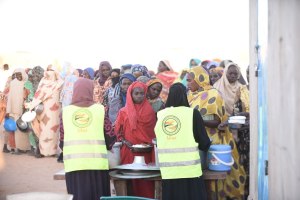
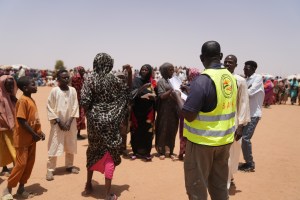
On the Day of Arafah, the act of giving is inseparable from the spirit of the day. Whether it’s supporting orphans, contributing to relief efforts, or simply donating to a cause that serves Allah’s creation.
Fastest & Securest Way to Pay SADAQAH ONLINE👇
FAQs
1. What is the Day of Arafah?
The Day of Arafah, also called Arafat Day or Yawm Arafah, falls on the 9th of Dhul Hijjah. It is the most sacred day of the Islamic year, a day of forgiveness, supplication, and immense divine mercy. For Hajj pilgrims, it involves standing on the plain of Arafat. For non-pilgrims, it is a day for fasting, dua, and increased worship.
2. Why is fasting on the Day of Arafah so important?
Fasting on Arafat Day expiates sins from the previous year and the coming year, according to a hadith in Sahih Muslim. It is among the easiest and most rewarding single-day fasts in the entire Islamic year, making it a sunnah that every Muslim should strive to observe if not performing Hajj.
3. Can Hajj pilgrims fast on the Day of Arafah?
No. Scholars recommend that pilgrims performing Hajj should not fast on this day, as they need their strength for the demanding rites of Arafah and beyond. The Prophet (PBUH) himself did not fast while at Arafat. The fast is specifically recommended for those who are not at Arafah.
4. What dhikr is recommended on Arafat Day?
The Sunnah recommends abundantly reciting Tahleel (La ilaha illallah), Takbeer (Allahu Akbar), Tahmeed (Alhamdulillah), and Tasbeeh (SubhanAllah) on the Day of Arafah and throughout the days of Tashreeq that follow.
5. Is charity especially rewarding on the Day of Arafah?
Absolutely. The Day of Arafah falls within the ten best days of the year, and acts of charity performed during this time carry multiplied rewards. Giving Sadaqah on this day is one of the most meaningful ways to honor it, especially when that charity supports vulnerable communities in need.
6. How can Muslims make the most of the Day of Arafah?
Muslims can honor Arafat Day by fasting, engaging in dhikr and dua, reciting Qur’an, watching or attending Islamic lectures, giving Sadaqah or Qurbani through trusted organizations like SAPA, and spending time in sincere reflection and repentance.
7. What is the significance of the Farewell Sermon on the Day of Arafah?
The Prophet Muhammad (PBUH) delivered his final sermon to tens of thousands of companions at Arafat during his last Hajj. The sermon outlined principles of justice, equality, the sanctity of life and wealth, and the rights of women, principles that remain as relevant today as they were fourteen centuries ago. It was on this same occasion that the verse perfecting Islam was revealed.