How Can I Help or Get Involved with Supporting Refugees from Sudan?
 Mahnoor
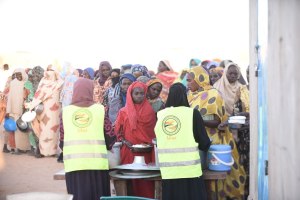
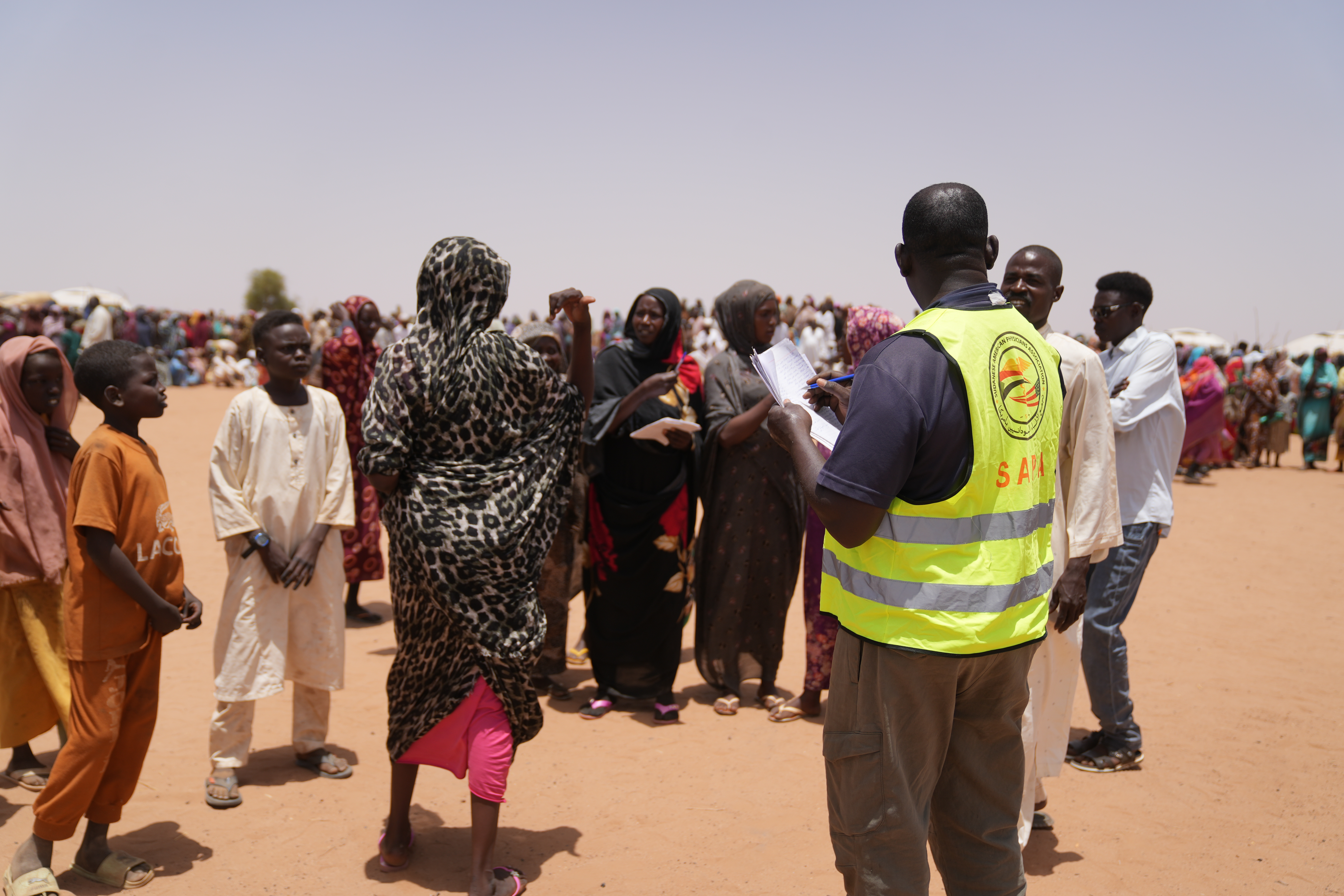
Sudan is facing the world’s largest displacement crisis, with millions forced from their homes. The need for action has never been greater. SAPA (Sudanese American Physicians Association) is already on the ground, delivering medical care, food, and critical support to displaced families.
According to the International Organization for Migration (IOM), nearly one in three people in Sudan has been displaced, either internally or across borders, since the conflict began. UNHCR confirmed that by October 2025, approximately 14 million people had fled their homes, with nearly 12 million still displaced, including 7.3 million internally displaced persons and 4.2 million refugees, asylum-seekers, and returnees who sought safety in neighboring countries. The UN estimates that 33.7 million people (around two thirds of Sudan’s population) will need humanitarian assistance in 2026, with children making up roughly half of that number.
Famine has been confirmed in Al Fasher and Kadugli, and at least 20 additional areas across Greater Darfur and Greater Kordofan remain at risk. An estimated 825,000 children under five are expected to suffer from Severe Acute Malnutrition in 2026, a seven percent increase from 2025 and 25 percent above pre-conflict levels. At least 8 million children in Sudan remain out of school, with more than one-third of school buildings closed or occupied and no longer functioning as classrooms.
But here is the truth: every person reading this has the power to help. Whether you choose to donate, volunteer, advocate, or simply raise your voice, your involvement matters. This blog answers the question so many compassionate people are asking (how can I help or get involved with supporting refugees from Sudan?) and shows you exactly how to do it through trusted, impactful channels.
>> Related Post: How to Start a Peer-to-Peer Fundraiser for Sudan: A Simple Step-by-Step Guide
Understanding the Scale: Why Sudan Cannot Be Ignored
As the war enters its fourth year, Sudan remains the world’s largest internal displacement and hunger crisis. According to the Council on Foreign Relations, as of April 2026, nearly twelve million people have been forcibly displaced, more than 6.8 million internally and close to 4.5 million who have fled to neighboring countries. The RSF’s capture of El Fasher in October 2025 consolidated paramilitary control over the entire Darfur region and sent tens of thousands more people fleeing.
The health situation is equally devastating. According to the World Health Organization, 37% of Sudan’s health facilities remain non-functional, and disease outbreaks, including malaria, cholera, dengue, and measles, are spreading across multiple states. More than 20 million people now require health assistance, and healthcare workers continue to flee conflict zones, leaving entire communities without even basic medical care.
On food security, the WFP, FAO, and UNICEF jointly reported that nearly 19.5 million people (two out of every five Sudanese) are currently facing crisis levels of acute food insecurity. Sudan’s 2026 Humanitarian Needs and Response Plan requires $2.9 billion, yet as of April 2026 only 5.5% of that funding had been received. The gap between what is needed and what is available is staggering.
The IRC has described Sudan as the biggest humanitarian crisis in the world, noting that more than 4.5 million people (mostly women and children) have fled to neighboring countries that lack the resources to meet urgent needs without international support. This is not a distant, abstract crisis. It is a human emergency unfolding in real time, and it responds to real-world support.
>> Related Post: A Father’s Relief After His Child’s Cleft Lip Surgery
Practical Ways You Can Help Sudanese Refugees
1. Donate to Vetted Humanitarian Organizations
Financial donations remain one of the most direct and effective ways to support Sudanese refugees. Trusted organizations working on the ground include UNHCR, the International Rescue Committee, the World Food Programme, and SAPA, among others. These organizations channel funds into food assistance, emergency medical care, shelter, clean water, and child protection services.
When choosing where to donate, look for organizations with verified track records, transparent financials, and active programs in Sudan or in host countries receiving Sudanese refugees. Even a modest monthly contribution can be multiplied through bulk purchasing, established supply chains, and coordinated field operations that individual donors cannot replicate on their own.
2. Volunteer Your Time and Skills
Many humanitarian organizations rely on skilled volunteers, particularly those with backgrounds in healthcare, logistics, legal aid, mental health, education, communications, and fundraising. If you are based in the United States, organizations like SAPA offer structured volunteer opportunities that allow you to contribute directly to refugee support programs without traveling overseas.
Even locally, you can volunteer at resettlement agencies that support Sudanese refugees who have arrived in your city. Tasks range from tutoring and driving to helping families navigate social services and translating every hour of genuine service makes a measurable difference.
3. Advocate and Raise Awareness
Advocacy is powerful and underutilized. Contact your local representatives, senators, and congressional members and urge them to support increased humanitarian funding for Sudan. Share credible information about the crisis on social media. Organize awareness events at your school, place of worship, or community center.
4. Fundraise in Your Community
You do not need to be a professional fundraiser to make an impact. Host a fundraising dinner, a community run, a bake sale, or a charity auction. Partner with local businesses to match donations. Schools and youth groups are particularly effective at generating both funds and awareness.
The WFP urgently requires $610 million to continue its Sudan operations from March to August 2026, which is a target that community fundraising efforts around the world help move toward, one event at a time. Every dollar raised in your community is a dollar that reaches someone in desperate need.
>> Related Post: GODA and SAPA Bring Hope With Cleft Lip Surgery in Sudan
How SAPA Is Working to Help Sudanese Refugees
SAPA (Sudanese American Physician Association) is a scientific, professional, and humanitarian organization founded in January 2019. As a membership-based association, SAPA brings together physicians and medical professionals of Sudanese descent who live and work primarily in the United States. SAPA’s mission is to empower Sudanese healthcare professionals in the U.S. while advancing medical education, expanding healthcare access, and providing humanitarian aid to communities in Sudan and beyond.
SAPA’s programs are designed to address the most urgent and layered needs of Sudanese refugees, both in the United States and through support for communities impacted by the broader crisis. Their approach is rooted in dignity, partnership, and long-term sustainability rather than short-term relief alone.
Healthcare Emergency Services
WHO warns that 37% of Sudan’s health facilities are non-functional and that over 20 million people now require health assistance. Access to healthcare is one of the most pressing needs for Sudanese refugees everywhere. SAPA’s Healthcare Emergency Services program provides critical medical support, connects refugees with qualified healthcare providers, and works to fill the dangerous gaps created when health systems collapse during conflict. Whether addressing trauma, chronic illness, or preventive care, SAPA ensures that the most vulnerable members of the Sudanese community do not fall through the cracks.
Hunger Relief Program
Nearly 19.5 million people in Sudan are currently facing crisis-level food insecurity, with famine confirmed in multiple locations and conditions expected to worsen during the June–September lean season. Food insecurity is devastating Sudanese communities both inside Sudan and in diaspora populations facing economic hardship. SAPA’s Hunger Relief Program works to ensure that no Sudanese family, whether still in the region or newly resettled in the United States, goes without adequate nutrition. This program coordinates food distribution, connects families with assistance resources, and addresses the root causes of hunger in displaced communities.
WASH (Water, Sanitation, and Hygiene)
Clean water is life. In displacement settings, the absence of safe water and basic sanitation is one of the leading drivers of preventable death. WHO confirmed that Sudan’s most recent cholera outbreak was only declared over in March 2026, following a sustained response that required vaccination campaigns reaching 24.5 million people. SAPA’s WASH program works to ensure that Sudanese communities have access to safe water, proper sanitation facilities, and hygiene education that prevents the spread of cholera, typhoid, and other waterborne diseases, directly addressing one of the most critical gaps in the humanitarian response.
FAQs
1. How can I help Sudanese refugees from the United States?
There are many ways to help from the US. You can donate to organizations working in Sudan and with Sudanese refugees, volunteer with SAPA, advocate with your elected representatives, fundraise in your community, and support Sudanese families who have resettled in your city.
2. What is the current situation for refugees from Sudan?
The situation remains deeply critical. Al Jazeera reported in January 2026 that Sudan had moved to the forefront of the global humanitarian landscape, now hosting the world’s largest internal displacement crisis, with UNHCR confirming approximately 14 million people forced from their homes. Famine has been declared in multiple locations, health systems have collapsed, and millions of children are out of school.
3. Where do most Sudanese refugees go?
The majority of Sudanese refugees who flee across borders go to neighboring countries, primarily Chad, Egypt, and South Sudan. UNHCR reports that as of October 2025, approximately 4.2 million refugees, asylum-seekers, and returnees have sought safety in neighboring countries. Within Sudan, millions are internally displaced, often in overcrowded displacement sites in relatively safer states like White Nile State.
4. How does SAPA help Sudanese refugees?
SAPA runs several targeted programs including Healthcare Emergency Services, a Hunger Relief Program, and a WASH (Water, Sanitation, and Hygiene) initiative. The organization also supports Sudanese-Americans and newly resettled refugees in the United States, providing culturally informed assistance rooted in deep community trust.
5. Is donating money effective in helping Sudanese refugees?
Yes, when donations go to credible, vetted organizations, they are highly effective. WFP reports it is currently reaching over 4 million people a month in Sudan through emergency food assistance, directly reversing famine conditions in areas where conflict has eased and access has improved. However, the 2026 humanitarian response plan remains catastrophically underfunded at just 5.5% of the required $2.9 billion, making every donation urgently needed.
6. How do I know if an organization helping Sudan refugees is legitimate?
Look for organizations registered as nonprofits with publicly available financial statements, independent ratings, and a verifiable presence in the field. SAPA, UNHCR, IRC, WFP, WHO, and UNICEF are all credible, transparent organizations with established track records in Sudan-related humanitarian work.