GODA and SAPA Bring Hope With Cleft Lip Surgery in Sudan
 Waleed
In a country torn apart by war, where hospitals have been destroyed, doctors have fled, and millions of families have been displaced, a different kind of story is unfolding. Since the outbreak of Sudan’s devastating war in mid-April 2023, the country’s healthcare system has been pushed to the edge of collapse. Entire hospital wards have been shuttered. Surgical services have become inaccessible to the vast majority of the population. For families of children born with congenital conditions like cleft lip, a condition requiring timely surgical repair, the war has been doubly cruel.
Into that void have stepped two organizations determined to make a difference: GODA, a nonprofit focused on alleviating disability in underserved conflict zones, and SAPA has emerged as one of the most critical lifelines for healthcare delivery inside Sudan since the war began.
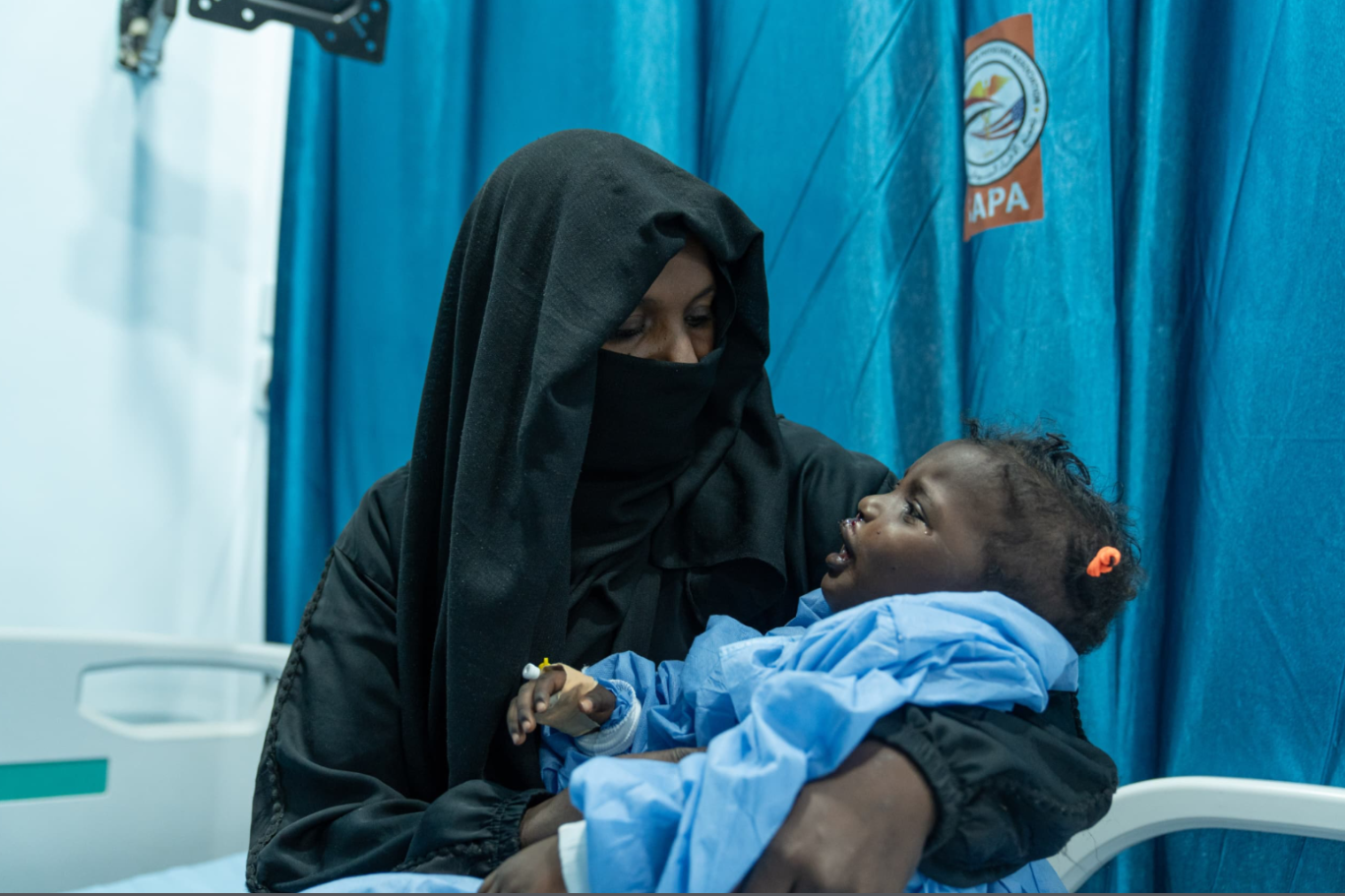
Together, they have launched medical missions targeting cleft lip repair (a condition that, left untreated, not only affects a child’s appearance but also their ability to eat, speak, breathe, and participate fully in society). This is the story of those missions, those children, and the families who traveled extraordinary distances for a second chance.
Sudan’s Healthcare Crisis: The Worst Humanitarian Disaster You Haven’t Heard Enough About
The healthcare consequences in Sudan (since the beginning of the war) have been catastrophic. Hospitals in conflict-affected regions are operating under devastating condition. At one pediatric hospital supported by SAPA in Omdurman, malnutrition has reached such extreme levels that two or three children are reportedly sharing a single hospital bed.
Dr. Yasir Elamin, an oncologist at MD Anderson Cancer Center in Texas and President of SAPA, described the situation on the ground following his visit to Sudan in October 2023 and June 2024, stating plainly that hunger has become the most prevalent disease in Sudan.
For families dealing with non-emergency but medically significant conditions like cleft lip, the options are essentially non-existent within much of the country. Specialized surgical care has been effectively wiped out in large swathes of Sudan. The few hospitals still operating are overwhelmed with trauma cases from ongoing conflict. Congenital conditions, despite being treatable and despite the well-documented benefits of early repair, are falling to the bottom of an impossibly long list.
Three Stories, One Mission: Children Who Couldn’t Wait
Story 1: Muneeb: “To Bridge the Gap Between Care and a Smile”

At just six months old, Muneeb Abdullah had already begun life with a significant challenge; he was born with a cleft lip. His mother, navigating the compounded hardships of Sudan’s war, faced a reality familiar to millions of Sudanese families: limited access to healthcare and no financial means to pay for surgery. The cost of the procedure was simply beyond reach.
Hope arrived as a Facebook post announcing GODA’s medical mission. She acted immediately, traveling to the hospital to register her son. Despite the uncertainty surrounding her situation, she recognized that this was a chance she could not afford to miss.
Muneeb received successful cleft lip repair through the mission. Today, he is in good health and thriving. For his mother, the result is more than medical. It is relief, dignity, and renewed hope in a context where hope is difficult to hold onto.
Story 2: Zubaida: A 300-Kilometer Journey to Restore a Smile
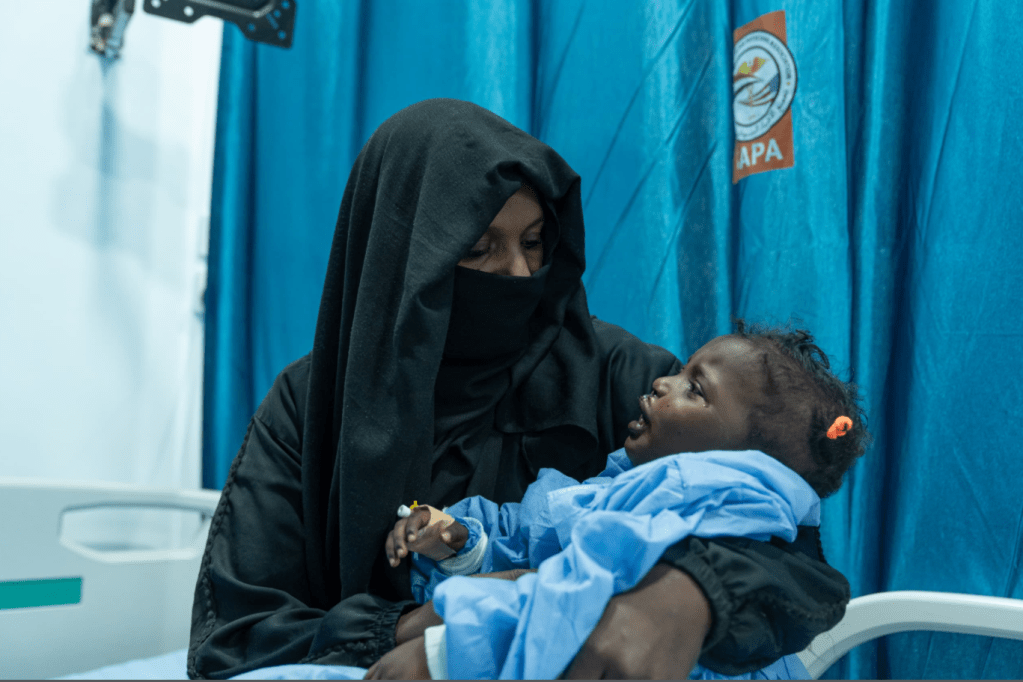
The distance between Ad-Damir in River Nile State and Khartoum is over 300 kilometers. In Sudan’s current context that journey represents far more than geography. For two-year-old Zubaida Muzamil and her mother, it was an act of love and determination.
Zubaida had been born with a cleft lip. Her mother had long understood that surgery could dramatically improve her daughter’s condition, but financial constraints and the broader destruction wrought by war had made treatment impossible to access anywhere near their home. Then she learned about the GODA medical mission through Facebook.
Mother and daughter made the 300-kilometer journey to Khartoum. Zubaida was registered, evaluated, and successfully operated on. She recovered well. The journey is a lasting reminder of what families will endure when hope is offered, and of what becomes possible when organizations create genuine access to care.
Story 3: Ibrahim: “When Access Meets Care and a Child Heals”

Baby Ibrahim was just one year and four months old when he underwent cleft lip repair through the GODA mission. Born with a condition that affected not only his appearance but his early feeding and development, Ibrahim’s family had carried concern for his future since his earliest days.
His father’s livelihood had been devastated by the ongoing war. Daily life was marked by instability and hardship. Yet when he learned of the medical mission online, he made a determined decision: to travel from East Nile to give his son a chance at treatment.
Ibrahim was registered, assessed, and underwent a successful procedure. His new smile stands as a quiet reminder of what becomes possible when access and care meet at the right moment, transforming distance, hardship, and delay into healing, dignity, and a renewed chance at life.
SAPA: The Backbone of Healthcare in a Country at War
To understand the significance of these missions, it is essential to understand the organization that has made them possible on the ground: the Sudanese American Physicians Association.
Founded in January 2019, SAPA is a scientific, professional, non-partisan, and humanitarian membership-based organization for physicians and other medical professionals of Sudanese descent living and working primarily within the United States. What began as a professional membership network has, since the eruption of Sudan’s war in April 2023, transformed into one of the most critical humanitarian health organizations operating inside Sudan.
– Emergency Healthcare Services:
SAPA operates mobile clinics and hospital support programs targeting internally displaced persons across multiple Sudanese states, including Gezira, Red Sea, Northern State, River Nile, and Khartoum. The SAPA-supported hospital in Wad Madani became the base of operations for GODA’s landmark 2025 surgical mission.
– Nutrition and Hunger Relief:
With hunger having become the most prevalent disease in Sudan, SAPA’s Hunger Relief Program combats food insecurity by providing essential meals and resources to vulnerable communities, offering nourishment and hope to those in need.
– WASH Programs:
SAPA’s WASH program focuses on delivering clean water, sanitation, and hygiene solutions to underserved communities, promoting health and preventing disease.
– Medical Education and Capacity Building:
Even amid the crisis, SAPA has continued its mission of training and mentoring Sudanese physicians. In a February 2025 medical mission, SAPA deployed specialized teams to conduct medical treatment and training activities in Khartoum, Bahri, Port Sudan, Gadarif, Madani, and Omdurman, aiming to bridge critical gaps in healthcare delivery by enhancing the skills and knowledge of medical professionals in essential specialties.
FAQs
1. What is GODA, and what does it do in Sudan?
GODA, or Gift of Disability Alleviation, is a US-based nonprofit that deploys WHO-coordinated Emergency Medical Teams to underserved and conflict-affected regions. In Sudan, GODA has conducted surgical missions including cleft lip repair and orthopedic care, working in collaboration with SAPA to reach families who have no other access to specialized healthcare.
2. What is SAPA, and how is it helping people in Sudan?
SAPA is a nonprofit organization of Sudanese-American healthcare professionals, founded in 2019. Since Sudan’s war began in 2023, SAPA has become one of the largest and most active healthcare networks operating inside Sudan, running mobile clinics, a hospital for internally displaced persons, nutrition programs, WASH interventions, and collaborative surgical missions with organizations like GODA.
3. What is a cleft lip, and why is it a priority in Sudan’s current crisis?
A cleft lip is a congenital condition in which the upper lip does not fully fuse during fetal development. It affects feeding, speech, and social development and requires surgical correction, ideally in infancy. In war-torn Sudan, where specialized surgical services have largely collapsed, children with cleft lip are growing up without treatment, making targeted medical missions like this one critically important.
4. How are families finding out about these medical missions?
Social media, particularly Facebook, has become a primary channel for disseminating healthcare information in conflict-affected Sudan. Multiple families featured in the GODA-SAPA mission reports, including the mothers of Muneeb and Zubaida, learned about the surgical mission through Facebook posts and then traveled significant distances to access care.
5. How far are families traveling to access these surgeries?
Families are traveling extraordinary distances. Zubaida’s mother traveled over 300 kilometers from River Nile State to Khartoum. Ibrahim’s father traveled from East Nile. These journeys made in a country at war, with limited transportation and security risks, speak powerfully to the desperation of need and the determination of Sudanese families to secure care for their children.
6. Are these surgeries free of charge for patients?
Yes. GODA and SAPA’s medical missions provide surgical care free of charge to patients. The missions are funded through donations and organizational resources, reflecting a core commitment to reaching families for whom cost would otherwise be an insurmountable barrier.
7. What is the broader humanitarian situation in Sudan right now?
Sudan is currently experiencing one of the world’s worst humanitarian crises. Since April 2023, more than 11 million people have been internally displaced. Hospitals across multiple states have been damaged or shut down. Food insecurity affects more than half the population. Healthcare workers have fled in large numbers.
8. How does SAPA operate in such a dangerous environment?
SAPA has built a resilient operational model combining diaspora physician volunteers, local health workers, and international partnerships. SAPA physicians have been documented performing surgeries in hospitals without electricity, using cell phone lights. The organization partners with WHO, UNICEF, and international NGOs to maintain healthcare delivery under extreme constraints.
9. How can I support GODA and SAPA’s work in Sudan?
You can support SAPA directly through their website at sapa-usa.org, where donations fund emergency healthcare services, surgical missions, nutrition programs, and capacity-building initiatives. Sharing information about Sudan’s humanitarian crisis and the work of these organizations also helps raise the visibility of a crisis that remains undercovered by international media.
10. Are more surgical missions planned for Sudan?
Yes. Both GODA and SAPA have indicated their intent to continue and expand their presence in Sudan. GODA’s April 2025 mission included a site evaluation component specifically designed to inform future deployments. SAPA continues to grow its hospital and mobile clinic network across multiple Sudanese states.