What Organizations are Involved in Supporting Refugees in Sudan?
 Mahnoor
Sudan’s humanitarian crisis has drawn support from major organizations. SAPA is responding through healthcare, hunger relief, clean water, and emergency support programs that help reach displaced families and vulnerable communities across Sudan. Other organizations include UNHCR, WFP, Islamic Relief, and the Red Crescent.
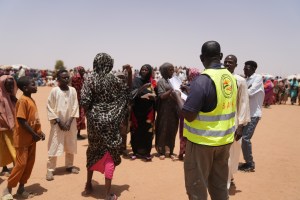
Sudan is living through one of the most severe humanitarian catastrophes in modern history. Since April 2023, when fighting erupted between the Sudanese Armed Forces (SAF) and the Rapid Support Forces (RSF), the country has been thrust into a vortex of violence, famine, and mass displacement that continues to devastate millions of lives. According to the UN, nearly 30 million people (over 60% of Sudan’s population) are currently in desperate need of food, shelter, clean water, and medical care. The scale of the suffering is staggering, and yet, amid the chaos, a network of international and diaspora-led organizations continues to show up, day after day, refusing to let Sudan be forgotten.
If you’ve been wondering what organizations are involved in supporting refugees in Sudan, you’re not alone, and the answer involves a broad coalition of global agencies, faith-based groups, advocacy bodies, and community-rooted nonprofits. This blog breaks them all down, so you know exactly who’s doing what on the ground and how you can help.
The Scale of Sudan’s Humanitarian Crisis
Before diving into the organizations, it helps to understand what they’re up against. According to the British Red Cross, over 12 million people have been forcibly displaced, which is more than the combined populations of Scotland, Wales, and Northern Ireland. Sudan now accounts for 1 in 7 of the world’s internally displaced people. Around 4.2 million have fled to neighboring countries, including Chad, Egypt, Ethiopia, South Sudan, and the Central African Republic.
The numbers behind the crisis are heartbreaking:
- 33.7 million people need urgent humanitarian assistance
- 80% of hospitals in conflict-affected areas are out of service
- 19.2 million people face life-threatening food insecurity
- 3.2 million children under 5 are projected to suffer acute malnutrition in 2026
- Up to 150,000 people have been killed, making Sudan the fourth deadliest conflict in the world
- 90% of people among Sudan’s refugees are women and children
>> Related Post: A Father’s Relief After His Child’s Cleft Lip Surgery
What Organizations Are Involved in Supporting Refugees in Sudan?
1. UNHCR (The UN Refugee Agency)
The UNHCR is the lead international body for refugee protection. With teams deployed inside Sudan and across all major neighboring countries, UNHCR provides core relief items including food, water, shelter, and healthcare, as well as cash assistance to the most vulnerable families. As of their latest reporting, more than 9.4 million people have been forcibly displaced and are in urgent need of UNHCR’s support. Despite the scale of need, UNHCR has flagged that Sudan’s relief response remains severely underfunded, disrupting its capacity to reach people in time.
2. SAPA (Sudanese American Physicians Association)
SAPA is a diaspora-led, humanitarian nonprofit founded in 2019 by Sudanese physicians and medical professionals in the United States. Through its on-the-ground network and medical expertise, SAPA supports Sudan’s collapsing healthcare system while also responding to urgent humanitarian needs. Its programs include healthcare and emergency services, hunger relief, and WASH initiatives that provide clean water, sanitation, and hygiene support to vulnerable communities. Since the conflict began, SAPA has helped deliver medical aid, food assistance, clean water access, and support for local doctors working under extreme conditions. In a crisis where hospitals are overwhelmed and displaced families lack essentials, SAPA plays a critical role in keeping lifesaving care within reach.
3. World Food Programme (WFP)
The WFP is the world’s largest humanitarian organization addressing food insecurity. In Sudan, WFP works to provide emergency food assistance and cash transfers across conflict-affected areas. They have partnered with the Sudanese Red Crescent to distribute food and cash to 1.2 million people across 13 states. Given that famine has now been confirmed in multiple areas, WFP’s presence is not just essential; it is lifesaving.
4. British Red Cross & The Red Crescent Movement
The British Red Cross channels emergency funding and coordinates with the broader Red Cross and Red Crescent Movement, which has deployed over 40,000 volunteers across all 18 states of Sudan. Since the conflict began, the Sudanese Red Crescent has:
- Provided 1.4 million people with emergency medical care and psychological first aid
- Supported more than 2 million people with shelter and essential household items
- Restored family links for separated and displaced families
- Provided cash assistance to 10,000 families in Tawila alone
5. Refugees International
Refugees International takes a powerful advocacy-first approach. The organization identifies itself as a watchdog for displaced populations, conducting field research, publishing policy recommendations, and lobbying governments to respond to Sudan’s crisis with appropriate funding and political will. Their on-the-ground reporting has been instrumental in documenting famine conditions, gender-based violence, and blocked humanitarian access. They don’t just raise awareness; they push governments to act.
>> Related Post: How to Donate to Sudan: A Guide for Donors in the USA, UK & Canada
How SAPA Is Supporting Sudan’s Most Vulnerable People
SAPA (Sudanese American Physician Association) is a scientific, professional, and humanitarian organization founded in January 2019. As a membership-based association, SAPA brings together physicians and medical professionals of Sudanese descent who live and work primarily in the United States. SAPA’s mission is to empower Sudanese healthcare professionals in the U.S. while advancing medical education, expanding healthcare access, and providing humanitarian aid to communities in Sudan and beyond.
When international organizations face access restrictions or bureaucratic barriers, diaspora-led organizations often fill the gap with speed, cultural understanding, and deep community trust. That’s exactly the role played by the Sudanese American Physicians Association (SAPA).
What sets SAPA apart is its unique ability to bridge the diaspora and the crisis, channeling American-based resources directly into Sudan’s most urgent healthcare and humanitarian needs, with cultural fluency that larger agencies can’t always match. SAPA’s active programs in Sudan include:
- Healthcare at the Front Lines – Ibrahim Malik Hospital
SAPA has been a key support partner for Ibrahim Malik Hospital in Khartoum, one of the few medical facilities that continued operating amid devastating conflict. With hospitals destroyed or overwhelmed, SAPA’s medical support has helped keep critical care available when the health system around it was collapsing.
- Fighting Famine – Sudan Hunger Relief Program
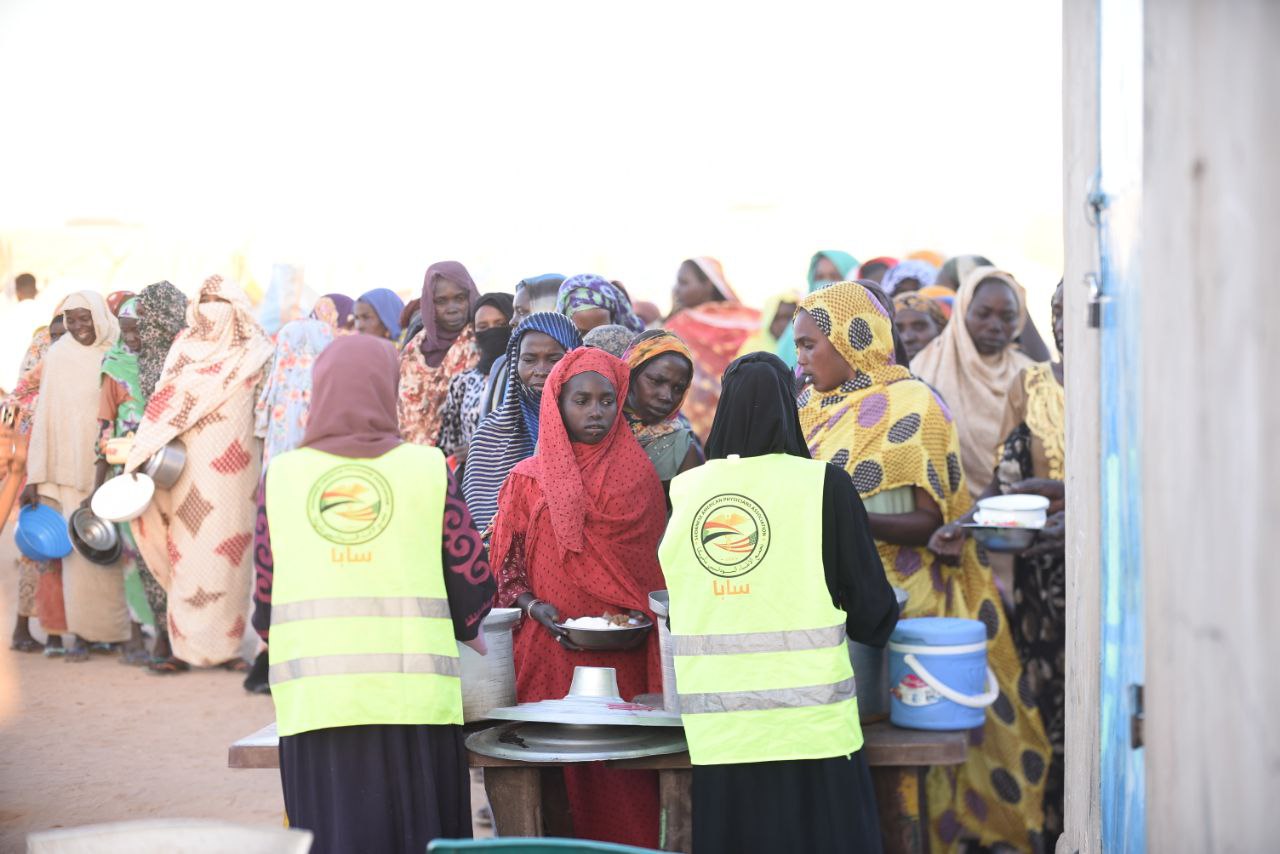
With 19.2 million people at risk due to food insecurity, SAPA’s Hunger Relief Program delivers food packages and nutritional support to displaced families and vulnerable communities. Every dollar donated goes toward breaking the cycle of starvation.
- Clean Water & Sanitation – WASH Program
Access to clean water is one of the most critical unmet needs in Sudan’s crisis. SAPA’s WASH (Water, Sanitation, and Hygiene) program works to provide safe drinking water and improved sanitation infrastructure to communities most at risk. At least 80% of internally displaced women are unable to secure clean water. SAPA is working to change that.
FAQs
1. How many people have been displaced in Sudan?
According to UNHCR, more than 9.4 million people have been forcibly displaced. The British Red Cross reports that nearly 12 million have been forced to flee their homes, with 4.2 million crossing into neighboring countries.
2. How can I help if I’m from the Sudanese diaspora?
Beyond donating, diaspora members can volunteer as medical professionals with SAPA’s Emergency Medical Teams or start a fundraiser through SAPA’s platform.
3. Is there famine in Sudan right now?
Yes. Famine has been officially confirmed in multiple areas, including El Fasher in North Darfur.
4. How can I donate to help refugees in Sudan?
You can donate through community-rooted organizations like SAPA. SAPA offers targeted programs including the Hunger Relief Program, WASH, and healthcare support, with 100% of donations going toward Sudan-based programs.
5. What is SAPA and how is it helping Sudan?
SAPA is a diaspora-led nonprofit founded in 2019. SAPA supports healthcare, food security, and clean water access for people in Sudan through programs like the Ibrahim Malik Hospital support, Hunger Relief, and the WASH initiative.
6. Are aid workers safe in Sudan?
Aid workers face serious risks. According to DevelopmentAid, aid workers in Sudan have faced targeted attacks. The British Red Cross reports that 21 Red Crescent volunteers have been killed during the conflict, including five in November 2025 in North Kordofan.
7. What kind of help do Sudan’s refugees need most?
The most critical needs include food, clean water, emergency medical care, shelter, and protection, especially for women and children. According to UNHCR, 90% of Sudanese refugees are women and children. Programs like SAPA’s WASH Program and Hunger Relief directly address these priorities.