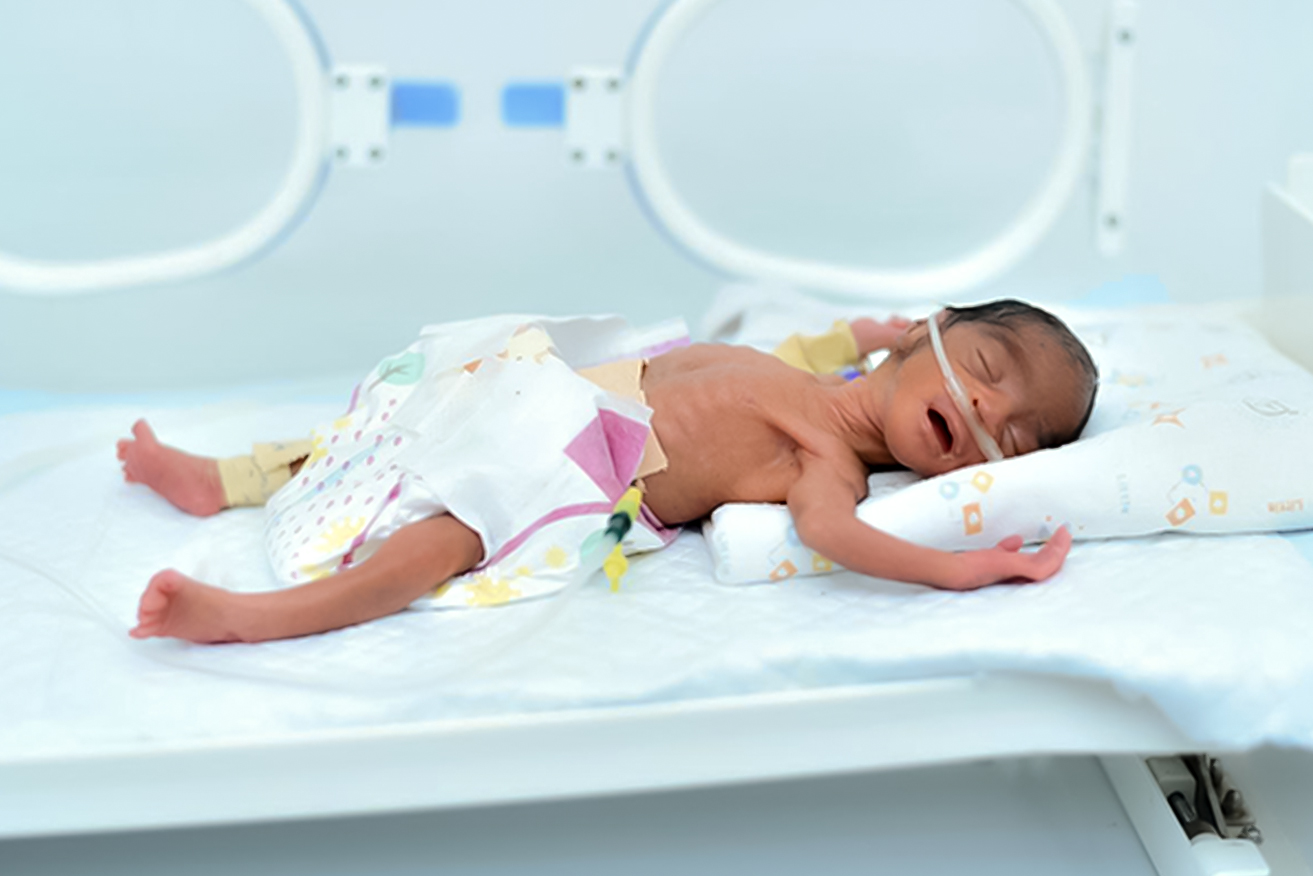
Every 9 Minutes: A Newborn’s Chance at Life in Sudan
 Mahnoor
Imagine a child, barely days old, fighting to breathe in a hospital with no electricity, no incubator, and no specialist. Imagine a mother who has walked for days to reach a clinic, only to find the medicine shelf empty. In Sudan today, this is not a rare tragedy. It is a routine occurrence.
Since the outbreak of armed conflict in April 2023, Sudan has plunged into one of the world’s most devastating humanitarian emergencies. According to the UN Office for the Coordination of Humanitarian Affairs (OCHA), over 19.5 million people are facing acute food insecurity, and more than 8.9 million have been displaced inside the country alone. The healthcare system has been pushed to the absolute brink.
But in the middle of this darkness, a determined network of Sudanese American physicians is fighting back. The Sudanese American Physicians Association (SAPA) has built an emergency response infrastructure that reaches across Sudan, deploying mobile clinics, training healthcare workers, and delivering life-saving interventions at a pace that amounts to one life impacted every 9 minutes.
This blog explores how SAPA is saving lives every 9 minutes, what fuels that extraordinary response, what the crisis looks like on the ground, and how you can be part of the solution.
The Scale of Sudan’s Humanitarian Crisis
To understand why SAPA’s mission matters, you must first understand the scale of what Sudan is facing. These are not abstract numbers; each figure represents a family in crisis, a child in danger, a life at risk.
- 19.5 million people are facing acute food insecurity
- 5.1 million facing the worst hunger conditions
- 4.2 million malnourished children and mothers who need urgent nutritional care
- 8.9 million people displaced inside Sudan, cut off from their communities and healthcare
Children under five are among the most vulnerable populations. Malnutrition, preventable disease, and lack of access to neonatal care are claiming young lives at a staggering rate. Newborns are dying in overcrowded maternity wards facing power outages and critical medical shortages.
The World Health Organization (WHO) has flagged Sudan as one of the most complex emergencies in the world today, with nearly half of all hospitals in Khartoum having been damaged or destroyed in just the first 500 days of conflict.
How SAPA Is Saving Lives Every 9 Minutes: The Healthcare Response
The phrase “every 9 minutes” is not a slogan. It is SAPA’s operational reality. Through a multi-layered emergency healthcare response, SAPA has built a system capable of delivering continuous, scalable, and measurable impact across Sudan.
Emergency Healthcare Services
SAPA’s Healthcare and Emergency Services program deploys mobile medical clinics into conflict-affected areas where no fixed facilities exist. These teams bring physicians, nurses, medications, and diagnostic tools directly to displaced communities.
Neonatal and Pediatric Care
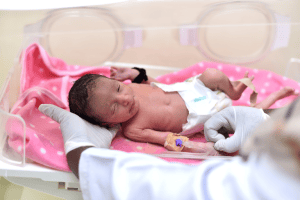
One of SAPA’s most urgent priorities is newborn and child survival. To date, SAPA has deployed 300 infant warmers to hospitals across Sudan, with a target of reaching 966 facilities nationwide. These devices are critical for premature and low-birthweight infants who would otherwise not survive. The Every 9 Minutes initiative specifically targets the neonatal crisis as one of its five core pillars.
Training and Empowering Frontline Healthcare Workers
A doctor or nurse who stays in Sudan is irreplaceable. SAPA has already trained 1,043 healthcare providers and is working toward a target of over 2,500 trained professionals, multiplying its impact far beyond direct interventions. Strengthening healthcare worker capacity is one of the highest-impact investments in crisis settings.
Healthcare Facility Support
SAPA has already reached 54 healthcare facilities across Sudan, to support 161 facilities total. This includes providing equipment, medications, and operational support to keep hospitals and clinics functioning when they would otherwise have to close.
The WASH Program
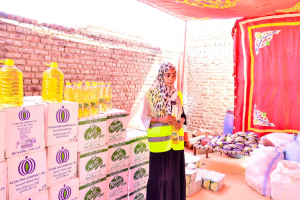
Disease spreads rapidly in crisis conditions. SAPA’s Water, Sanitation and Hygiene (WASH) program delivers clean water, sanitation solutions, and hygiene education to reduce preventable illness, because saving lives isn’t just about treating patients; it’s about preventing sickness in the first place.
>> Related Post: What Organizations are Involved in Supporting Refugees in Sudan?
The 5 Pillars of the Every 9 Minutes Initiative
SAPA’s Every 9 Minutes initiative is built on five interconnected pillars, each designed to amplify the impact of your support:
- Every 9 Minutes — Urgency & Emergency: Highlighting the pace at which lives are being saved and the urgency of continued support.
- Newborn & Child Survival — Emotional Human Impact Stories: Sharing the real faces behind the crisis — babies who survived because of an infant warmer, mothers whose children received care in time.
- Collapsing Healthcare — Crisis Reality: Documenting the scale of healthcare system collapse across Sudan, drawing on verified field data.
- SAPA’s Medical Response — Trust & Proof: Providing transparent, evidence-based reporting on exactly where funds go and what impact they generate.
- Hope for Sudan — Donor Retention: Sustaining long-term engagement by showing that change is possible and that every donation genuinely matters.
How SAPA Is Saving Newborn Lives Every 9 Minutes Through Physician-Led Action
The Sudanese American Physicians Association (SAPA) is a 501(c)(3) nonprofit organization established in January 2019, headquartered in Dallas, Texas. It is a not-for-profit, scientific, professional, non-partisan, and humanitarian membership-based organization founded by Sudanese American physicians who refused to watch from the sidelines as their homeland suffered.
SAPA’s model is built on something the humanitarian sector often struggles with: deep, technical expertise. Every program is designed and overseen by licensed physicians and healthcare professionals who understand both the science of medicine and the realities of working in conflict and low-resource settings.
In 2025 alone, SAPA’s impact included:
- 700,000+ patients provided with medical care
- 250,000+ children under five treated
- 300,000+ children screened for malnutrition
- 90,000+ children vaccinated
- 95 healthcare facilities supported
- 1,800 healthcare professionals supported
Understanding how SAPA is saving lives every 9 minutes begins with this foundation: physician-led, evidence-driven, and relentlessly focused on measurable impact.
>> Related Post: How Can I Help or Get Involved with Supporting Refugees from Sudan?
FAQs
1. What does “every 9 minutes” mean in SAPA’s campaign?
“Every 9 minutes” reflects the average rate at which SAPA’s interventions are reaching patients and communities across Sudan. Based on SAPA’s 2025 impact data, including 700,000+ patients served and thousands of healthcare workers trained, the organization’s combined programs deliver a measurable impact roughly every 9 minutes of every day. It underscores the urgency of ongoing support and the scale at which SAPA operates.
2. How does SAPA use donations?
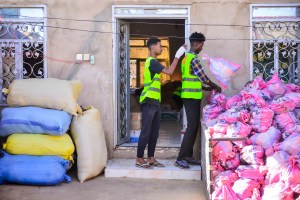
Donations fund emergency healthcare services, neonatal care equipment (like infant warmers), mobile medical clinics, physician and nurse training, hunger relief, and WASH programs.
3. How bad is Sudan’s healthcare crisis in 2025–2026?
Extremely severe. According to the World Health Organization, nearly half of all hospitals in Khartoum were damaged in the first 500 days of conflict. UN OCHA documents 19.5 million people facing acute food insecurity and 4.2 million malnourished children and mothers. Healthcare workers have fled, supply chains are broken, and communities have no alternatives to SAPA and its partner organizations.
4. Who are the most vulnerable populations SAPA serves?
SAPA prioritizes newborns and children under five, pregnant and lactating mothers, displaced families with no access to healthcare, and communities in conflict zones where no functioning hospitals remain. According to UNICEF’s Sudan crisis reports, children face the gravest risks from malnutrition, preventable disease, and birth complications in resource-depleted facilities.
5. Is SAPA a trusted and verified organization?
Yes. SAPA is a registered 501(c)(3) nonprofit (EIN: 83-3464851), tax-exempt since October 2019. It works in partnership with UNICEF, WHO, Muslim Aid, MedGlobal, and other reputable global organizations. Its annual reports and audited financials are published openly on its website.
6. How can I donate to SAPA?
You can donate directly through SAPA’s Save a Life in Sudan campaign page. SAPA also accepts Zakat, Sadaqah, Fidyah, and other Islamic giving, all detailed on the SAPA website. Donations are secure, tax-deductible, and go directly to life-saving programs.
7. Can I volunteer with SAPA?
Yes. SAPA actively recruits healthcare professionals and non-medical volunteers. Physicians, nurses, and paramedics can join Emergency Medical Teams (EMT) for medical missions. Others can support through fundraising, advocacy, and community outreach
8. How does SAPA’s hunger relief program connect to healthcare?
Malnutrition and disease are deeply interconnected. A malnourished child is significantly more vulnerable to infection and slower to heal after treatment. SAPA’s Sudan Hunger Relief Program distributes essential meals and nutritional support alongside emergency medical care. According to WHO nutrition guidelines, treating severe acute malnutrition can reduce child mortality by up to 50%.