

Top 10 International Charities to Donate to 2026 | Best Global Charities
 mahnoor
It is clear that the world is not the happiest place, and every soul must face its own challenge. While some people fight hunger, others fight detrimental medical conditions and poverty. In such dire circumstances, charity organizations are a symbol of hope and the existence of humanity around us. These groups work tirelessly to address various issues, from poverty and hunger to disease and war. By donating our time, resources, or funds, we can all contribute to the incredible work they do. But with so many charities out there, how do you know which ones are the best to support? This is why we shall discuss the qualities that the best charity organizations in the world should have and also list 10 of our favorite NGOs.

Key Qualities of the Best International Charity Organizations in the World for 2026:
Transparency:
A reputable charity should be open and honest about how they use their funds. Look for clear financial statements and reports on their website. You should be able to easily understand how much of your donation goes directly to programs and how much is spent on administrative costs.
Effectiveness:
Does the charity have a proven track record of success? Research their programs and initiatives to see what impact they are making. Look for charities that use evidence-based approaches and can demonstrate measurable results.
Efficiency:
A good charity minimizes administrative costs and directs most of its resources towards its programs. This means they have a low overhead ratio, which is the percentage of their budget that goes towards administrative costs.
Passion and Expertise:
Look for a charity with a dedicated team of professionals who are passionate about the cause they serve. The staff should have the knowledge and experience necessary to effectively carry out the organization’s mission.
Best 10 Global Charity Organizations to Donate to in 2026
1. SAPA (Sudanese American Physicians’ Association)
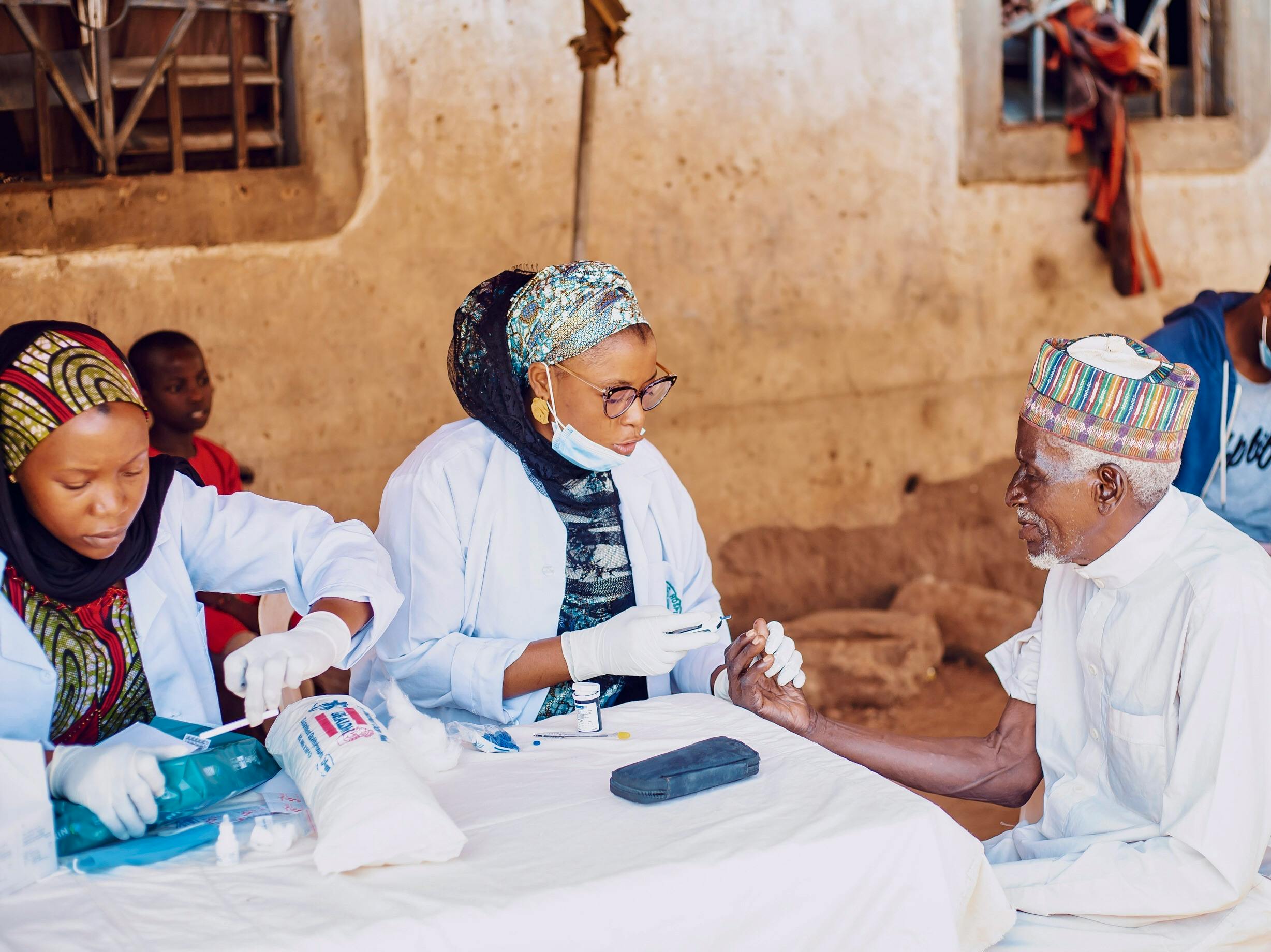
SAPA focuses on delivering life-saving medical care to underserved communities in mainly Sudan. Our flagship project, the Elbulik Hospital project, transformed a small rural clinic into a comprehensive medical facility serving thousands. We’ve also established the SAPA Hospital in Madni, Sudan, providing critical healthcare services to a region with limited access to medical care. This hospital provides critical services to the local community, helping to improve health outcomes and reduce preventable deaths. Additionally, we have also been working on eradicating blindness among children in the African region and have taken up the responsibility of distributing food to decrease the high level of hunger in the continent.
2. The International Committee of the Red Cross (ICRC)
A world-renowned humanitarian organization, the ICRC has been protecting people affected by armed conflict for over 150 years. They provide neutral and impartial aid, working to ensure access to healthcare, food, and water in war zones. The ICRC also advocates for the protection of civilians and prisoners of war.
3. Médecins Sans Frontières (MSF) (Doctors Without Borders)
MSF is a medical humanitarian organization known for its rapid response to emergencies and crises around the world. They deliver medical care to people in conflict zones, natural disasters, and areas with limited healthcare access. MSF is known for its dedication to neutrality and independence, ensuring aid reaches those who need it most.
4. Oxfam
Oxfam is a global confederation of organizations fighting poverty and injustice. They work on a wide range of issues, including hunger relief, disaster response, gender equality, and climate change. Oxfam is known for its advocacy work, campaigning for policies that promote a more just and equitable world.
5. The Salvation Army
A Christian church and social service organization, the Salvation Army offers a wide range of programs to help those in need. These include addiction recovery services, homeless shelters, disaster relief, and youth programs. The Salvation Army is known for its boots on the ground approach, providing direct assistance to people in their communities.
6. Save the Children
As the name suggests, Save the Children focuses on improving the lives of children around the world. They work on a variety of issues affecting children, including education, healthcare, and child protection. Save the Children is known for its innovative programs and its commitment to long-term change.
7. World Vision
World Vision is a Christian humanitarian organization that works to tackle poverty and injustice. They focus on child well-being, clean water, disaster relief, and economic development. World Vision is known for its community-based approach, working with local partners to develop sustainable solutions.
8. CARE International
CARE International is a global humanitarian organization that fights poverty, hunger, and social injustice. They focus on empowering women and girls, providing emergency assistance, and promoting sustainable development. CARE International is known for its work in some of the world’s most challenging environments.
9. Amnesty International
Amnesty International is a global movement for human rights. They research and expose human rights abuses, campaign for change, and work to protect the rights of all people. Amnesty International is known for its relentless pursuit of justice and its willingness to speak truth to power.
10. American Cancer Society
The American Cancer Society is the largest cancer charity organization in the US. They fund groundbreaking cancer research, provide patient support services, and advocate for policies to prevent and cure cancer. The American Cancer Society has played a pivotal role in the progress made against cancer over the past few decades.
Conclusion
The world is a complex place with a multitude of challenges. But amidst the difficulties, there is an abundance of hope fueled by the tireless efforts of countless charity organizations. These groups, driven by compassion and a desire for positive change, address a wide range of issues and make a real difference in the lives of millions.
When choosing a charity to support, consider the causes you’re passionate about and research organizations that align with your values. Look for those that are transparent, effective, and passionate about their mission. Every contribution, big or small, has the power to create a ripple effect of positive change.
FAQs: Best International Charities 2026
How can I be sure a charity is legitimate?
There are a few key steps you can take to verify a charity’s legitimacy:
- Check their registration: Most reputable charities will be registered with a government agency or nonprofit organization. You can search online databases like those maintained by the IRS (US) or Charity Commission (UK) to confirm their status.
- Look for financial transparency: Legitimate charities should readily provide information on their website about how they use their funds. This typically includes annual reports or financial statements detailing their income, expenses, and program allocations.
- Research their reputation: Look for reviews and evaluations from independent sources like Charity Navigator or GiveWell. These organizations analyze charities based on financial health, transparency, and program effectiveness.
What are some other factors to consider when choosing a charity?
Beyond legitimacy, consider these factors:
- Mission Alignment: Does the charity’s mission align with the causes you care about?
- Impact: Research the charity’s programs and their measurable impact. Are they achieving their stated goals?
- Overhead Costs: Look for charities with a low overhead ratio, meaning a high percentage of their funds go directly to programs.
What are some ways to donate beyond money?
While financial contributions are crucial, there are other ways to support charities:
- Volunteer your time and skills: Many charities rely on volunteers to carry out their mission. Consider volunteering your time or expertise if you have something valuable to offer.
- Raise awareness: Spread the word about the charity’s work through social media, word-of-mouth, or by organizing fundraising events.
- Donate in-kind goods: Some charities might need specific items like clothing, food, or medical supplies. Consider donating these items directly.
- Advocate for change: Support charities that lobby for policies that address the root causes of the issues they tackle.
Is it better to donate to large or small charities?
Both large and small charities can be effective. Large charities often have a broader reach and established infrastructure, while smaller charities can be more nimble and have lower overhead costs. Ultimately, the best choice depends on your priorities and research.

Comment (1)
Amos Nyakundi Machoka
Hello am Amos from Kenya am glad to find you thank God for this opportunity to share my vision with you kindly if you can reach me through my email then please message me because am eagerly waiting for your support from this side of Kenya let our light shine more