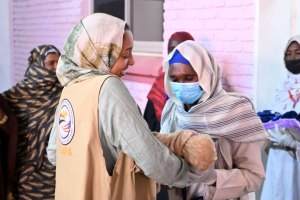

Sudan’s El Fasher Faces Catastrophe as Displacement Fears Escalate
 Waleed
Sudan is once again on the brink of a humanitarian disaster. The conflict in El Fasher, North Darfur’s last semi-functioning urban center, has triggered a wave of human suffering that is growing by the day. As armed clashes intensify and vital infrastructure collapses, tens of thousands are fleeing the city in search of safety, often on foot, carrying only what they can manage.
According to the United Nations, entire neighborhoods have been destroyed, hospitals have been looted, and civilians remain trapped amid escalating violence, worsening health risks, and mass displacement.
The Collapse of El Fasher: A Look Back at What Happened
El Fasher has been the last standing humanitarian hub in Darfur for months, but the situation rapidly deteriorated following armed advances and the takeover of major districts. Reports from survivors describe chaotic evacuations, burned homes, separated families, and a city facing the complete breakdown of basic services.
Families who escaped the violence are now scattered across displacement sites where they face hunger, dehydration, and illness. Many walked for days without food or water before reaching safer towns such as Tawila.
Children continue arriving alone. Hospitals continue shutting down. And aid agencies warn that a full-scale displacement crisis is unfolding, with more people expected to flee in the coming weeks.
>> Related Post: From El-Fasher to Tawila: How SAPA is Saving Lives in North Darfur’s Deepening Crisis
Mothers Fleeing El Fasher: Carrying Families Through Chaos
Mothers are often the last to leave dangerous areas, waiting until they can gather their children or support elderly relatives. But the scale of attacks and destruction in El Fasher forced thousands of women to flee immediately, many with infants strapped to their backs. Humanitarian observers report seeing mothers collapse from dehydration after walking more than 100 km to escape the fighting.
One of the most striking accounts comes from SAPA’s mobile clinic team:
Sayda, a mother from rural Omdurman, traveled by carriage with her three children, one of them severely malnourished, because there was no functioning health facility left in her area. She arrived exhausted, frightened, and desperate for treatment. Her story is one of thousands.
Families fleeing conflict not only leave their homes, but also their lifelines, such as the clinics, pharmacies, vaccination programs, and maternity wards. With health systems collapsing across Darfur, mothers have nowhere to turn except emergency aid and mobile clinics.
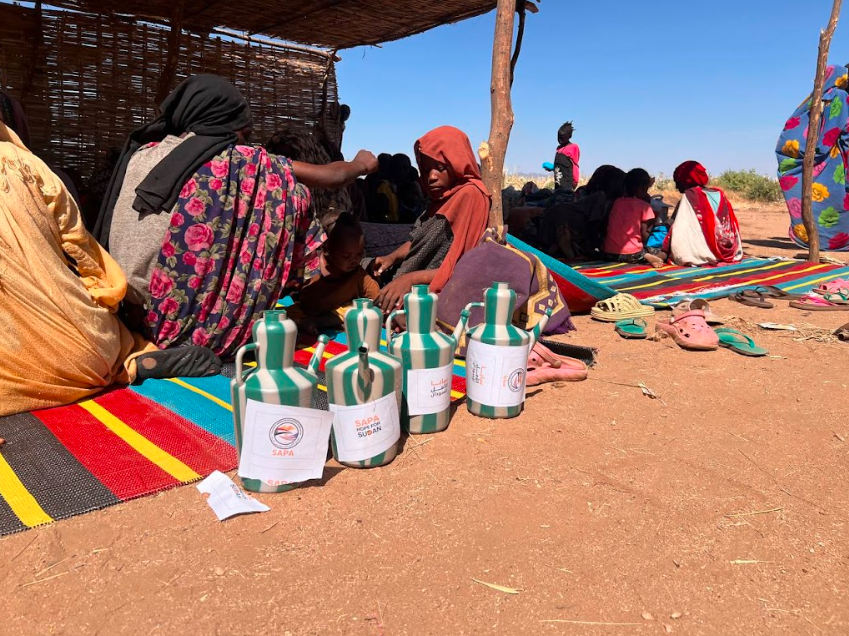
Infants and Newborns: The Hidden Casualties of the Crisis
Newborns are among the most vulnerable in any conflict zone. The destruction of hospitals in El Fasher has made it nearly impossible for mothers to deliver safely or receive postnatal care.
Hundreds of infants have been evacuated in the recent wave of displacement. SAPA data confirms that over 400 children from El Fasher reached Tawila in just one month, arriving in shock, severely dehydrated, or malnourished.
Among them were Intisar, Mecca, Mariam, and Tanzeel, four young girls who lost their father during the violence. Their mother carried them across long stretches of desert terrain with nothing but the hope of safety at the nearest displacement site.
International reports warn that many infants are arriving with:
- Hypothermia
- Severe acute malnutrition
- Infectious diseases
- Dehydration
- Trauma after witnessing violence
A recent report from Al Jazeera highlights that hundreds of children fled alone from El Fasher during the most recent attacks, many having witnessed the deaths of family members on their journey.
Children and Unaccompanied Minors: Terrified, Alone, and Displaced
Children have borne the heaviest burden of this crisis. According to humanitarian monitors:
- Many children fled without their parents, separated in the chaos.
- Some walked for two to three days without food.
- Others arrived dehydrated, traumatized, or in medical shock.
Reports from UN agencies confirm a sharp increase in unaccompanied minors crossing into displacement settlements. These children require not just food and shelter, but urgent psychological support, medical care, and safe reunification efforts.
Cholera Threat and Public Health Emergency
With water systems collapsing inside El Fasher and surrounding towns, aid agencies are warning of a rapidly escalating cholera outbreak. Flooded latrines, overcrowded shelters, and contaminated water sources have created the perfect conditions for disease spread.
Risk factors include:
- Limited access to clean water
- Families drinking from unprotected wells
- Lack of sanitation facilities
- Long travel routes under extreme heat
- Overcrowded settlements with no hygiene resources
Medical teams fear that without immediate intervention, cholera could spread beyond North Darfur into multiple states, especially as thousands continue moving on foot.
Food Shortages and Rising Malnutrition
Food scarcity is now one of the most severe consequences of the El Fasher collapse. Supply routes into the region have been cut off, markets have stopped functioning, and the price of basic food items has skyrocketed.
Families fleeing the city report:
- Going two or more days without meals
- Children fainting from hunger during the journey
- Mothers giving their rations to their children
- Massive queues at aid distribution points
- Lack of cooking facilities in displacement camps
>> Related Post: Crisis in El Fasher: Urgent Needs and Lifesaving Support
What SAPA Is Doing on the Ground
Despite insecurity, collapsed infrastructure, and rising displacement, SAPA continues to operate across multiple states, reaching families who have nowhere else to turn. Our teams are delivering life-saving medical care, nutrition support, WASH services, and emergency relief every single day.
1. Mobile Clinics in Tawila and Surrounding Regions
SAPA’s mobile clinics remain a lifeline for mothers and children who have fled violence with nothing. Each week, hundreds receive essential care, including:
- Emergency medical consultations
- Treatment for malnutrition
- Diarrhea, dehydration, and cholera-prevention medication
- Vaccinations
- Maternal and newborn care
2. Infant Warmers Saving Newborn Lives
With neonatal deaths rising across Sudan, SAPA, through a landmark partnership with Embrace Global, introduced the country’s first large-scale rollout of infant warmers. To date:
- 17 warmers delivered to 6 hospitals in Kassala
- 31 warmers delivered to 8 hospitals in Gedaref
- 300 warmers being deployed across 66 facilities
- A national expansion plan targeting 900 warmers across multiple states
The Noor Project is strengthening delivery rooms nationwide by providing:
- Temperature-stable infant warmers
- Training for midwives and nurses
- Infection-prevention systems
- Maintenance and sterilization support
3. Daily Food Distribution for Families in Crisis
Across SAPA-supported camps and emergency sites, thousands of displaced people rely on SAPA’s kitchens for their only reliable meal of the day.
Every day, SAPA provides:
- Warm cooked meals for newly arriving families
- High-calorie emergency rations for children and pregnant women
- Food parcels for households with limited or no access to markets
- Therapeutic feeding for malnourished children
4. WASH (Water, Sanitation & Hygiene) Support in Displaced Communities
With cholera cases rising and water sources contaminated, SAPA’s WASH teams are working to prevent disease outbreaks in high-risk areas. Our activities include:
- Water trucking to communities with no safe drinking water
- Distribution of hygiene kits (soap, purification tablets, sanitary supplies)
- Construction and rehabilitation of latrines to reduce open defecation
- Cholera awareness and prevention campaigns led by trained community workers
5. Direct Emergency Aid to Newly Arriving Children
Families arriving from El Fasher, Tawila, and surrounding regions continue to face unimaginable trauma. SAPA teams meet them at arrival points with immediate support. In the last month alone:
- 400+ children received emergency assistance
- Newly displaced families received food parcels, warm meals, and therapeutic feeding
- Protection teams documented separated minors and supported reunification
- Medical staff treated dehydration, fevers, injuries, and infections
FAQs
1. What caused the sudden displacement from El Fasher?
Armed clashes, destruction of homes, looting of hospitals, and escalating violence have forced families to flee the city.
2. How many children have fled El Fasher recently?
Over 400 children reached Tawila in the last month alone, many unaccompanied or separated from their families.
3. Are health facilities still operating in El Fasher?
Most hospitals have been severely damaged or looted, making them non-functional.
4. What is the biggest health risk for displaced families?
Cholera, dehydration, injuries, and malnutrition pose the highest immediate risks [ReliefWeb].
5. Why are children arriving alone?
Many were separated during chaotic evacuations or lost parents during attacks [Al Jazeera].
6. How is SAPA helping newborns in crisis areas?
SAPA is distributing neonatal warmers to hospitals across Sudan, improving survival rates for premature and vulnerable infants.
7. What services do SAPA mobile clinics provide?
They offer treatment for malnutrition, infections, maternal care, vaccinations, and emergency consultations.
8. Are food shortages affecting all displacement sites?
Yes. Supply chains have collapsed, leading to widespread hunger and rising malnutrition.
9. How far are families walking to reach safety?
Many have walked 100 km or more, often without food, water, or shelter.
10. How can people help families affected by the El Fasher crisis?
Supporting trusted humanitarian organizations like SAPA ensures that medical aid, food, and protection reach those who need it most.