5 Good Deeds to Do in Ramadan for Maximum Reward
 Waleed
Ramadan is a sacred pause in the year, a time when Allah invites us to slow down, reflect, and realign our lives with purpose. While fasting is the most visible act of worship, Ramadan is far more than abstaining from food and drink. It is a season of intention, generosity, patience, and compassion.
Many Muslims enter Ramadan with sincere intentions but later find themselves asking: What should I actually be doing in Ramadan to gain maximum reward? The answer lies not in overwhelming ourselves with long checklists, but in focusing on meaningful, good deeds done consistently and with sincerity.
This guide explores five powerful good deeds to do in Ramadan that nourish the soul, strengthen faith, and extend mercy to others, especially those facing hardship. These are not abstract ideals, but practical actions that can transform your Ramadan into a source of lasting reward.
>> Related Post: Best Zakat Charities to Donate to in 2026
Why Good Deeds in Ramadan Are Multiplied
Ramadan is unique because Allah multiplies rewards beyond measure. The Prophet ﷺ explained that every good deed is rewarded many times over, but fasting is rewarded directly by Allah Himself. This divine generosity sets Ramadan apart from every other month.
What makes Ramadan especially powerful is not just the increase in reward, but the spiritual environment it creates. Hearts soften, intentions sharpen, and believers become more aware of their responsibility toward others. Acts of kindness that may feel small at other times carry immense weight in Ramadan.
This is why scholars emphasize quality over quantity. A single sincere act, done purely for Allah and with compassion, can outweigh many habitual actions done without reflection. Ramadan is an opportunity to recalibrate how and why we do good.
>> Related Post: Best Ramadan Charities to Donate to in 2026
5 Things to Do in Ramadan for Maximum Reward:
1. Giving Charity and Zakat During Ramadan
Charity stands at the heart of Ramadan. The Prophet ﷺ was known for his generosity throughout the year, but his giving increased significantly during Ramadan. This reflects the spirit of the month: recognizing our blessings and responding to them with gratitude through giving.
Giving charity in Ramadan purifies wealth and purifies the heart. It shifts focus away from personal comfort toward collective responsibility. For those struggling with hunger, illness, or displacement, your charity becomes a lifeline, often arriving at the moment it is needed most.
According to Islamic teachings, charity given in Ramadan not only benefits the recipient; it protects the giver from hardship, increases barakah, and draws a person closer to Allah.
Zakat in Ramadan
While Zakat is an obligation that can be fulfilled at any time of the year, many Muslims choose Ramadan to fulfill it because of the multiplied reward. Paying Zakat during Ramadan combines financial purification with spiritual elevation.
Zakat transforms lives when directed to those facing urgent need, families without food, mothers without medical care, and communities without access to clean water. In Ramadan, fulfilling this obligation becomes an act of mercy that echoes beyond the month itself.
>> Related Post: Sadaqah in Ramadan: The Best Ways to Give and Make a Difference
2. Feeding the Fasting and Supporting Families in Need
Feeding someone who is fasting is one of the most beloved deeds in Ramadan. The Prophet ﷺ taught that whoever provides food for a fasting person to break their fast receives the same reward as the fasting person, without reducing their reward in any way.
This act embodies the essence of Ramadan: selflessness, empathy, and shared humanity. It reminds us that worship is not only personal devotion, but also caring for the dignity and survival of others.
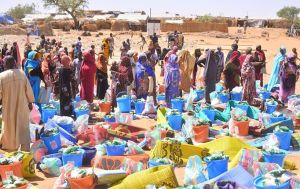
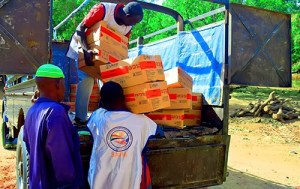
Feeding the fasting goes beyond hosting meals for family and friends. In many parts of the world, fasting families do not know where their next meal will come from. For them, community kitchens and food distributions are not conveniences; they are necessities.
3. Strengthening Your Relationship With the Qur’an
Allah describes Ramadan as the month in which the Qur’an was revealed. This makes connecting with the Qur’an one of the most meaningful things to do in Ramadan. The Qur’an is not meant to be rushed through; it is meant to be reflected upon, lived with, and acted upon.
Many people feel pressure to complete the Qur’an quickly, but even a small portion read with understanding and reflection can be transformative. Ramadan offers a unique spiritual clarity that allows the Qur’an to speak directly to the heart.
4. Making Du’a for Yourself and Others
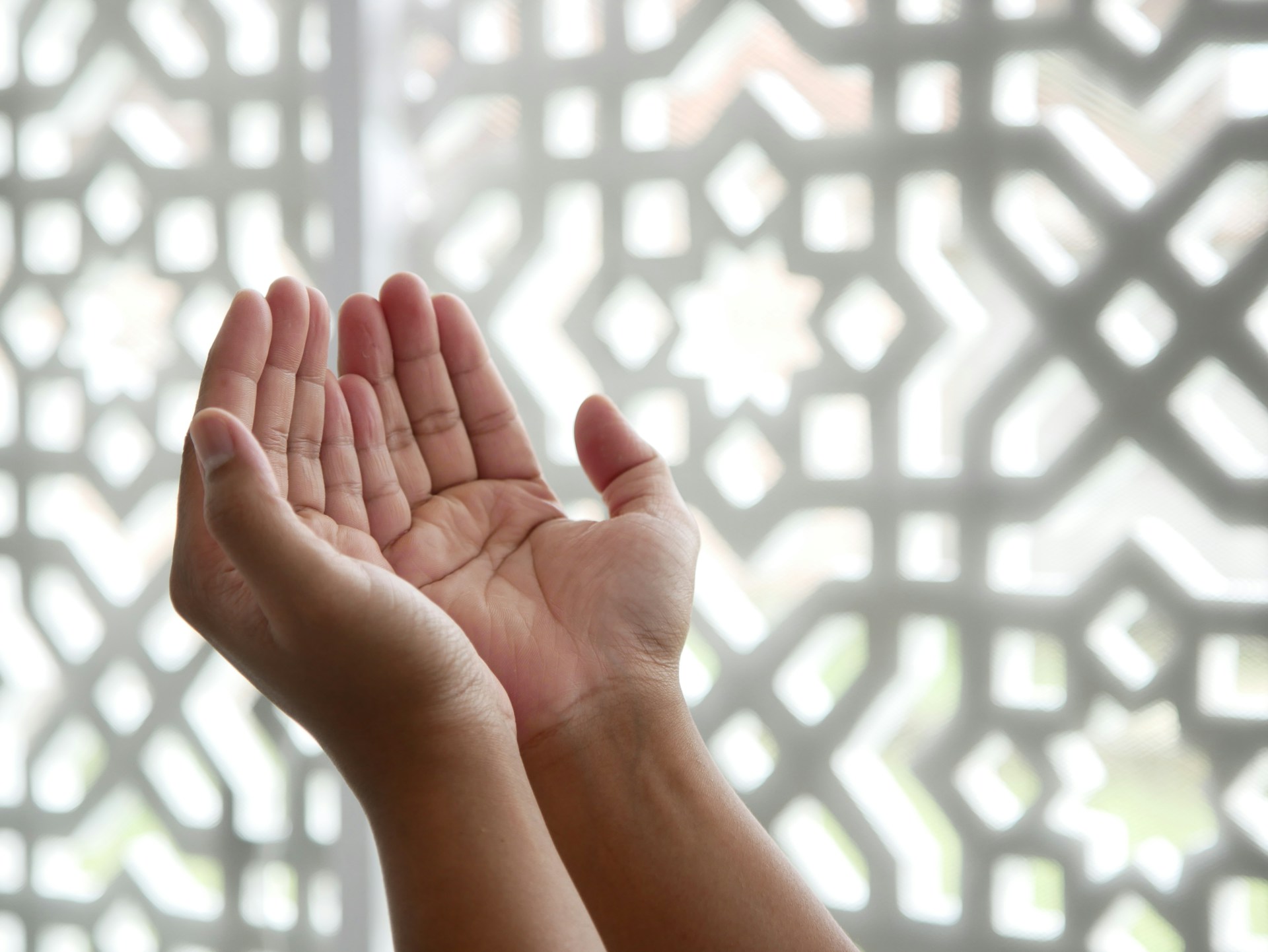
Du’a is one of the most intimate acts of worship. It is a direct conversation with Allah, one that Ramadan amplifies. The Prophet ﷺ taught that the du’a of a fasting person is not rejected. In a world filled with uncertainty and hardship, du’a becomes both a refuge and a responsibility. Ramadan reminds us to pray not only for ourselves, but for those whose voices may never be heard.
Ramadan du’a should extend beyond personal needs. Praying for the sick, the displaced, the oppressed, and those facing crisis transforms du’a into an act of solidarity and mercy. These prayers cultivate humility and remind us that faith is inseparable from concern for humanity.
5. Serving Humanity With Intention
Service to others becomes worship when done for Allah. Ramadan encourages believers to look beyond themselves and ask how they can ease the burdens of others, whether through time, skills, or advocacy. Helping humanity is not limited to grand gestures. Raising awareness, supporting humanitarian efforts, or assisting vulnerable communities are all meaningful good deeds in Ramadan when done sincerely.
>> Related Post: Top 10 Benefits of Fasting in Ramadan/Islam
Fastest & Securest Way to Pay RAMADAN Donations ONLINE👇
How Your Ramadan Giving Through SAPA Creates Lifesaving Impact
The Sudanese American Physicians Association (SAPA) enables Muslims to turn Ramadan intentions into tangible relief for communities facing crisis. Through medical care, food support, and essential services, SAPA ensures that your Zakat and Sadaqah reach those most in need. During Ramadan 2026, SAPA’s programs focus on restoring dignity and saving lives, especially for families affected by conflict and healthcare collapse.
By giving through SAPA, your charity becomes:
- Medical care for the sick
- Food for fasting families
- Support for mothers and newborns
- Hope for communities forgotten by the world
>> Support SAPA’s Ramadan 2026 campaign. Donate Now!
FAQs
1. What are the best good deeds to do in Ramadan?
Charity, feeding the fasting, Qur’an engagement, du’a, and serving humanity are among the most rewarding deeds.
2. Why are good deeds multiplied in Ramadan?
Allah multiplies rewards and grants special mercy during Ramadan.
3. Is it better to give Zakat in Ramadan?
Yes, many choose Ramadan due to increased reward and spiritual significance.
4. What should I do in Ramadan besides fasting?
Engage in prayer, charity, Qur’an reflection, du’a, and helping others.
5. How can I help people in crisis during Ramadan?
Donate to trusted humanitarian organizations like SAPA
6. Is feeding a fasting person highly rewarded?
Yes, the reward equals that of the fasting person.
7. How can I make my Ramadan more meaningful?
Focus on intention, consistency, and compassion.
8. What kind of charity is best in Ramadan?
A charity that meets urgent needs such as food and healthcare.
9. Can du’a really change outcomes?
Yes, du’a is a powerful form of worship, especially in Ramadan.
10. Where can I donate Zakat this Ramadan?
You can donateZakat Online here.