
Is Sudan a Poor Country? | Causes of Poverty & 10 Facts
 sapa
sapaSudan, a country with a rich history and cultural diversity, is often misunderstood economically. While commonly labeled as one of the world’s poorest nations, such a straightforward classification oversimplifies Sudan’s complicated economic landscape. This blog explores Sudan’s challenges, progress, and potential, providing a nuanced perspective on whether Sudan is truly a poor country.
Sudan’s Economic Landscape: Beyond the Label of Poverty
Sudan ranks among the poorest countries based on GDP per capita. According to the IMF Data, Sudan’s GDP per capita (PPP) stood at approximately $520. However, this figure masks significant disparities within the country. Urban centers like Khartoum exhibit relatively higher economic activity and infrastructural development compared to remote rural regions struggling with chronic deficiencies in basic services and infrastructure.
Sweeping conflicts in Sudan and political instability have severely hampered economic growth. The secession of South Sudan in 2011 peeled off a substantial portion of oil revenues that once fueled Sudan’s economy, exacerbating fiscal challenges.
Debunking the Myth: Is Sudan Inherently Poor?
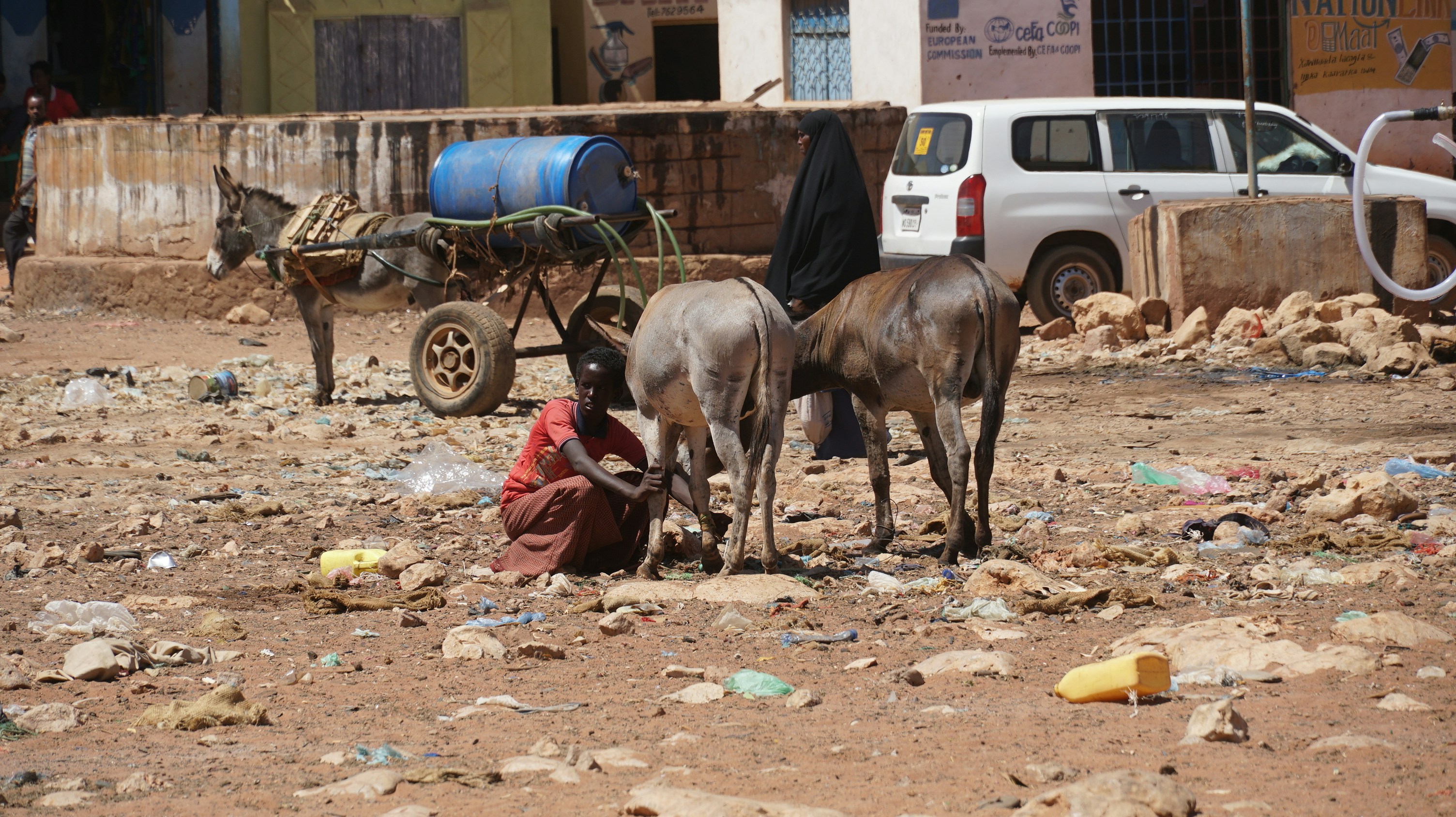
Frequently, Sudan is broadly labelled as poor without acknowledging the profound effects of war, sanctions, and governance challenges. Poverty and economic hardship in Sudan are products of these complex interwoven factors. Fortunately, international nonprofit organizations, including SAPA, through its Sudan Relief Fund, and partners are working relentlessly to mitigate these impacts by providing healthcare, nutrition, and economic support to vulnerable communities.
>> Related Post: Top 10 poorest countries in the world
DONATE NOW
Why is South Sudan So Poor? | Facts About Poverty in Sudan:
South Sudan faces a complex set of challenges contributing to its economic struggles and classification as one of the world’s poorest nations. Several factors contribute to the poverty in South Sudan:
1. Conflict and Instability:
South Sudan has experienced prolonged periods of conflict, including a decades-long civil war with Sudan and internal conflicts. The ongoing instability has hindered economic development, disrupted infrastructure, and displaced large populations.
2. Limited Infrastructure:
The country has inadequate infrastructure, including roads, schools, and healthcare facilities. The lack of basic infrastructure hampers economic activities, access to education, and healthcare services.
3. Dependency on Oil:
South Sudan heavily relies on oil exports for revenue. Fluctuations in global oil prices have a direct impact on the country’s economy. Additionally, overreliance on a single commodity makes the economy vulnerable to external shocks.
4. Political Challenges:
Political instability and governance issues have hindered effective policymaking and implementation. Corruption and mismanagement of public resources contribute to economic challenges and inhibit foreign investment.
5. Food Insecurity:
South Sudan faces recurrent food crises due to factors such as droughts, floods, and internal displacement. This has led to widespread food insecurity in Sudan and malnutrition, further exacerbating poverty.
6. Limited Access to Education:
Education plays a crucial role in breaking the cycle of poverty, but South Sudan faces challenges in providing universal access to quality education. Many children, especially in rural areas, lack access to schools and educational resources.
7. Healthcare Challenges:
The country struggles with healthcare challenges, including limited access to medical facilities, a shortage of healthcare professionals, and the impact of diseases such as malaria and cholera outbreaks in Sudan.
8. Debt Burden:
South Sudan inherited a significant debt burden from Sudan after gaining independence in 2011. Servicing these debts diverts resources that could otherwise be used for development initiatives.
9. Underdeveloped Agriculture:
Despite the country’s agricultural potential, the sector is underdeveloped. Factors such as insufficient agricultural practices, limited access to markets, climate change issues in Sudan, and challenges in land ownership contribute to the underutilization of this vital economic sector.
10. Limited Diversification:
The economy’s heavy reliance on oil makes it vulnerable to external shocks. Diversifying the economy by investing in other sectors, such as agriculture and manufacturing, is crucial for long-term sustainability.
>> Related Post: Top 10 poorest Muslim countries in the world
Poverty in Sudan: Positive Strides and Potential
1. Economic Reforms Progress
Sudan is actively implementing economic reforms designed to address longstanding structural imbalances. These reforms include modifications to fiscal policies, improving public financial management, and offering incentives to attract foreign investment. The World Bank’s Sudan Economic Update emphasizes these steps as essential for economic stabilization and future growth.
2. Rich Natural Resource Endowment
Sudan possesses abundant natural resources, including vast fertile agricultural land, extensive mineral deposits (notably gold), and a strategic position on the Nile River supporting vital water resources. Harnessing these assets effectively offers significant opportunities for economic diversification and rural development, contributing to poverty reduction.
3. Regional and Continental Collaboration
Sudan’s participation in the African Continental Free Trade Area (AfCFTA) facilitates increased trade opportunities, economic integration, and resilience-building. Such regional cooperation is vital for expanding markets, boosting exports, and driving shared infrastructure projects.
4. Humanitarian Aid and Emergency Support
Facing deep food insecurity and healthcare crises, Sudan relies heavily on international humanitarian aid. The Sudan Relief Fund, supported by organizations like SAPA, plays a critical role in providing emergency food assistance, medical care, and nutrition programs to millions affected by ongoing conflicts.
5. Investment and Development Assistance
Foreign direct investment (FDI) and development aid act as catalysts for Sudan’s economic recovery. Programs such as SAPA’s Water for Sudan initiative focus on improving water infrastructure and sanitation, foundational for community health and agricultural productivity. Investments in sectors like renewable energy, technology, and transport infrastructure are also priorities for long-term sustainable growth.
6. Impact of Conflict on Economic Vulnerability
Conflict remains the primary driver exacerbating poverty; studies project Sudan’s GDP may contract by up to 42% in 2025 if hostilities persist. This shrinkage disproportionately impacts rural farmers, small businesses, and marginalized populations, increasing unemployment and poverty rates.
7. Focus on Women and Children
Programs targeting women’s economic empowerment and child nutrition mitigate critical poverty drivers. SAPA’s health and nutrition outreach prioritizes these groups, reinforcing community resilience.
8. Education and Vocational Training
Improving educational outcomes and vocational skills equips the youth and adults with tools for sustainable livelihoods, enabling gradual poverty alleviation and economic inclusion.
Conclusion
In conclusion, the assertion that Sudan is inherently a poor country oversimplifies the intricate economic realities it faces. Historical factors, conflicts, and external pressures have shaped Sudan’s economic landscape, contributing to ongoing challenges. However, positive strides, economic reforms, and the nation’s potential for growth present a more nuanced narrative.
Understanding Sudan’s economic complexities requires acknowledging both the challenges and the opportunities. Collaborative efforts, both domestic and international, play a pivotal role in supporting Sudan’s journey toward economic stability and sustainable development.
As we navigate discussions about Sudan’s economic status, it’s crucial to approach the topic with an open mind, seeking a balanced understanding that goes beyond stereotypes. Sudan’s economic story is evolving, and the potential for positive change is inherent in its resilient people. To Donate to Sudan and make a positive impact.
FAQs
1. What natural resources contribute to Sudan’s economic potential?
Sudan possesses abundant resources, including extensive gold reserves, fertile agricultural land, oil deposits, and a strategic Nile River location. Effective management and investment can harness these assets to foster growth and diversification, despite current challenges. Exploration of these resources is critical for Sudan’s economic recovery and development.
3. How have political conflicts historically impacted Sudan’s economy?
Decades of internal conflicts, including civil wars and the 2011 secession of South Sudan, have severely damaged Sudan’s infrastructure, disrupted trade, and deterred foreign investment. These conflicts have perpetuated inequalities and stalled economic progress, as explained in analyses of the conflict in Sudan.
4. What role do economic reforms and international partnerships play in Sudan’s progress?
Sudan’s ongoing economic reforms target fiscal stabilization, attracting foreign investment, and improving the business climate. Collaborations like joining the African Continental Free Trade Area (AfCFTA) boost regional trade opportunities that could enhance resilience and growth. International development aid, including efforts from the Sudan Relief Fund, remains vital in addressing immediate needs and supporting long-term reforms.
5. Why is the economic situation in South Sudan particularly challenging?
South Sudan’s economy faces multifaceted challenges such as prolonged conflict, political instability, heavy dependence on oil exports vulnerable to price shocks, limited infrastructure, and persistent food insecurity. Healthcare and education access remain weak, fueling poverty cycles. Environmental factors, including climate change in Sudan, further strain livelihoods.
6. How significant is Sudan’s GDP contraction expected to be by 2025?
Due to ongoing conflict and humanitarian crises, Sudan’s GDP is forecasted to sharply contract, with real GDP growth projected around -0.4% according to the IMF World Economic Outlook. Inflation and unemployment have surged, deepening poverty and economic hardship nationwide.
7. What disparities exist within Sudan’s economic landscape?
Sudan’s economy is marked by sharp contrasts between relatively wealthier urban areas like Khartoum, benefiting from better infrastructure and commerce, and impoverished rural regions where access to education, healthcare, and basic services is limited. These disparities complicate poverty alleviation efforts and require targeted policy responses.
8. How can foreign direct investment and development aid support Sudan’s future growth?
Strategic investment in sectors such as agriculture, renewable energy, and infrastructure—backed by foreign direct investment and development aid—can revitalize Sudan’s economy. Programs like Water for South Sudan target vital needs and infrastructure improvements that underpin sustainable growth and poverty reduction.
9. What impact have economic sanctions had on Sudan?
Historical economic sanctions imposed by various countries constrained Sudan’s global trade and financial transactions, limiting development and foreign investment. Their gradual lifting in recent years provides new opportunities, but challenges remain in regaining international economic confidence.
10. How does Sudan’s participation in regional economic initiatives affect its development?
By engaging in the African Continental Free Trade Area (AfCFTA) and other regional agreements, Sudan aims to expand trade, attract investment, and integrate more fully into the regional economy. These efforts could boost growth, diversify exports, and enhance economic stability amid domestic challenges.