
Clean Water as a Lifeline: SAPA’s Response to Sudan’s Cholera Crisis in Khartoum, Sudan
-
by
 Waleed
 - No Comments on Clean Water as a Lifeline: SAPA’s Response to Sudan’s Cholera Crisis in Khartoum, Sudan
 Waleed
Since 2023, Sudan’s civil war has caused widespread destruction in Khartoum, tearing apart infrastructure and public health systems. This crisis has spurred a devastating cholera outbreak that has already claimed hundreds of lives and infected tens of thousands. Families returning to their homes and residents of displacement camps face the daily struggle to find safe drinking water. Understanding how this outbreak evolved, what drives its spread, and how communities and aid groups are responding is critical not only for Sudan but for the world, as it underlines how fragile health systems can collapse under conflict.
A Crisis in Numbers: The Alarming Spread of Cholera
In June 2025, the situation in Khartoum deteriorated dramatically. According to Sudan’s Health Ministry, 172 people died from cholera in one week, with over 500 new infections in a single day. In just two days, 70 lives were lost with 942 new infections and 25 deaths in one day, followed by 1,177 cases and 45 deaths the next.
Since August 2024, national figures show over 65,000 suspected cholera cases and 1,700 deaths across 12 of 18 states, with Khartoum bearing the brunt of 7,700 of those cases and 185 deaths, including more than 1,000 children under five.
These figures represent more than just statistics. They reflect communities stripped of essential services, overwhelmed healthcare systems, and a daily fight for survival.
>> Related Post: Facts About Cholera
Why Khartoum Became a Crucible for Cholera:
1. Devastated Infrastructure
The war between Sudan’s army and the RSF has destroyed power stations and water purification facilities. Drone strikes have repeatedly cut off power, causing water pumps to fail and making contaminated rivers and shallow wells the only options for many. According to aid workers, 90 percent of hospitals in key battle zones have shut down, leaving residents with barely any access to care.
2. Risky Returns
By January 2025, more than 34,000 people had returned to parts of Khartoum still marked by war. Yet their homes often lacked running water, electricity, or proper sanitation. Many find themselves collecting water from uncontrolled sources, conditions ripe for cholera spread.
3. Children Facing a Double Threat
UNICEF reports that over one million children in Khartoum are at risk from cholera and malnutrition, describing it as a “double threat” that demands immediate intervention.
4. The Looming Danger of the Rainy Season
With rains approaching, stagnant water and overcrowded conditions could fuel malaria, dengue, and cholera outbreaks. These overlapping health threats stretch aid systems too thin.
>> Related Post: UN Security Council reviews possible measures for Sudan conflict
What’s Being Done: Aid Responses on the Ground
Despite the immense challenges, international agencies and NGOs are filling critical gaps.
1. Community-Level Water Solutions
- Repair of boreholes and wells, including systems in displacement camps
- Rejuvenation of municipal water plants, such as the damaged Al Manara purification site
- Deployment of mobile chlorination units to supplement fixed infrastructure in high-risk areas
2. Water Quality Monitoring
Aid organizations conduct frequent checks for turbidity, free chlorine residuals, and E. coli levels. Findings are shared with the Ministry of Health and the WHO to target interventions effectively.
3. Vaccination Initiatives
UNICEF has administered 1.6 million oral cholera vaccines to vulnerable populations, especially in crowded urban areas and camps. Vaccines, combined with water and sanitation efforts, enhance community resilience.
4. Malaria Prevention
Recognizing the multiple health threats, 15.6 million insecticide-treated nets plus 500,000 bed nets for clinics were distributed across 14 states, aiming to reach 28 million people.
5. Nutrition and Treatment Referrals
Nutrition screenings accompany cholera hotspots. Partners such as MSF and local clinics provide treatment kits, while severe cases are referred to functioning hospitals.
>> Related Post: Empowering the Next Generation: Girls’ Education in Sudan
Help SAPA Eradicate Cholera from Sudan
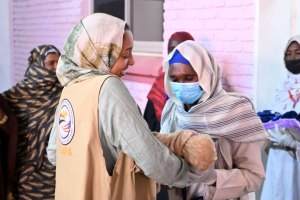
At SAPA, we are on the frontlines of this crisis, working tirelessly to provide clean water, medical care, and life-saving supplies to those in need. However, we cannot do it alone. Your donations can make a significant difference in this battle against cholera.
By supporting our “Cholera Donations for Sudan” campaign, you help us:
- Provide clean drinking water to affected communities.
- Distribute oral rehydration salts (ORS) and life-saving medical treatments.
- Fund public health awareness campaigns to educate communities on cholera prevention and hygiene practices.
- Deliver medical supplies and support health workers in the hardest-hit areas.
>> Related Post: SAPA’s Heroic Efforts: Amona’s Journey from Fear to Hope
Conclusion
Khartoum’s cholera outbreak reveals the deadly intersection of armed conflict and public health collapse. More than 65,000 cases, widespread returnee vulnerability, and crippled infrastructure have created fertile ground for disease. But even in darkness, there are signs of progress. Water treatment at home, repaired wells, mobile chlorination units, vaccination programs, and community-led initiatives are slowly pushing back against this crisis.
Every clean tap, every filtered drop of water, every health education session makes a difference. These combined efforts prove that clean water is not just a need—it’s a lifeline. Continued investment, cooperation, and determination can turn tragedy into resilience. Khartoum’s future depends on clean water and collective action.