Sudan Flooding 2025: Latest Updates on the Flood in Sudan & SAPA’s Flood Response
-
by
 mahnoor
 - No Comments on Sudan Flooding 2025: Latest Updates on the Flood in Sudan & SAPA’s Flood Response
 mahnoor
Sudan, a country rich in culture and history, has been marred by devastating floods that continue to wreak havoc on its land and people. The year 2024/2025 has been particularly challenging, with floods displacing thousands, destroying homes, and claiming lives. The heart-wrenching stories of families losing everything in a matter of hours are all too familiar. As the water levels rise, so does the urgency to act and relieve those suffering.
In times like these, the Sudanese American Physicians Association (SAPA) has stepped forward, offering hope and assistance to those in need. Their efforts, coupled with the support of compassionate individuals worldwide, are vital in reducing the impacts of these floods and helping Sudan rebuild. This blog delves into the flooding situation in Sudan in 2025, the effects of these floods, SAPA’s response, and how you can make a difference in these challenging times.
>> Related Article: Food Crisis in Sudan
Flooding in Sudan 2025
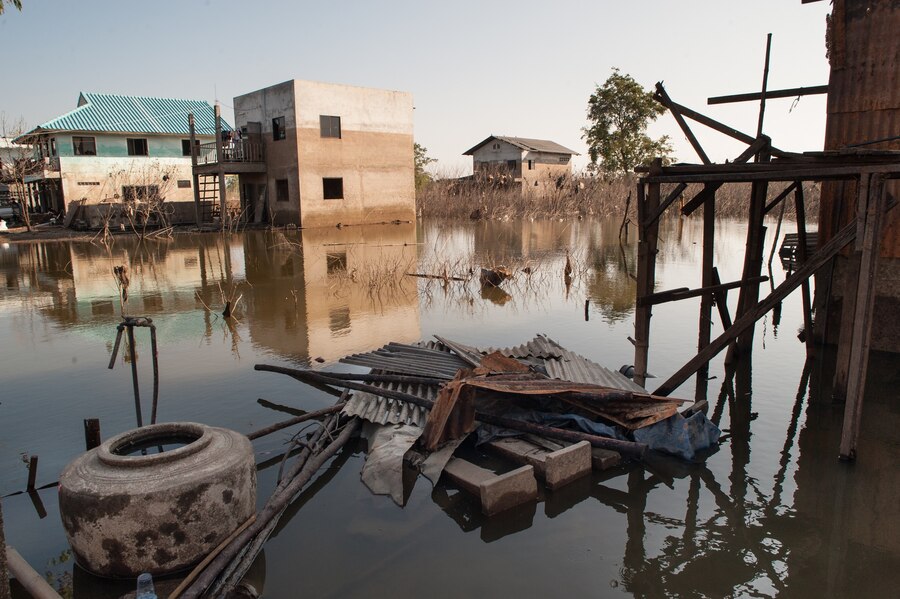
The floods in Sudan have been some of the most severe in recent history, with heavy rains leading to the overflow of the Nile and other rivers across Sudan. The relentless downpour has damaged entire villages, washed away crops, and left hundreds of thousands without shelter. According to UNICEF, over 190,000 people have been directly affected by the floods this year, with many more indirectly impacted as infrastructure collapses and essential services become scarce.
These floods are not isolated but are part of a recurring pattern exacerbated by causes of climate change in Sudan. Each year, the rainy season brings the threat of flooding. Still, the intensity and frequency of these events have been increasing, making it harder for communities to recover before the next disaster strikes. In 2024/2025, the situation has been particularly dire, with floodwaters reaching levels not seen in decades, causing widespread destruction across the country.
>> Related Article: Top Sudanese Charities to Donate to in 2025
Effects of Floods in Sudan
The effects of the floods in Sudan are devastating. Homes, schools, and hospitals have been submerged, forcing people to seek refuge on higher ground or in overcrowded shelters. The loss of property and livelihoods has sent many into poverty, as families who once relied on agriculture or small businesses now face an uncertain future. Crops have been destroyed, leading to food shortages that threaten to push the country into a more profound humanitarian crisis.
Health concerns are also rising as stagnant water becomes a breeding ground for waterborne diseases such as cholera and malaria. The water crisis in Sudan facilities exacerbates these problems, putting vulnerable populations, particularly children, at high risk. In regions where healthcare services are already stretched thin, the floods have further strained resources, making it difficult to provide adequate medical care to those in need.
The psychological toll of the floods is equally significant. The trauma of losing loved ones, homes, and livelihoods can lead to long-term mental health issues. Families are left to deal with grief, uncertainty, and the overwhelming task of rebuilding their lives from the ground up. The social fabric of communities is also at risk, as displacement separates families and disrupts traditional support networks.
>> Related Article: Sudan Climate Change: Causes, Impact in 2025
SAPA Flood Response 2025
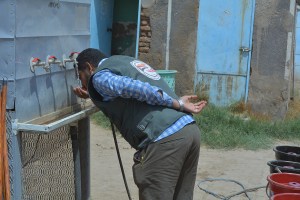
SAPA has mobilized medical teams to provide immediate care to those affected by the floods. These teams are working tirelessly to treat injuries, prevent the spread of diseases, and offer mental health support to those traumatized by the disaster. SAPA’s medical professionals are also conducting outreach programs to educate communities on hygiene practices that can prevent the outbreak of waterborne diseases.
- Emergency Relief Supplies:
Understanding the immediate needs of displaced families, SAPA has been distributing essential supplies such as food, clean water, blankets, and hygiene kits. These supplies are critical in the first few weeks after the floods, providing a lifeline to those who have lost everything. SAPA is also working to ensure that these supplies reach the most remote and hard-hit areas, where access is often challenging.
- Rehabilitation and Reconstruction:
Beyond the immediate relief efforts, SAPA is committed to the long-term recovery of flood-affected communities. This includes rebuilding homes, schools, and healthcare facilities destroyed by the floods. SAPA is also involved in restoring livelihoods by supporting local businesses and agricultural activities, helping communities get back on their feet and regain their independence.
- Advocacy and Awareness:
SAPA is focused not only on providing direct assistance but also on raising awareness about the situation in Sudan. Through its networks and platforms, SAPA is advocating for more international support and attention to the ongoing crisis in Sudan. It is also working to highlight the broader issues of climate change and its impact on vulnerable countries like Sudan, urging the global community to take action.
How Can You Help Sudan with SAPA During Such Times?
If you are moved by the misery of those affected by the floods in Sudan, there are several ways you can contribute and make a meaningful difference through SAPA:
1. Donate to Sudan Flood Appeal:
Financial contributions are one of the most direct ways to support SAPA’s online Sudan flood donation efforts. Donations help fund the purchase of emergency supplies, medical care, and reconstruction projects. Even a tiny amount can go a long way in relieving a needy family. You can donate through SAPA’s website, knowing that your contribution will be used to bring hope and healing to those affected by the floods.
2. Volunteer:
If you have the skills and the means to do so, consider volunteering with SAPA. Whether you are a medical professional, an engineer, or someone with experience in disaster relief, your expertise can be invaluable in supporting the recovery efforts. Volunteering is not only a way to give back but also an opportunity to connect with the people of Sudan and contribute to their resilience and recovery.
3. Spread Awareness:
Raising awareness about the situation in Sudan is another powerful way to help. Share information about the floods and SAPA’s response on social media, talk to your friends and family about the crisis, and encourage others to get involved. The more people are aware of the situation, the more support can be mobilized to help those in need.
4. Advocate for Change:
Advocacy is essential in addressing the root causes of the flooding crisis in Sudan. Support policies and initiatives that aim to combat climate change and strengthen the resilience of vulnerable communities. By advocating for systemic change, you can help prevent future disasters and protect those most at risk.
5. Support Long-Term Recovery:
The journey to recovery does not end with the receding of floodwaters. Long-term support is needed to help communities rebuild and thrive. Consider contributing to SAPA’s ongoing education, healthcare, and economic development projects. By supporting these initiatives, you are helping to create a brighter future for Sudan.
Conclusion
As we look towards the future, it is essential to remember past lessons. Climate change and its impact on vulnerable regions like Sudan require urgent action from the global community. By standing in solidarity with those affected by the floods and supporting efforts to build resilience, we can help prevent future disasters and create a world where no one has to suffer the devastating consequences of floods.
FAQs
1. What caused the floods in Sudan in 2024/2025?
The floods in Sudan were primarily caused by unusually heavy rainfall during the rainy season, which led to the overflow of rivers such as the Nile. Climate change has also played a role in increasing the intensity and frequency of such weather events.
2. How many people have been affected by the floods in Sudan?
Over 190,000 people have been directly affected by the floods in Sudan in 2024/2025, with many more indirectly impacted through loss of property, livelihoods, and access to essential services.
3. What is SAPA’s role in the flood response?
The Sudanese American Physicians Association (SAPA) has launched a comprehensive flood response initiative that includes providing medical assistance, distributing emergency relief supplies, supporting rehabilitation and reconstruction efforts, and raising awareness about the situation in Sudan.
4. How can I help with the flood response in Sudan?
You can help by donating to SAPA’s flood response efforts, volunteering your skills and time, spreading awareness about the situation, advocating for climate change action, and supporting long-term recovery initiatives in Sudan.
5. Why is long-term support important for flood-affected communities?
Long-term support is crucial for helping flood-affected communities rebuild their lives and regain their independence. It involves not only reconstructing homes and infrastructure but also restoring livelihoods and addressing the root causes of the disaster to prevent future crises.