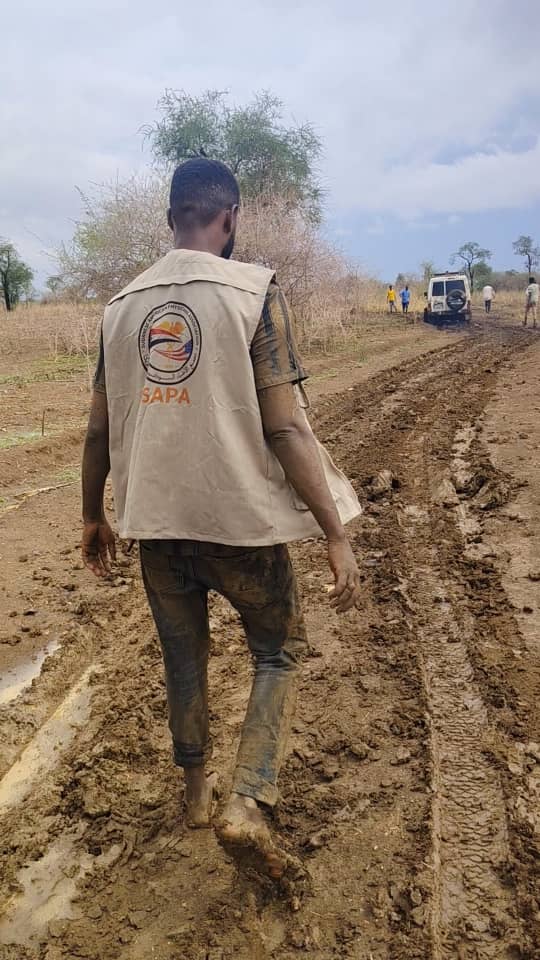
For Immediate Release
August 26, 2026
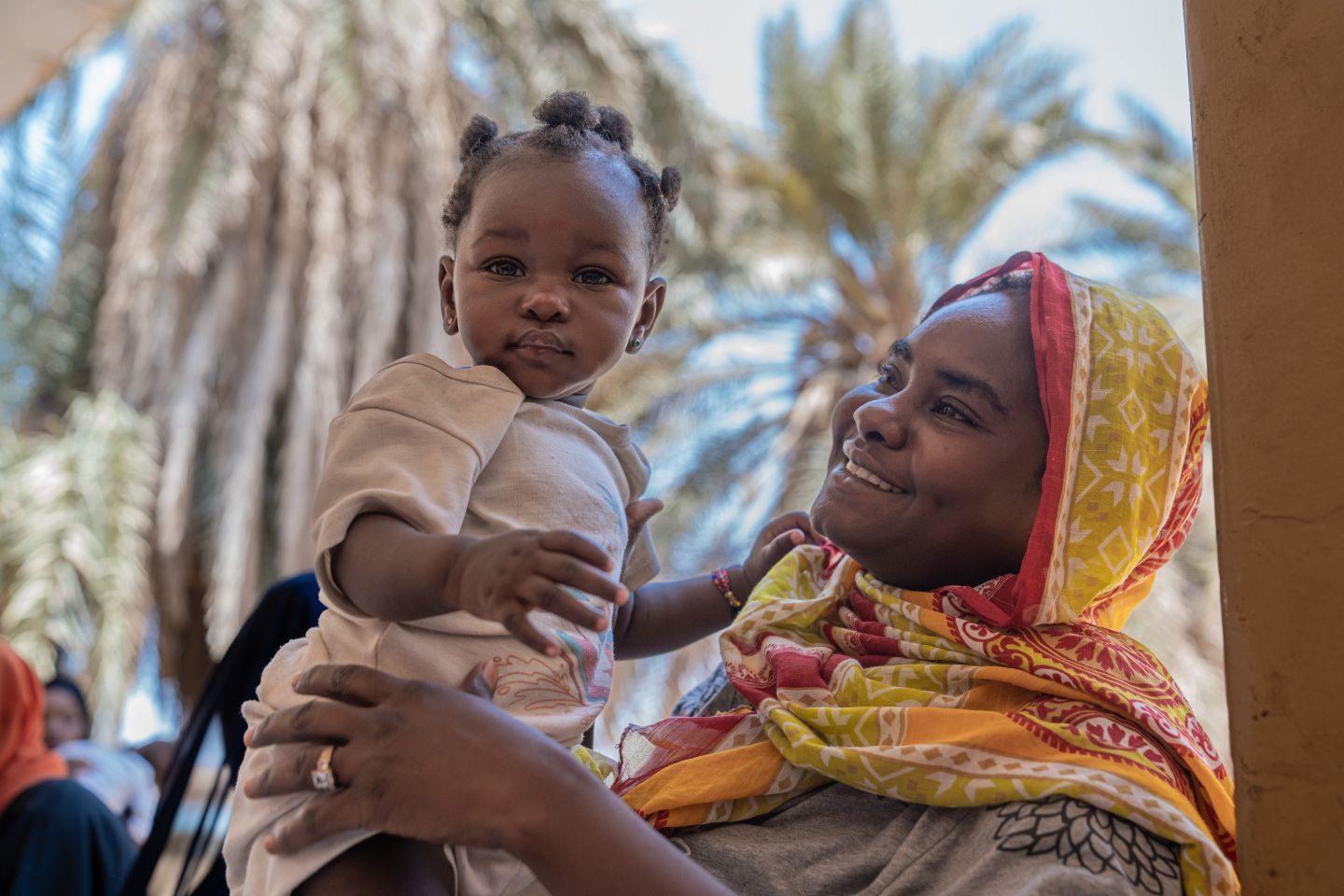
Inside a small clinic in Omdurman’s Al-Daw Hajouj community, a mother named Amani cradles one of her triplets while she waits for a routine check-up. A few years ago, she came to this same health center for antenatal care while pregnant with all three babies at once. Today, in a country where war has pushed the health system to the brink of collapse, she is back again, this time expecting another child.
Her story, and that of a young mother named Zahra a few miles away, are small but powerful proof of what happens when a local medical community and a global children’s agency decide that no crisis is too big to keep showing up for mothers and babies. That partnership, between SAPA and UNICEF, is quietly reshaping what maternal and child healthcare looks like in some of Sudan’s hardest-hit communities.
More than three years into Sudan’s conflict, the country’s health infrastructure has been pushed past its breaking point. Roughly 37 percent of health facilities across Sudan’s 18 states remain out of service in 2026, and more than 900 attacks on health care were recorded between January and August alone, killing at least 900 people and injuring over 1,400 more, at a rate of more than four attacks every single day.
For pregnant women, the consequences are especially severe. In Central Darfur’s mountain town of Golo, women in labor often travel for hours on foot or by donkey cart to reach the region’s only hospital capable of performing a C-section, and clinics are running short of oxytocin, the medication used to stop life-threatening bleeding after childbirth. Khartoum State, where Amani and Zahra live, has fared somewhat better as families return to the capital and health authorities work to reopen shuttered facilities. But rebuilding trust and routine care takes more than reopened doors. It takes sustained, community-level presence.
That is where the Share-UNICEF project comes in. Through this partnership, SAPA works alongside UNICEF to support primary health care centers like Al-Daw Hajouj PHC in Omdurman, keeping essential maternal and child health services running even as the broader system struggles. The model is simple: fund and staff neighborhood clinics so that antenatal visits, safe deliveries, routine vaccinations, and growth monitoring stay available close to home, rather than requiring families to travel to overwhelmed referral hospitals
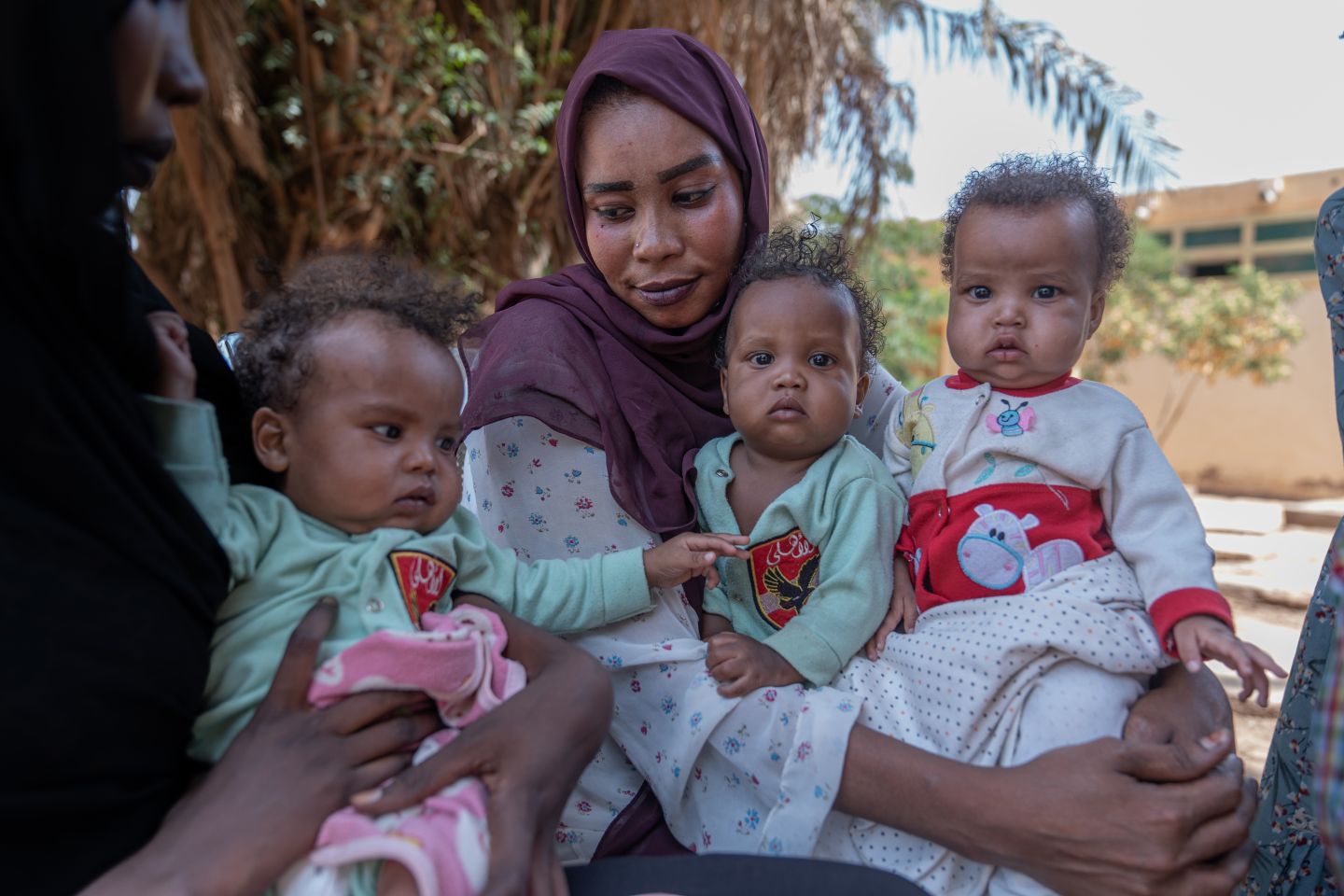
“Amani continues to prioritize antenatal care, not just as a medical visit, but as a way of giving her children, and the one still to come, the safest possible start in life.”
Amani, the mother of triplets Sanad, Saif, and Asawir, first came to Al-Daw Hajouj Health Center during her pregnancy and has continued bringing the children back for vaccinations and check-ups ever since. When the crisis intensified and many health services became difficult to reach, the center remained one of the few places she could reliably turn to.
Razan, an 11-month-old girl from Omdurman, has never known a time without the support of the center. Her mother, Zahra, 26, brings her regularly for routine vaccinations and essential care, services made possible through the SHARE program’s partnership between UNICEF and SAPA. Stories like these represent thousands of quieter, less visible moments of care happening across UNICEF- and SAPA-supported facilities: a vaccination given on schedule, a malnourished child caught early, a delivery that goes safely because a trained midwife was present.
Sudan’s maternal and child health crisis is not an abstraction. Roughly three children are born into the conflict every minute, many to displaced mothers giving birth in overcrowded shelters without electricity or basic equipment. Programs like Share-UNICEF do not solve Sudan’s health crisis on their own. But they demonstrate a model that works even amid extraordinary constraints: put trusted, community-rooted health workers in neighborhood clinics, back them with reliable supplies and UNICEF’s technical support, and keep the doors open for mothers like Amani and Zahra.
As Sudan’s 2026 humanitarian appeal remains significantly underfunded, sustaining and expanding this kind of localized, physician-led response will be critical to protecting the next generation of Sudanese children, and the mothers who are fighting to keep them healthy.
We urge donors and partners to come forward and help SAPA and UNICEF sustain this lifeline for Sudan’s mothers and children.